
What the day feels like
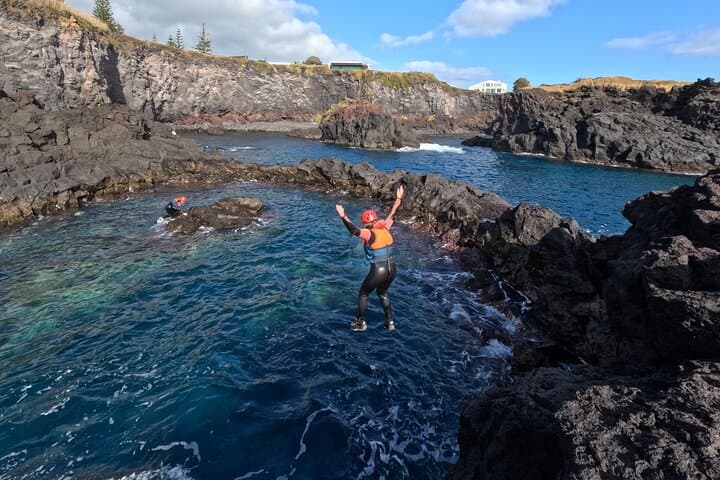
You clip into the harness not because you need it for the jump but because the basalt cliff seems to demand a formal introduction. The ocean below is the color of old coins—silver-dark where the swell folds, clearer turquoise where a hidden shelf catches sunlight—and the coastline of Caloura leans into the Atlantic with a blunt, unapologetic energy. A guide counts down. The sea dares you. You step off, feel a second of freefall, and the water swallows the noise. When you break the surface the world snaps back into focus: wind on your face, the cliff’s lip rising behind you, the group’s laughter traveling in small, buoyant arcs.
This is coasteering on São Miguel: a short, compulsively physical three-hour route of scrambling, jumping, and swimming along volcanic cliffs that keeps you close to the elements. It’s not cliff-diving for show; it’s a practical choreography with the landscape. The basalt throws a dozen small problems at your feet—ledges to edge along, caves to peer into, plunges to negotiate—while the ocean supplies the inevitable variable: swell, tide, and current. You’re constantly switching roles—climber, swimmer, spectator—because the shoreline insists you remain engaged.
The Azores sit where the tectonic plates accidently meet and argue, and the results are staggeringly visible in São Miguel’s profile. The island’s volcanic bones built the cliffs you move around today; centuries of lava flows cooled into platforms and columns that the sea has gnawed into arches and grottoes. Caloura’s coves are small laboratories in coastal geology—micro-strata of black rock, rust-red lichen, and pockets of pebble beaches where wave-sorted stones gather like a shoreline mosaic.
Culturally, the coastline has always been working coastline: a place of fishermen, boatbuilders, and people who read weather in the angle of gull wings. Today small villages keep that maritime rhythm—restaurants that smoke or grill the catch of the day, and the quiet ritual of morning coffee on a terrace that faces an ocean which has always defined the Azorean pace of life. The coasteering route threads through that human history; you pass old mooring stones and natural pools locals use long after the waves have receded.
Why do this now? For one, it’s a concentrated dose of São Miguel’s stuff—the sea, the basalt, and cliffside views—wrapped in a three-hour package that makes efficient use of island time. It’s tactile and immediate: the rope’s grain, coarse rock under hand, the taste of salt. The activity is also beginner-friendly when run by experienced operators: wetsuits, helmets, and briefing make the risk manageable even if you’ve never scrambled a cliff before. At the same time there are repeated small victories—one more jump, a narrow ledge traversed—that keep the day moving.
Practicalities matter. The Viator experience is about three hours long with instant booking confirmation, and it typically runs from the Caloura area, a 20–35 minute drive from Ponta Delgada depending on traffic. Vendors provide wetsuits, boots, helmets and instruction; bring a swimsuit, a towel, and a change of clothes. Expect water temperatures that make a good wetsuit necessary in spring and autumn and advisable through summer if you plan to be in the water repeatedly. Hydration and sun protection are simple but easy-to-overlook priorities: you’ll be working hard in wind that can dry your mouth even as it cools your skin.
Timing is part of the craft. Morning sessions often offer calmer seas and softer light; late afternoon brings long shadows and a quieter shore after tour-boat traffic thins. Guides will read tide charts and forecast swell; on days with strong currents or poor visibility they will change the route or cancel. That conservative approach is part of why coasteering here feels like a trustworthy introduction to more committed sea-based adventures.
Beyond thrill, coasteering in Caloura opens up a deeper curiosity about island life. Walk the post-activity lane toward a small family restaurant and you’ll find limpets (lapas) grilled with lemon, fresh fish grilled over charcoal, and local beers that taste of Atlantic evenings. If you have a day to spare, the island rewards longer exploration: geothermal baths in Furnas, crater lakes at Sete Cidades, and pineapple greenhouses tucked in protected valleys.
For photographers, the genre is about contrasts—black rock and bright foam, blue-green water and the orange of lifejackets. Bring a compact waterproof camera or use a solid phone housing. Frame the jump with negative space: make the cliff a large foreground mass and let the jumper puncture the horizon.
Come prepared but not overburdened. A basic level of fitness will keep the day fun—stamina for repeated short swims and the ability to move with sure-footedness on uneven rock. If you want risk, take measurable, managed risk: follow your guide, choose the jump height that suits your comfort level, and savor the long, slow moments—floating on your back, looking up at the cliffs, listening to the Atlantic breathe.
In the end, coasteering at Caloura is honest in its demands and generous in its returns. It keeps things compact but full-bodied: a taste of São Miguel’s geology, a pulse of adrenaline, and the daily rhythms of an island that still measures days in tides. You’ll leave with a few saltcrusted memories, a fresh appreciation for basalt logic, and probably a new favorite restaurant for the post-adventure meal.
Trail wisdom
Small choices, better day.
Trust the Guide
Follow instructions on jump heights and exit points—guides read tides and currents you can’t see.
Bring a Swimsuit and Quick-Dry Clothes
You’ll be wet for most of the tour; a dry change speeds comfort afterward.
Secure Valuables
Leave jewelry and loose items at your hotel; use a small waterproof pouch for keys and phones if needed.
Mind Footing on Rock
Wear wetsuit boots or grippy water shoes—the basalt is slippery when wet.
Local knowledge
Read the place, not just the route.
Watch for native species including Common bottlenose dolphin (occasionally offshore), Seabirds such as shearwaters and gulls.
Keep an eye out for wildlife during the transition between areas and habitats. Respect distance guidelines.
Coasteering operators typically follow leave-no-trace practices and guides minimize group impact on nesting birds and tidepool habitats—ask your operator about local conservation commitments.
Follow the guide's instructions on size limits, ethical handling, and leave-no-trace practices.
Natural bathing pools at Caloura (tidal pools formed in basalt). A short coastal walk to lesser-used viewpoints east of Caloura with picnic spots
Locally recommended viewpoints and quiet spots known best to local operators.
The Azorean coastline grew from repeated volcanic eruptions; small fishing communities historically relied on natural coves like Caloura for shelter and harvest.
Maritime roots and regional tradition shape the waterways and working coasts.
Seasonal guide
Four versions of the same landscape.
Spring
Best forfewer crowds · cooler water training · wildflower views from cliffs
Challengesvariable swell · cooler air and sea temperatures
Spring brings fewer tourists and vibrant coastal flora; bring a thicker wetsuit layer and expect variable sea conditions.
Summer
Best forcalmer seas · long daylight hours · warmer water
Challengesmore bookings (reserve early) · sun exposure on open rock
Summer offers the steadiest conditions and warmer water—ideal for repeat jumps—book in advance and use strong sun protection.
Fall
Best fordynamic light for photography · moderate crowds · still-warm early season seas
Challengesincreasing swell later in season · shortening daylight
Early fall can feel like an extended summer; later months bring more Atlantic swell—expect guides to adjust routes accordingly.
Winter
Best forstorm-watching from shore · fewer operators running trips · dramatic seas
Challengescold water · many operators pause services · higher cancellation risk
Winter is dramatic but often impractical for coasteering; trips may be limited to experienced groups and only on calmer windows.
Operator details
What the booking data adds.
Included
- ✓Certified guide
- ✓liability insurance
- ✓Material provided: Boots, neoprene socks, wetsuit, helmet, life jacket.
- ✓Photos and videos of the activity.
Good to know
- ✓Public transportation options are available nearby
- ✓Not recommended for travelers with spinal injuries
- ✓Not recommended for pregnant travelers
- ✓Not recommended for travelers with poor cardiovascular health
- ✓Suitable for all physical fitness levels
- ✓Desaconselhável para pessoas com pouco mobilidade física.
Pack with intention
What to bring.
Good to know
Common questions.
No prior experience is required; operators provide instruction, safety gear, and guide routes to match participant ability.
Plan the edges
The details that make the day easier.
The Azores sit near the triple junction of the African, Eurasian and North American tectonic plates—this geological setting created the islands’ dramatic volcanic coastline.
After the route, head to a waterfront tasca in Caloura for grilled limpets or fish and a local beer; Ponta Delgada offers broader dining options, and don’t miss trying Cozido das Furnas if your island schedule allows.
- Closest airport
- João Paulo II Airport (PDL) in Ponta Delgada. Driving distance: ~25–30 km
- 25–35 minutes from Ponta Delgada. Cell service
- Generally available but patchy near some coves. Permits: None typically required—operator handles access.
Respect tidepool life—avoid stepping on marine flora; pack out all trash and support operators who follow low-impact shore access practices.
Explore by topic
Follow the threads.
Keep exploring
Make the story part of the trip.
Set out from Bass Harbor for a private, customizable day on Blue Hill Bay — lighthouses, puffins, seals, and the chance to feel Acadia from the water. Small groups, local captains, unforgettable views.
In four hours you can move from shaded canyon ferns to wind-scoured coastal ridgelines, guided by someone who knows where the light—and the hidden views—live. This private half-day hike on the Monterey Peninsula or Big Sur is compact, curated, and perfect for travelers who want depth without a multiday commitment.
 Related story
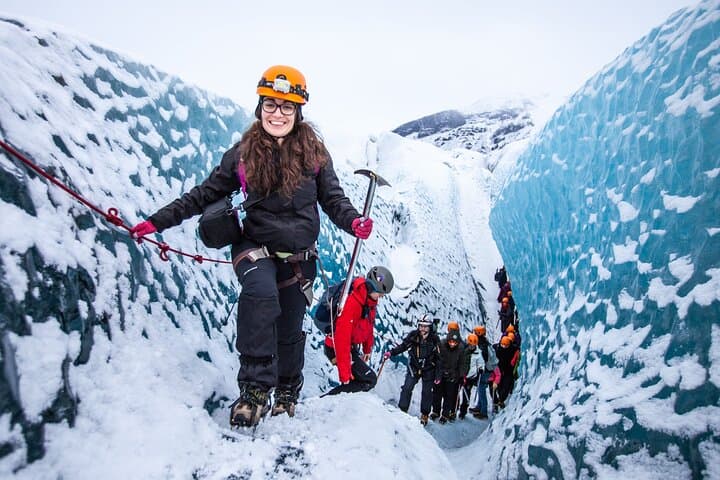
Beneath a sky of shifting light, Skaftafell’s ice reads like a map of time. This three-hour guided glacier hike mixes technical instruction with geology and culture: compact, safe, and unforgettable.