
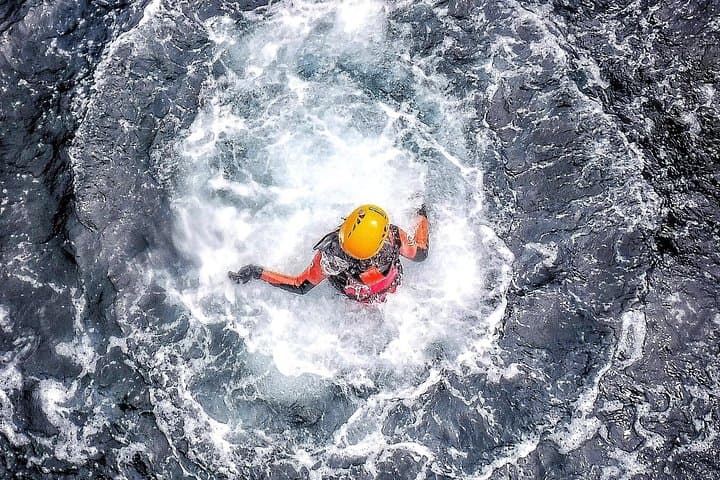
What the day feels like
You step off a ledge and for a second the Atlantic takes the lead. Salt stings your lips, the water opens up beneath you like a new room, and the cliff—dark, layered basalt that remembers lava—seems to watch, patient and indifferent. That moment of freefall is the point of coasteering in Caloura: an immediate, thrumming reminder that this island was born by fire and is still shaped by the sea. For three hours you move with the coastline—scrambling, swimming, diving, and clambering through a volcanic sculpted edge of São Miguel that refuses to be polite.
Caloura sits on the island’s south coast, a short drive from Ponta Delgada but a world away in temperament. The cove is small—whitewashed guesthouses and a backroad café—yet the cliffs that hover over it are complex: hexagonal columns, black pillows of lava, and pitted platforms where waves have chewed sea caves into arches. The Azores are the Atlantic’s hinge: volcanic islands formed where tectonic plates meet, and you feel that restlessness here. The ocean isn’t merely scenery; it’s a participant. Currents nudge you, gulls circle like punctuation, and tidal pools offer a quiet counterpoint to the louder surf.
Historically, these cliffs were as much a lifeline as a hazard. Fishing and small-scale agriculture shaped villages here long before tourism arrived. In the 15th century settlers from mainland Portugal learned to read the islands’ capricious weather and to respect the sea’s moods. Geologically, São Miguel is young and active—the basalt and tuff that make the coast so dramatic come from flows and explosions that rearranged the shoreline. That raw origin is evident on a coasteering route: you hop across lava benches, skirt the mouths of wave-cut grottoes, and peer into clear pools that reveal starfish and anemones clinging to the stones.
Culturally, Caloura still favors small-scale hospitality. Guides are local—steeped in the lore of the water—and their approach is part instructor, part storyteller. Expect a friendly briefing, wetsuits and helmets provided, and an emphasis on safety: guided landings, multiple exit points, and choices on jump heights so the experience is accessible even if you’re not a seasoned cliff diver. The activity is family-friendly in the sense that guides tailor it, but you should be comfortable in the water and ready for rugged footing.
Practically: the Viator-listed adventure is a three-hour guided coasteering trip, usually priced around $83.97 per person with instant confirmation and free cancellation. There isn’t a long hike to access the route—most groups launch from the Caloura harbor or nearby rocky benches—so the outing favors energy over endurance. You won’t be covering miles of trail; instead, the effort is in short, intense moves: a scramble up a sloping basalt, a swim across a channel, a jump off a mid-height ledge. Because you’re on the coast, weather and sea state matter; calm days let you linger in natural pools, while windier conditions may move the group to more sheltered stretches.
Safety aside, the sensory rewards are immediate. The water in spring and summer is startlingly clear; under bright light you can watch a shoal thread between rocks. The cliffs throw back light in bands and patterns—the island’s volcanic history written in layers. Guides often point out features: an old lava tube, a tidal cave where fish hide, or the low-slung terraces that once supported vegetable gardens. You’ll pass by neighborhoods where life goes on at a slower pace—a fisherman mends a net, a café owner grills fish over wood embers.
Who is this for? Casual adventurers who want a hands-on way to experience São Miguel’s coastline; families with older children who can swim and follow instruction; anyone who enjoys short, active trips that combine swimming and scrambling. It is not a technical climb. You won’t need ropes or advanced gear; you will need a reasonable comfort level in the water and the willingness to move over uneven surfaces.
How to prepare: arrive with swimwear under your clothes, wear sturdy sandals or neoprene booties if you have them, and expect to get wet. Bring a small dry bag for essentials and a camera you can seal—the views are worth the trouble, but you won’t want to risk an expensive DSLR unless it’s protected. Time your trip for morning to avoid afternoon winds and to get the best light for photography.
After the adrenaline subsides, Caloura’s quiet pleasures call. There are small restaurants within walking distance where grilled limpets, octopus, and a cold local beer feel like the perfect antidote to exertion. If you’re staying in Ponta Delgada, consider pairing the coasteering with a whale-watching morning or a visit to the volcanic lakes in Sete Cidades to round out your island experience.
In three hours you’ll leave with sand in your suit, a slightly bruised sense of accomplishment, and a clearer understanding of why the Azores are not a place you simply look at. They are a place you do, and coasteering in Caloura is as direct a way as any to make contact with the island’s elemental story: land made of cooled lava, the ocean that keeps reshaping it, and people who have learned to move between those two forces with curiosity and respect.
Trail wisdom
Small choices, better day.
Wear a snug wetsuit
Wetsuits retain body heat and protect against abrasion on basalt surfaces; guides usually supply them, but confirm sizes ahead of time.
Practice basic sea swimming
Be comfortable swimming in open water and treading in currents; the trip includes channel swims and exits that require confident water skills.
Choose morning sessions
Morning light and calmer winds make for safer jumping and clearer water for snorkeling and photos.
Secure small items
Bring a small waterproof pouch for keys and a phone; loose items can be lost during jumps or swims.
Local knowledge
Read the place, not just the route.
Watch for native species including Common dolphin, Intertidal starfish and sea anemones.
Keep an eye out for wildlife during the transition between areas and habitats. Respect distance guidelines.
This stretch of coastline is ecologically sensitive—avoid stepping on marine flora, and follow guides’ advice to protect nesting birds and tidepool life.
Follow the guide's instructions on size limits, ethical handling, and leave-no-trace practices.
Natural tidal pool near Caloura’s eastern bench (less crowded in mornings). Small family-run restaurant on the harbor serving freshly grilled limpets
Locally recommended viewpoints and quiet spots known best to local operators.
Caloura’s coastal terraces were shaped by centuries of small-scale farming and fishing; the rock formations reflect São Miguel’s volcanic eruptions and later marine erosion.
Maritime roots and regional tradition shape the waterways and working coasts.
Seasonal guide
Four versions of the same landscape.
Spring
Best forWildflowers along the coast · Cool but clear water · Smaller crowds
ChallengesUnpredictable rain · Chillier sea temperatures
Spring brings green cliffs and fewer tourists; pack an insulated base layer for the post-swim chill.
Summer
Best forWarmer water · Extended daylight · Calmer seas
ChallengesHigher visitor numbers · Stronger midday sun
Summer is prime for coasteering—more comfortable swims and reliable weather, but book ahead.
Fall
Best forMilder crowds · Good surf for photographers · Stable weather windows
ChallengesCooling water · Occasional Atlantic storms
Early fall often offers calm seas and pleasant temperatures; late-season storms can close routes.
Winter
Best forDramatic seascapes · Lower prices · Quiet coastline
ChallengesRough seas · Colder water and air
Winter trips run less frequently and conditions are more changeable—expect cancellations during storms.
Pack with intention
What to bring.
Good to know
Common questions.
No prior experience is required—guides tailor routes and offer training for jumps and exits—but you should be comfortable swimming and moving on uneven, wet rock.
Plan the edges
The details that make the day easier.
Ilhéu de Vila Franca do Campo, just off the south coast, is a collapsed volcanic crater that forms a protected natural pool and is a recognized marine reserve.
Post-trip, head to a harbor restaurant for grilled limpets (lapas) and local beer; try the daily-caught fish and a slice of Azorean pineapple tart or local queijadas; small cafés in Caloura are neighborly and often family-run.
- Closest airport
- João Paulo II (PDL) in Ponta Delgada; Driving: ~20–30 minutes from Ponta Delgada (25 km); Cell service: generally good but spotty on cliff faces; Permits: none typically required for commercial coasteering; Meeting point: Caloura harbor (confirm on booking).
This coastline supports delicate intertidal ecosystems—stay on marked exits, avoid collecting marine life, and pack out any trash to minimize impact.
Explore by topic
Follow the threads.
Keep exploring
Make the story part of the trip.
In four hours you can move from shaded canyon ferns to wind-scoured coastal ridgelines, guided by someone who knows where the light—and the hidden views—live. This private half-day hike on the Monterey Peninsula or Big Sur is compact, curated, and perfect for travelers who want depth without a multiday commitment.
 Related story
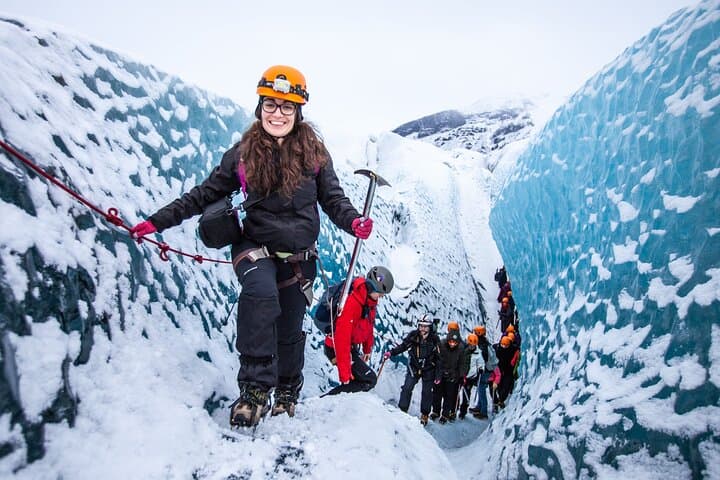
Beneath a sky of shifting light, Skaftafell’s ice reads like a map of time. This three-hour guided glacier hike mixes technical instruction with geology and culture: compact, safe, and unforgettable.
 Related story
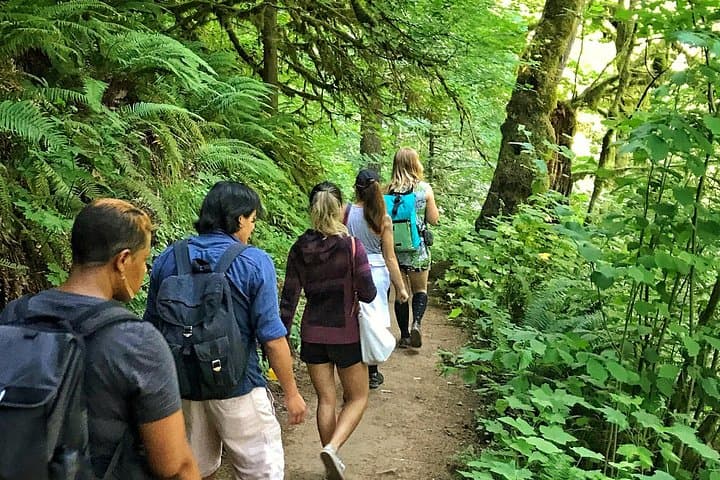
Lose the city for a few hours without leaving it: this 5-mile, 900-foot-gain Forest Park loop threads old-growth pockets, city viewpoints, and cultural landmarks for a compact taste of Portland’s wild side. Expect moss, roots, and stories.