
What the day feels like
The bus smells of warm wool and reheated coffee as it pulls away from Kiruna’s small, iron-streaked streets. Headlights cut through a sky the color of spent charcoal; above, stars prickle the black like stitches. The guide checks the weather models one more time and, with a grin that feels like permission, says we’re going to Abisko—or if the clouds beat us there, farther still. The plan for the evening is simple and impatient: drive where the sky is clear, build a fire, and wait until the aurora decides to dance.
This is not passive tourism. Lights of Vikings, the operator, frames the trip as a chase—part logistics, part luck, part long-distance commitment. They’ll drive until the forecast and the road and the windows clear in unison. For travelers who want a sure-footed approach to a mercurial phenomenon, that willingness to follow weather like a second compass is the difference between disappointed stare-and-drive nights and one you’ll tell strangers about for years.
Geology and atmosphere conspire to make northern Lapland an ideal theater. The aurora borealis is born where charged particles from the sun meet Earth’s magnetic field and spill energy into the atmosphere; up here, the geomagnetic latitude funnels those particles into luminous curtains. Abisko, an hour or so west of Kiruna, has earned a reputation for unexpectedly clear skies—a meteorological quirk locals call the “Abisko blue hole”—which gives guided teams a higher success rate than you’d expect at this latitude.
Culture and history come in small, practiced packages along the route. Guides tell stories that braid Viking lore and Sámi knowledge—how nomads read the land and sky, how reindeer routes stitched these valleys into livelihood. There’s modern history too: Kiruna is northern Sweden’s mining town, a place being literally moved to save it from the iron ore mine that created it. The hum of extraction and the quiet of the tundra coexist here, and guides often note both: you’re watching an ancient sky from a town that is itself mid-metamorphosis.
The practical elements are straightforward. The tour picks you up from your hotel in Kiruna and runs roughly four to six hours—enough time to drive, scope, set tripods, and wait. Hot drinks and a campfire are part of the offering; photographers on the team both take keepers for you (delivered within a few days) and help visitors set up their own cameras. The price sits in the realm of accessible once-in-a-lifetime experiences—currently listed from about $220—and the operator’s reviews show a remarkably high satisfaction rating, a sign that the logistical gamble pays off.
What to expect on the ground (and in the dark): the temperature will bite. Even a night with clear skies can be single digits far below zero. Gear wins the night—insulated layers, a solid down parka, thermal boots, a three-legged tripod, and spares for camera batteries. If you bring your own camera, expect hands-on help dialing in the settings that make the aurora sing on sensor: wide-angle glass, large aperture, and exposures long enough to catch movement without fattening the stars into smudges.
Timing matters. The aurora season runs broadly from late September through early April. Peak darkness—October through March—offers the best visibility, but many travelers prefer February or March, when long winter nights remain crisp and the weather can be slightly kinder. The guides’ advantage is flexibility: they chase clear windows night-to-night rather than promising a fixed view. That mobility raises success rates, especially compared with staying put and hoping for luck.
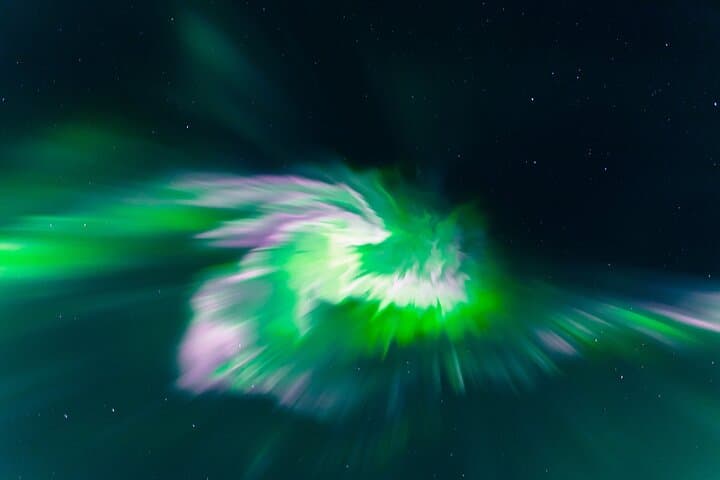
If you go: be patient. The aurora doesn’t appear on a schedule; it switches from a faint green wash to a curtain with sharp edges and then to swirling folds that seem to move in full concert with your pulse. Bring snacks and thermos, but also bring curiosity. Ask your photographer-guides about their favorite frames—the ones where a silhouette of a pine or a distant cabin made the scene human. And stay present: phone screens are predators of the moment; look up more than you look down.
Beyond the lights, Kiruna connects the night to a fuller Arctic itinerary. Daytime options include visiting the Icehotel in Jukkasjärvi, short cross-country ski outings, or joining a Sámi-led reindeer experience for a grounded counterpoint to sky-watching. When the bus returns you to town—cold, sticky with spent marshmallow, breath clouded—the best souvenir isn’t the photo (though you’ll get those), it’s the memory of how small human plans feel under a sky moving on its own terms.
Practical takeaways: plan for extreme cold even if forecasts look mild; choose a tour that offers pick-up and flexible chasing; bring camera gear and spare batteries, and accept that part of the adventure is the travel between towns and clearings. The northern lights are public art—elswhere on the planet you watch, but only here do you chase them across a landscape that feels designed for stargazing.
For travelers who want structure without stagnation, a guided, photographer-led aurora chase out of Kiruna delivers the balance: the safety of local knowledge, a high chance of success, and the kind of photographic mentoring that turns lucky snaps into images you really want to hang on a wall. If you can, give the season flexibility—book a few nights in Kiruna, let the guides work the weather, and be ready to go where the sky is willing to show off.
Trail wisdom
Small choices, better day.
Dress in layers
Temperatures can plunge fast—base layers, insulating mid-layer, and a windproof shell help you stay comfortable through long waits.
Bring a tripod and spare batteries
Cold drains camera batteries quickly; a sturdy tripod lets you shoot long exposures without blur.
Keep feet warm and dry
Insulated, waterproof boots and wool socks reduce the risk of hypothermia and let you stay outside longer.
Listen to your guide
They read local weather patterns and pick spots based on microclimates and access—follow their directions for safety and better viewing.
Local knowledge
Read the place, not just the route.
Watch for native species including Reindeer (often near roads at dusk), Ptarmigan and other tundra birds.
Keep an eye out for wildlife during the transition between areas and habitats. Respect distance guidelines.
Light pollution is low here; follow leave-no-trace practices, avoid disturbing reindeer herds, and support local guides who minimize environmental impact.
Follow the guide's instructions on size limits, ethical handling, and leave-no-trace practices.
Drive to Abisko national park viewpoints away from lights for clearer skies. Visit the Icehotel in Jukkasjärvi for daytime architecture and Sámi workshops
Locally recommended viewpoints and quiet spots known best to local operators.
Kiruna grew around a major iron-ore mine; Sámi culture and nomadic reindeer herding have shaped the region for centuries, and guides often share both ancient stories and modern mining history.
Maritime roots and regional tradition shape the waterways and working coasts.
Seasonal guide
Four versions of the same landscape.
Spring
Best forLate-season aurora · Milder temperatures · Longer twilight for mixed light photos
ChallengesUnpredictable thaw · Variable road conditions
March–April can still produce strong aurora displays with slightly warmer nights, but weather becomes less stable as spring progresses.
Summer
Best forMidnight sun experience · Hiking and lakeside activities
ChallengesNo aurora visibility due to continuous daylight · Mosquitoes in some years
June–August offers long daylight hours and no meaningful Northern Lights viewing—plan other activities instead.
Fall
Best forEarly aurora season · Crisp nights · Fewer tourists
ChallengesShorter days and unpredictable weather
September–October brings the start of dark nights and good aurora potential, but clouds and rain can be frequent.
Winter
Best forPeak aurora season · Snow-based activities · Strong night contrasts
ChallengesExtreme cold and shorter windows for clear roads
November–March offers the best odds for vivid auroras and the classic Arctic experience, though you must be prepared for frigid conditions.
Operator details
What the booking data adds.
Included
- ✓Snacks
- ✓Coffee and/or Tea
Not included
- —Dinner
Good to know
- ✓Public transportation options are available nearby
- ✓Not recommended for travelers with spinal injuries
- ✓Not recommended for pregnant travelers
- ✓Not recommended for travelers with poor cardiovascular health
- ✓Travelers should have at least a moderate level of physical fitness
- ✓We do not recommend this tour for guests younger than 15 years old.
Pack with intention
What to bring.
Good to know
Common questions.
The dark months from late September through early April offer the best chance, with peak visibility typically between November and March.
Plan the edges
The details that make the day easier.
Kiruna is being relocated because of ground subsidence from the town’s iron ore mine, a rare modern instance of moving an entire community.
After the tour, warm up with reindeer stew or fried char at a local tavern in Kiruna, or take a short drive to Jukkasjärvi for the Icehotel and Sámi cultural experiences; local breweries and cafés in Kiruna offer hearty fare and a chance to swap night-sky stories with other travelers.
- Closest airport
- Kiruna Airport (KRN). Typical drive to Abisko: ~90 km
- 1–1.5 hours. Pickup
- hotel pickup in Kiruna included. Cell service: generally good near towns, intermittent in remote viewing spots. Permits: none required for guided tours.
This region is sensitive—stay on established roads, pack out all trash, avoid disturbing wildlife and reindeer herds, and choose guides who practice low-impact operations.
Explore by topic
Follow the threads.
Keep exploring
Make the story part of the trip.
Set out from Bass Harbor for a private, customizable day on Blue Hill Bay — lighthouses, puffins, seals, and the chance to feel Acadia from the water. Small groups, local captains, unforgettable views.
In four hours you can move from shaded canyon ferns to wind-scoured coastal ridgelines, guided by someone who knows where the light—and the hidden views—live. This private half-day hike on the Monterey Peninsula or Big Sur is compact, curated, and perfect for travelers who want depth without a multiday commitment.
 Related story
Beneath a sky of shifting light, Skaftafell’s ice reads like a map of time. This three-hour guided glacier hike mixes technical instruction with geology and culture: compact, safe, and unforgettable.