
What the day feels like
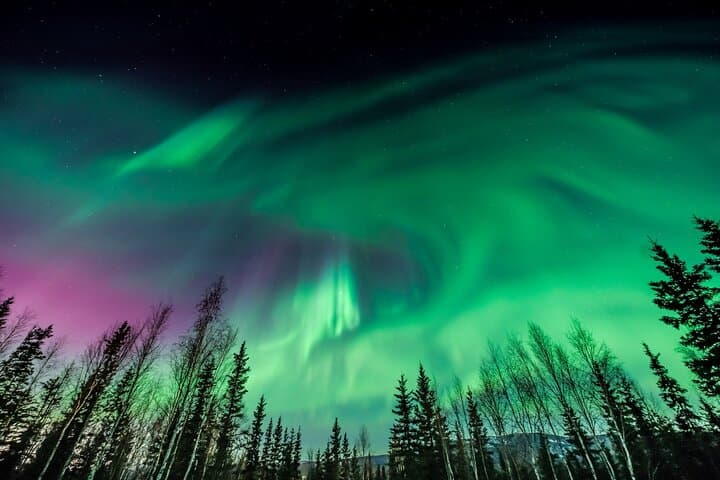
You step out of the minibus into a sky that feels impossibly large. The air is a clean, cutting cold that pulls attention to your breath and to the sweep of black above—a canvas already spangled with stars. In the distance, the lights of Reykjavík recede and the countryside opens: low lava fields, a ribbon of asphalt, and the sea like a folded sheet at the horizon. Then a faint glow ripples, folding and unfurling like a hand waving at the sky. The aurora is not polite; it arrives with its own rhythm, daring you to raise your camera and keep up. On this private Northern Lights tour from Reykjavík, you are guided into that darkness with intention—no guessing at roadside pulls, no wrestling with city light. You are given time to watch the sky work.
Iceland has long wrapped the aurora in story. The tour guide will tell you how old Icelandic sagas frame the lights as dancing elves or the shimmer of Valkyries. Those cultural threads sit beside contemporary science: particles hurled from the sun collide with Earth’s upper atmosphere and excite gases into light, producing the curtains of green, pink, and violet that sweep overhead. Both views matter. One tells you why the moment feels mythic; the other tells you why patience and timing matter.
The geology of the viewing grounds is part of the show. The country’s flat lava plains and low-lying bays give unobstructed northern horizons, and the lack of tree cover lets the aurora feel tactile. Guides read conditions—solar activity reports, cloud cover, and local weather models—and make the call for the best viewing spot on any given night. This particular experience is a private outing that includes round-trip transport from Reykjavik hotels, a flexible 4–5 hour window that maximizes your odds while keeping things straightforward for travelers who don’t want to rent a car or chase forecasts alone.
Practicality keeps you warm. Night temperatures during aurora season can dip well below freezing; layers are non-negotiable, as is a headlamp with red light to avoid destroying everyone’s night vision. Photography requires a tripod, a camera that allows manual control, and a willingness to experiment—ISO, aperture, and shutter speed are your variables. Guides routinely help with exposure settings, and their local knowledge—where the northern horizon will be clearest, when cloud breaks tend to occur—matters more than any single piece of gear.
The tour’s structure is simple and sensible. Pickup in central Reykjavík, one to two hours driving out to dark skies, time to watch, photograph, and warm up by the vehicle, and a return to town. The private nature of the tour means a flexible pace and more personalized instruction than on large commercial buses. Cost is notable: from USD 572.29, this is not a bargain-bin excursion, but you’re paying for expert timing, comfort, and the higher likelihood of a memorable viewing.
Timing your trip improves your odds. The aurora season runs broadly from late August through mid-April, with peaks around the equinoxes in September and March. Clear skies are everything: even the highest geomagnetic activity won’t produce a show if a cloud bank sits between you and the sky. That’s why tours that chase conditions give you the best chance—guides will move inland, along coastlines, and between elevations until the sky clears.
There is an environmental dimension worth noting. Travel in fragile northern landscapes should be low-impact. Tours follow established routes and respect private property. As a traveler, minimize light pollution—use red-lensed headlamps, stay on tracks, and avoid flash photography during others’ long exposures. In Iceland especially, the ground is young and vulnerable; mosses can take decades to regrow.
What you’ll actually do, beyond looking up: learn the aurora’s behavior, practice night photography, and listen to a guide stitch together folklore and science. For photographers, the practical guidance is as valuable as the display. Expect hands-on help with manual focus, exposure times (commonly 5–25 seconds), wide apertures, and the compromises between high ISO and long exposures. Batteries die faster in cold air, so rotating spares is part of the process. Even if you don’t take a single frame, the quietness of a dark Icelandic field and the slow, rolling rhythm of the lights rewires how most of us think about the night.
This tour is for people who want certainty and context. Without a car, without fluency in forecasts, and without time to stand at odd hours hoping for a show, a guided outing that reads the sky and moves accordingly is the pragmatic path to an unforgettable night. And for those who appreciate a story, the guide’s mix of saga and science connects the experience to place: these lights are both a physical phenomenon and a cultural marker.
If you go, plan for late nights, thick layers, and extra memory cards. Leave a day in Reykjavík to recover, and treat the rest of your trip to the elemental Iceland—hot springs, black-sand beaches, and simple hearty food. The aurora is the headline, but Iceland’s geology and hospitality write the rest of the evening into your memory.
Trail wisdom
Small choices, better day.
Dress in layers
Temperatures can plummet after dark—base layers, insulated mid-layer, and a windproof shell are essential.
Bring a tripod
Stabilize long exposures for sharp aurora photos—without one your shots will be blurry.
Use red light
Switch to a red-lens headlamp to preserve night vision for everyone in your group.
Rotate batteries and memory cards
Cold drains battery life; keep spares warm in inner pockets and bring extra storage for long shooting sessions.
Local knowledge
Read the place, not just the route.
Watch for native species including Arctic fox (rare in coastal areas), Various seabirds along the shoreline.
Keep an eye out for wildlife during the transition between areas and habitats. Respect distance guidelines.
Tours adhere to established roads and meeting points to protect fragile moss and lava fields; minimize light pollution and follow your guide’s low-impact instructions.
Follow the guide's instructions on size limits, ethical handling, and leave-no-trace practices.
Dark beaches near Grótta Lighthouse for quiet northern horizons. Small coastal coves outside Reykjavík where reflections amplify the aurora
Locally recommended viewpoints and quiet spots known best to local operators.
Icelandic sagas and folklore often interpret the aurora as supernatural—elven dances or Valkyries—threading cultural meaning into natural spectacle.
Maritime roots and regional tradition shape the waterways and working coasts.
Seasonal guide
Four versions of the same landscape.
Spring
Best forIncreased geomagnetic activity around equinox · Milder cold than midwinter
ChallengesUnstable weather patterns · Shorter nights later in spring
Late winter into March often produces strong auroral displays around the spring equinox, but expect variable cloud cover and fluctuating temperatures.
Summer
Best forMidnight sun prevents aurora viewing · Visit geothermal sites during long days
ChallengesAurora rarely visible due to daylight · Short nights
Summer’s midnight sun makes aurora viewing impractical; use this season for Iceland’s daylight adventures instead.
Fall
Best forClear nights as temperatures cool · High auroral activity near September equinox
ChallengesUnpredictable storms · Rapid temperature drops after sunset
Autumn offers a strong chance for displays, especially near the equinox, but storms can move in quickly—pack for wet and cold conditions.
Winter
Best forLongest nights for aurora viewing · Greater likelihood of intense displays
ChallengesSevere cold and icy roads · Potential for canceled trips in extreme weather
Winter is prime aurora season with long, dark nights—take warm gear and expect the occasional weather-related delay.
Operator details
What the booking data adds.
Included
- ✓WiFi on board
- ✓Bottled water
- ✓Air-conditioned vehicle
- ✓Professional local tour guide in Reykjavik
- ✓Pick up and drop off at your hotel
Good to know
- ✓Specialized infant seats are available
- ✓Suitable for all physical fitness levels
- ✓Disclaimer: 2 hours is the total time including travel. The specified time of 30 minutes is for viewing the Northern Lights directly
- ✓Please note that if weather conditions do not allow you to view the Aurora Northern Lights, an exhibition with a fake aurora will be offered.
Pack with intention
What to bring.
Good to know
Common questions.
The tour lasts approximately 4–5 hours, including pickup, transit to dark-sky sites, and return to Reykjavík.
Plan the edges
The details that make the day easier.
Reykjavík is the northernmost capital of a sovereign state, giving aurora chasers easy access to dark skies within a short drive.
After a night of sky watching, return to Reykjavík for late-night seafood soup or lamb stew—try Café Loki for traditional Icelandic dishes or Slippbarinn for craft beers; hot pools like Laugardalslaug are ideal for warming up the following day.
- Closest airport
- Keflavík International Airport (KEF) ~50 km from Reykjavík; Driving distance from city: 30–90 minutes depending on chosen dark-sky site; Cell service: reliable near Reykjavík, variable in remote spots; Permits: none required for public viewing; private tour includes hotel pickup.
This tour follows low-impact routes and prioritizes existing roads to protect fragile moss and lava fields—minimize light use, stay on marked paths, and pack out all waste.
Explore by topic
Follow the threads.
Keep exploring
Make the story part of the trip.
 Related story
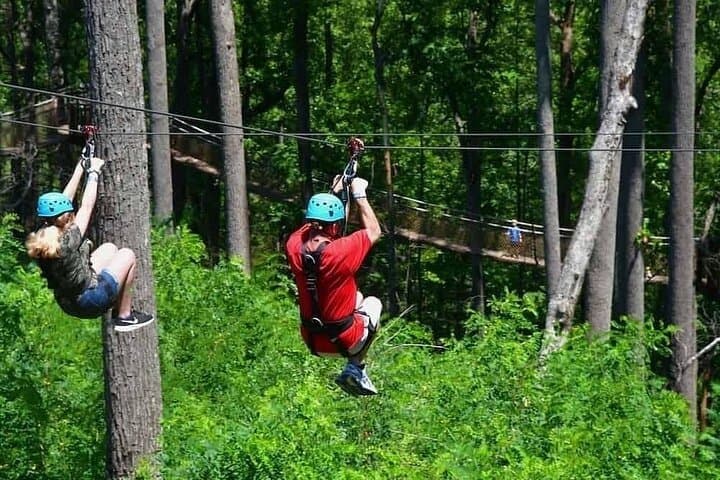
Less than two hours from Nairobi, Kereita Forest pairs hands-on canopy adventure with quiet montane trails and a sobering colonial history—perfect for families, teams, and curious travelers seeking a full-day pulse of nature.
Set out from Bass Harbor for a private, customizable day on Blue Hill Bay — lighthouses, puffins, seals, and the chance to feel Acadia from the water. Small groups, local captains, unforgettable views.
In four hours you can move from shaded canyon ferns to wind-scoured coastal ridgelines, guided by someone who knows where the light—and the hidden views—live. This private half-day hike on the Monterey Peninsula or Big Sur is compact, curated, and perfect for travelers who want depth without a multiday commitment.