
What the day feels like
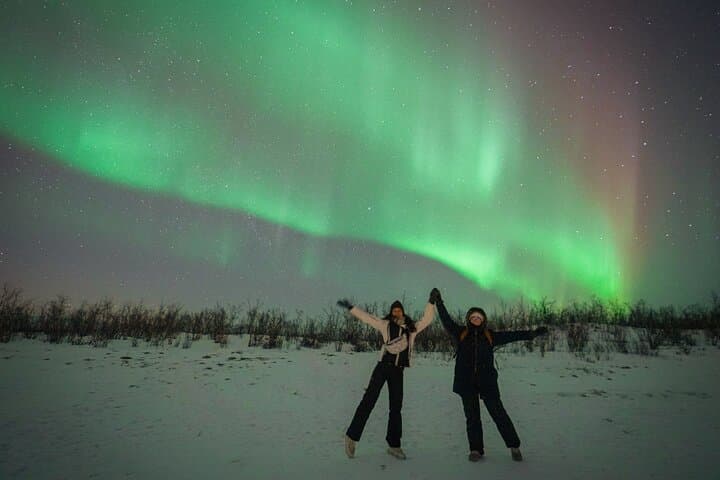
The first thing you notice is how the cold sharpens everything: snow becomes a clean, audible surface underfoot, breath crystallizes in the light of the guide’s headlamp, and the mountains around Lake Torneträsk stand like silent sentinels. Then the sky unravels. A pale green ribbon appears, then blooms—sheets, curtains, and spirals that move with a deliberate, almost teasing intelligence. In Abisko, the aurora doesn’t merely hang overhead; it performs, and for six hours you are in the best seat in the house.
Guided departures from Kiruna—where pickup is usually arranged—feel like being let in on a secret. The drive west toward Abisko widens into a landscape of black spruce and frozen lakes, a terrain that helped shape the Sámi way of life for generations. Your guide points out the geography that matters for aurora chases: ridgelines and passes that can catch clouds, the vast surface of Torneträsk that helps stabilize local weather, and the low levels of light pollution that make northern Lapland one of the planet’s most reliable places to see the lights. For the most practical booking and local-expert details, the company running this trip keeps an up-to-date page about logistics and photo support at this Chasing the Aurora tour page: <a href="https://app.advcollective.com/local-experts/chasing-the-aurora-northern-lights-tour-to-abisko-from-kiruna">Northern Lights Tour to Abisko</a>.
Abisko’s reputation isn’t idle hype. The park sits in a microclimate where the surrounding mountains and Torneträsk reduce cloud cover more often than neighboring valleys, and that clarity is part of why professional photographers and curious travelers flock here. But there’s more than meteorology. The geology is austere and handsome—ancient rock folded into ridges, glaciers having left a tidy architecture of lakes and valleys—and the cultural layer of Sami heritage and decades of Arctic exploration gives the night a human scale. Guides on this tour don’t just wait for aurora; they interpret its science and folklore, and they make photographs of your moment under the sky so you don’t have to fumble with frozen fingers in the dark.
The experience itself is pragmatic in its comfort. The tour provides thermal suits, boots, and often a thermos of hot drink—because nothing ruins a chase faster than chilled toes. You’ll be transported to multiple viewing sites chosen that evening for the best conditions; sometimes you’ll be on a frozen lake, sometimes at a quiet overlook where the alpine silhouette frames the sky. Guides will set up tripods, explain long-exposure settings, and help you get a portrait or two with the aurora as backdrop. For travelers who want a no-fuss evening with a high chance of success, that hands-on support is the difference between frostbite and wonder.
If you’re planning, here are the practical facts: the tour runs about six hours and is usually an evening-to-late-night outing. Expect pickup in Kiruna or a designated meeting point, a scenic drive into Abisko’s clearer skies, and a return late the same night. Price is competitive for the region and includes transport, winter gear, snacks, and post-tour photo delivery—so you don’t have to worry about packing every piece of cold-weather equipment. The company’s booking page lays out pickup details and confirmation options clearly—see their tour listing here: <a href="https://app.advcollective.com/local-experts/chasing-the-aurora-northern-lights-tour-to-abisko-from-kiruna">book the Northern Lights tour</a>.
Who should do this tour? It’s ideal for first-time aurora viewers and intermediate photographers who want guidance in low-light shooting. It isn’t technical mountaineering; the terrain is flat to rolling and the guides manage site selection and safety. The best nights are when geomagnetic activity aligns with clear skies—there’s never a guarantee, but Abisko stacks the odds in your favor.
A few tips to maximize your night: time your trip between late autumn and early spring for long nights; dress in layers and treat your extremities as priority; bring a small thermos to supplement what’s provided; and if photography is essential, book a tour that explicitly includes tripod support and image delivery. The tour supports both practical comfort and the thrill of the chase—your guide’s experience is returning you not just to a place with aurora potential, but to a viewpoint chosen for that night’s weather and geomagnetic forecast.
Beyond the aurora, combine the night with daytime exploration: hike short trails near Abisko Turiststation, ride the Njulla chairlift in summer, or visit the ICEHOTEL in Jukkasjärvi. Local cafés serve hearty stews and reindeer dishes—small cultural notes that turn a single night under the lights into a fuller Arctic itinerary.
For travelers who want a high-probability, low-stress aurora experience delivered by experienced guides, this Northern Lights tour to Abisko is a pragmatic and poetic choice. It’s a night of natural spectacle handled with logistics that respect the cold, the dark, and the fragile tundra you’ll cross. Bring warm gear, a sense of patience, and a camera; Abisko will do the rest. For reservations and the latest logistics and photo-policy details, visit the tour’s information page: <a href="https://app.advcollective.com/local-experts/chasing-the-aurora-northern-lights-tour-to-abisko-from-kiruna">Chasing the Aurora — Abisko tour</a>.
Trail wisdom
Small choices, better day.
Layer for Extremities
Prioritize insulated boots, warm gloves, and a windproof outer layer—your hands and feet get cold first and will limit your comfort and photo time.
Bring a Spare Battery
Cold drains camera and phone batteries quickly; carry extras in an inner pocket to keep them warm.
Trust the Guide’s Site Choice
Guides adjust locations for clouds and geomagnetic activity—follow their lead rather than trying to scout on your own at night.
Use Manual Camera Settings
For aurora photos, set manual focus, wide aperture, and 5–25 second exposures depending on activity; guides will help dial this in.
Local knowledge
Read the place, not just the route.
Watch for native species including Reindeer, Arctic fox (rare sightings).
Keep an eye out for wildlife during the transition between areas and habitats. Respect distance guidelines.
To protect fragile tundra and reduce light pollution, follow guide instructions, stay on designated paths, and avoid unnecessary use of artificial lights.
Follow the guide's instructions on size limits, ethical handling, and leave-no-trace practices.
Njulla viewpoint via chairlift for panoramic daytime views. Short sections of Kungsleden trail near Abisko for easy daylight walks
Locally recommended viewpoints and quiet spots known best to local operators.
Abisko and nearby Kiruna sit within Sápmi, the traditional territory of the Sámi people, and the region’s mountain passes and lakes have shaped seasonal reindeer herding traditions for centuries.
Maritime roots and regional tradition shape the waterways and working coasts.
Seasonal guide
Four versions of the same landscape.
Spring
Best forLate-season auroras · Longer twilight for photos
ChallengesVariable temperatures · Melting ice patches at lakes
March brings clearer skies and strong aurora chances; nights are still long but temperatures begin to moderate—still dress warmly.
Summer
Best forMidnight sun experiences · Daytime hikes in Abisko National Park
ChallengesNo aurora visibility due to continuous daylight · Limited winter gear services
Summer is beautiful for alpine hiking but not suitable for aurora viewing; consider daytime nature activities instead.
Fall
Best forEarly-season aurora hunts · Fewer tourists
ChallengesUnpredictable weather and short days · Cold nights requiring full winter clothing
September–October offers aurora opportunities as nights return, but prepare for rapid weather shifts and colder nights.
Winter
Best forPrime aurora season · Snow-covered landscapes
ChallengesSevere cold and icy roads · Short daylight hours impact travel plans
December–February provides the most consistent aurora viewing conditions with snowy scenery—expect long, cold nights and plan for winter driving.
Operator details
What the booking data adds.
Included
- ✓Warm winter clothes (winter overall, boots, hats, mittens)
- ✓Permit to operate in Abisko National Park
- ✓High-quality professional photos taken during the tour
- ✓Transportation from Camp Alta Kiruna to Abisko and back with several stops on the way
- ✓Sandwiches, warm juice and cookies
Good to know
- ✓Service animals allowed
- ✓Not recommended for travelers with spinal injuries
- ✓Travelers should have at least a moderate level of physical fitness
- ✓Participants must be in good health and prepared to spend 4+ hours in typical Arctic winter conditions (cold, snow, and wind), with the ability to walk and hike on uneven, snowy, slippery terrain at night. All guests are required to inform the organizer of any pre-existing medical conditions to ensure appropriate assistance can be provided in case of an emergency.
- ✓By joining this tour, participants acknowledge the inherent risks of the activity, including but not limited to, adverse weather conditions, hiking on slippery terrain, and being outdoors in extreme cold. Participants understand that they are joining the tour at their own risk. The organizer is not liable for any accidents or damages (including injury or death) that occur during the tour. We strongly recommend having travel insurance for your participation in this tour.
Pack with intention
What to bring.
Good to know
Common questions.
Abisko’s microclimate and the tour’s multiple viewing-site strategy give a high probability, but auroras depend on solar activity and clear skies, so sightings can’t be guaranteed.
Plan the edges
The details that make the day easier.
Abisko is noted for having comparatively fewer cloudy nights than nearby areas thanks to a local microclimate influenced by surrounding mountains and Lake Torneträsk, making it one of the more reliable locations for aurora viewing.
After the tour, warm up with reindeer stew or Arctic char in Kiruna’s cozy restaurants—Camp Ripan’s kitchen and local cafés offer hearty fare; combine your night with a visit to the ICEHOTEL in Jukkasjärvi for a memorable Arctic cultural stop.
- trailhead
- Kiruna Airport (KRN)
- Abisko Turiststation. Driving distance
- ~100 km (1–1.5 hours) from Kiruna. Cell service: Good in towns, spotty at remote viewpoints. Permits
- passes
- No special permits required for the tour; dress for winter conditions.
This area is sensitive tundra—stick to trails, pack out waste, minimize light use, and respect wildlife and reindeer herding areas to reduce impact.
Explore by topic
Follow the threads.
Keep exploring
Make the story part of the trip.
Set out from Bass Harbor for a private, customizable day on Blue Hill Bay — lighthouses, puffins, seals, and the chance to feel Acadia from the water. Small groups, local captains, unforgettable views.
In four hours you can move from shaded canyon ferns to wind-scoured coastal ridgelines, guided by someone who knows where the light—and the hidden views—live. This private half-day hike on the Monterey Peninsula or Big Sur is compact, curated, and perfect for travelers who want depth without a multiday commitment.
 Related story
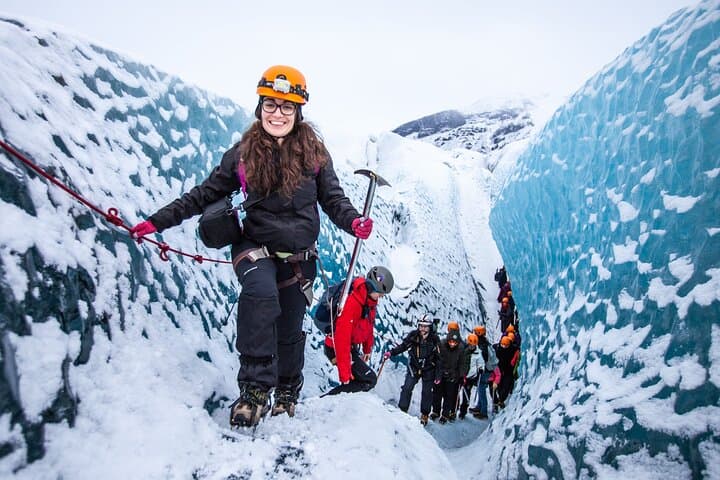
Beneath a sky of shifting light, Skaftafell’s ice reads like a map of time. This three-hour guided glacier hike mixes technical instruction with geology and culture: compact, safe, and unforgettable.