
What the day feels like
You pull the collar of your parka up against a wind that smells faintly of pine and cold metal, and the van hums away from the sodium glow of Rovaniemi. The road unspools into a black ribbon, and the driver—your guide for the night—taps the dashboard, eyes on a live aurora forecast. It’s a small ritual: check the clouds, read the geomagnetic index, then point the vehicle at wherever the sky looks clearest. Out here, the land feels like a sleeping thing; the birches and bogs are patient, waiting to be awakened by light.
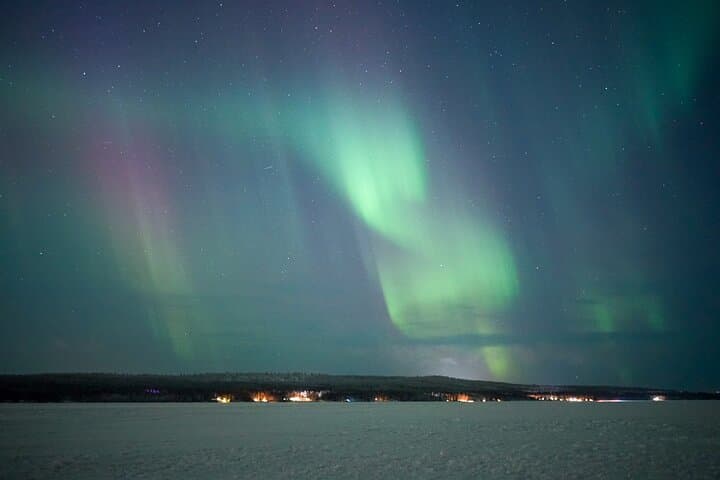
The tour sells itself on two promises: the chase and the craft. You will chase the aurora across as much as 250 kilometers of Lapland’s winter silence, and you will learn how to photograph it with professional gear. A Sony full-frame camera and tripods are waiting in the van, but the real lesson arrives when you’ve warmed your hands on the thermos during a roadside stop and the first green ribbons unfurl across the horizon. The guides coach you through manual settings, composition, and the patience of long exposures—when to open your aperture, how to temper ISO, and how a ten-second shutter can make the sky feel tactile.
Lapland is a place where history and atmosphere fold together. Rovaniemi sits at the edge of the Arctic Circle and has long been a hinge between Sámi reindeer herding traditions and touring modernity. The landscape itself is young in geological terms—glacial sculpting left behind drumlins, peatlands, and open lakes that reflect the night. During the Second World War the region was contested ground; today the scars are gone but the stories remain, told quietly in small museums and by local guides who grew up in snow.
There’s a cultural rhythm to northern night-chasing. Finns understand that darkness is not an absence but a season: a time for saunas, for dark-sky reverence, for austere meals that keep you moving—thick soups, dark bread, smoked fish, and reindeer. On this tour, hot beverages and snacks are practical comforts and cultural notes; they reframe waiting as communal, a shared warmth against a sky that dares you to keep watching.
Practically, this is a smart option for photographers who want guidance without committing to multi-night field camps. The tour runs 4–6 hours, the itinerary flexing with weather: the guides monitor cloud cover and aurora forecasts continuously and will move you to several prime viewing sites. Heated vehicles keep fingers from freezing between frames, and the promise of a refund if weather cancels the night is reassurance that this chase respects safety and comfort.
Expect terrain that is primarily roadside and easy-to-reach pullouts—no deep backcountry treks—though you may traverse short, snow-packed paths to reach better viewpoints. The van can cover long distances in one night, which means you might drive an hour or two to escape light pollution. With the professional gear provided, this tour is ideal for travelers who want to learn practical night-photography techniques: manual exposure, how to find foreground interest in a silhouette, and how to balance auroral detail with cold-weather battery realities.
There is humility embedded in aurora-watching: you can plan and prepare, but you cannot control the sky. That unpredictability is part of the appeal. Guides frame the experience around what you can influence—composition, camera settings, warm layers—and they build a workflow so you spend less time fumbling and more time shooting. For families and mixed-ability groups, the tour’s structure—short stops, hot drinks, heated transit—keeps it accessible without diluting the intensity of being under a live aurora.
If you’re going to book, time your visit for clear-sky months. Winter gives you long nights and high chances of viewing; March is a dependable window when temperatures can be marginally more forgiving and the auroral season still strong. Bring charged batteries and a small tripod-friendly attitude: even with pro gear provided, owning your memory card, extra batteries, and simple basics will make the night smoother.
Beyond the photography, staying a night in Rovaniemi invites other regional encounters. Visit the Arktikum museum to understand Arctic life and Sámi history, and try a short sled ride or local smokehouse fare the day before your chase. After a night outside, warm up with a sauna and a plate of sautéed reindeer at a local tavern—the kind of understated, hearty meal that makes the cold feel like effort well spent.
This tour is not about conquering the sky; it’s about learning to read it and, when the aurora performs, recognizing that the best photos are the ones that remember the people and the place beneath the light. You come for the green curtains, but you leave with a sharper eye, a battered memory card, and a sense of how patient landscapes reward watching.
Why travelers should go: it’s a compact way to couple expert instruction with flexible, comfort-minded night-chasing. Whether you’re an aspiring photographer or a curious traveler, this tour reduces the friction of aurora hunting—gear, transport, and hot coffee—so you can focus on the one thing that matters most: being outside when the sky decides to dance.
Trail wisdom
Small choices, better day.
Charge and Bring Extra Batteries
Cold drains batteries quickly—carry at least two spares in an inner pocket to keep them warm.
Dress for 3-Degree Layers
Wear moisture-wicking base layers, insulated mid-layers, and a windproof parka; toes and hands need extra protection.
Use a Sturdy Tripod
Tripod-provided setups are available, but if you have your own, bring it for faster setup and familiar stability.
Keep Expectations Flexible
Guides chase conditions; be ready to move between sites and to spend time waiting for optimum displays.
Local knowledge
Read the place, not just the route.
Watch for native species including Reindeer, Snowy owls (seasonal).
Keep an eye out for wildlife during the transition between areas and habitats. Respect distance guidelines.
Respect dark-sky practices: minimize flashlight use, avoid vehicle off-roading, and pack out all trash to protect the fragile Arctic environment.
Follow the guide's instructions on size limits, ethical handling, and leave-no-trace practices.
Ounasvaara hill for panoramic day or twilight views. Arktikum for Arctic natural history and Sámi culture exhibits
Locally recommended viewpoints and quiet spots known best to local operators.
Rovaniemi sits near the Arctic Circle and has been a crossroads for Sámi culture and post-war reconstruction; the town was largely rebuilt after WWII.
Maritime roots and regional tradition shape the waterways and working coasts.
Seasonal guide
Four versions of the same landscape.
Spring
Best forLonger daylight for other activities · Still-good aurora chances in early months
ChallengesUnpredictable weather shifts · Variable snow conditions
Late winter to early spring offers lingering aurora nights with slightly warmer temperatures—good for pairing with daytime excursions.
Summer
Best forMidnight sun photography (not aurora) · Long daytime activities
ChallengesNo dark skies for aurora · Tour not available
Summer in Lapland brings the midnight sun; aurora tours do not operate because nights are too bright.
Fall
Best forAurora season kickoff · Fewer tourists
ChallengesEarly season cloud cover · Unstable road conditions
Autumn can offer strong geomagnetic activity, but cloud cover is common—flexibility is crucial.
Winter
Best forPeak aurora viewing · Snow-covered landscapes for foreground interest
ChallengesVery low temperatures · Long nights require stamina
Winter is prime season—long, dark nights and strong auroral activity make this the optimal time for the tour.
Operator details
What the booking data adds.
Included
- ✓Bottled water
- ✓Photos
- ✓Professional camera Sony
- ✓Glogi
Not included
- —Winter overalls
Good to know
- ✓Suitable for all physical fitness levels
Pack with intention
What to bring.
Good to know
Common questions.
Yes—professional full-frame cameras and tripods are available, though bringing your own memory cards and spare batteries is recommended.
Plan the edges
The details that make the day easier.
Rovaniemi lies on the Arctic Circle and is officially marketed as the 'hometown of Santa Claus'; the aurora borealis is produced by solar wind particles colliding with Earth’s magnetic field and atmosphere.
After the tour, warm up with local flavors: try sautéed reindeer or salmon at a cozy tavern in Rovaniemi, visit a traditional sauna to thaw, and stop by a small brewery or café for thick coffee and Finnish pastries.
- Closest airport
- Rovaniemi Airport (RVN); typical departure: Rovaniemi city center; driving distances: up to 250 km nightly; cell service: reliable in town, intermittent in remote viewing sites; permits: none required for the photography stops
Minimize light pollution and avoid driving off designated roads; pack out all waste and follow local guidelines to protect tundra and wildlife habitats.
Explore by topic
Follow the threads.
Keep exploring
Make the story part of the trip.
Set out from Bass Harbor for a private, customizable day on Blue Hill Bay — lighthouses, puffins, seals, and the chance to feel Acadia from the water. Small groups, local captains, unforgettable views.
In four hours you can move from shaded canyon ferns to wind-scoured coastal ridgelines, guided by someone who knows where the light—and the hidden views—live. This private half-day hike on the Monterey Peninsula or Big Sur is compact, curated, and perfect for travelers who want depth without a multiday commitment.
 Related story
Beneath a sky of shifting light, Skaftafell’s ice reads like a map of time. This three-hour guided glacier hike mixes technical instruction with geology and culture: compact, safe, and unforgettable.