
What the day feels like
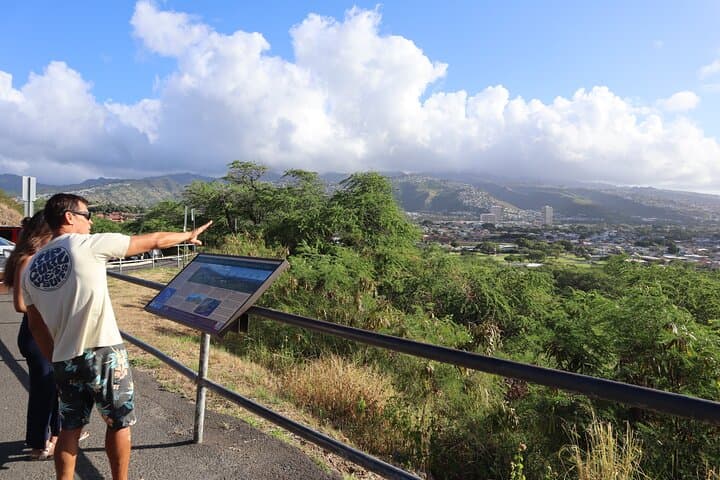
By midmorning the van pulls off a ribbon of highway and the island opens the way you felt it would—green ridgelines folding into sugar-white sand and a Pacific so bright it seems to press against the horizon. Shane, the guide who grew up here, points to a low bluff where surfers bob like black commas in the swell and tells a story about learning to read the ocean the same way other kids read textbooks. That mix—local knowledge pressed into muscle memory—frames the whole day: this isn’t a checklist of selfie-ready stops; it’s an active, island-shaped education, ten hours of surf, hikes, lookouts, and food that explains why Oʻahu feels both famously scenic and quietly domestic.
The tour chains together southeast Oʻahu’s most compact and characterful slices: Hanauma Bay’s living reef, the wind-swept Makapuʻu Lookout, the dramatic Halona Blowhole, and stretches of sand where honu (green sea turtles) often haul out. Each stop is a different geological paragraph in the island’s story. The tuff cone that makes Hanauma Bay was formed in a single explosive eruption tens of thousands of years ago; the lighthouse at Makapuʻu perches on basalt that recorded a much older, shield-building era. Walking these places means reading lava and ash, then stepping straight into tropical turquoise.
There is history here, too—deeply human. Southeast Oʻahu has long been a place of fishing and canoe building, with wahi pana (storied places) that shaped local families for generations. Shane weaves that context into the day; he’ll show you where ancient trails climbed ridgelines, and point out endemic plants and traditional uses along the path. The cultural layer—simple, respectful, often funny—keeps the tour rooted. When you pause to snorkel Hanauma’s shallows, you’re not merely swimming: you’re entering a marine preserve that islanders and scientists have worked hard to protect.
Physically the day is lively but accessible. Expect a mix of short, steep viewpoints and easy shoreline strolls. Makapuʻu Lighthouse Trail is a paved 2-mile round trip with roughly 400–500 feet of elevation gain—enough to get your heart beating and reward you with the kind of panoramic ocean views that make the Pacific feel infinite. Snorkel sessions are gentle by design; guides choose sheltered coves based on conditions. Surf segments favor friendly breaks and include basic coaching, so even beginners can get a taste of standing up and riding a green wall of water.
Why book a private tour rather than do it yourself? Two reasons: timing and curation. Shane times stops to catch light and tide—early glassy surf, snorkeling before crowds swell, and lookout light that flatters the coastline. And because it’s private, the rhythm of the day bends around your ability and interests; if you want an extra surf lesson or to linger at a remote beach, the itinerary flexes.
Practical details matter. The tour runs 8–10 hours and often includes park admissions (Hanauma Bay requires an entry reservation and a modest fee)—plan for sun, salt, and sand in your gear. Reef-safe sunscreen is non-negotiable; the coral reefs here are living, delicate systems. Hydration is key: Oʻahu’s sun can flatten energy fast, especially when you’re moving between wind-slashed lookouts and humid gulches.
For photographers, the day is a dream and a challenge—contrasts are high, the midday sun is merciless, and surf action is bright and fast. Sunrise and early morning offer soft light; Makapuʻu and Halona are best in the morning for clear ocean visibility. Bring a waterproof case if you plan to snorkel and protect your gear from spray.
The rhythm of the shore teaches patience. Turtles pop up like punctuation; a quiet half-hour on the sand can be more rewarding than a rushed checklist. And the food—part of the experience—keeps things honest: think plate lunches or shrimp trucks near Waimanalo, poke bowls that taste of the ocean, and shaved ice when you need immediacy and sugar. Shane often folds in a local joint for lunch, which is half the point—this is island travel where people and place taste the same.
Who is this for? Active travelers who want variety in a single day: beach time, a manageable hike, easy surf lessons, snorkel swims, and cultural context. Families with older kids, couples who want a private pace, or solo travelers craving local conversation all fit. It’s not a mountaineering expedition, nor is it a lazy beach day—expect to move, learn, and come home sun-kissed and satisfied.
If you go, arrive curious and prepared. Learn a few Hawaiian words; ask about the coastline’s names and the plants that cling to the slopes. Leave no trace—this coast is loved and guarded by people who’ve called it home for generations. The last moment of the day often feels like the first: another glance back at the reef, one more breath of salt air, and a sense you’ve spent your time well in a place that still rewards attention.
Practical snapshot: the tour is about 8–10 hours, starts in the Honolulu area, runs year-round but favors mornings for snorkeling and surf, and often includes Shane’s local knowledge and park admissions. It’s the kind of curated day that still allows for discovery—the best possible compromise between itinerary and improvisation on a small, brilliantly diverse island.
Trail wisdom
Small choices, better day.
Reserve Hanauma Bay in advance
Hanauma Bay requires reservations and an entry fee—book early to secure your snorkel window.
Use reef-safe sunscreen
Protect coral by choosing reef-safe sunscreen and applying it at least 15 minutes before entering the water.
Start early for calmer seas
Morning light and lower winds make for better snorkel visibility and gentler surf lessons.
Bring a dry bag
A small dry bag keeps phones, keys, and snacks safe between shore stops and water sessions.
Local knowledge
Read the place, not just the route.
Watch for native species including Green sea turtles (honu), Tropical reef fish (e.g., parrotfish, surgeonfish).
Keep an eye out for wildlife during the transition between areas and habitats. Respect distance guidelines.
Hanauma Bay is a managed Marine Life Conservation District—visitors should follow reef etiquette and stay out of closed areas to protect coral and marine life.
Follow the guide's instructions on size limits, ethical handling, and leave-no-trace practices.
Makapuʻu tide pools below the lookout (at low tide). Less-visited Waimanalo Beach access points for quieter sand and local shrimp trucks
Locally recommended viewpoints and quiet spots known best to local operators.
Southeast Oʻahu contains wahi pana (storied places) important to Native Hawaiian communities; many headlands and bays were used historically for fishing and canoe landings.
Maritime roots and regional tradition shape the waterways and working coasts.
Seasonal guide
Four versions of the same landscape.
Spring
Best forCalm waters for snorkeling · Fewer crowds than peak winter · Pleasant temperatures
ChallengesOccasional rain showers · Variable swell for surf
Spring balances lower visitor numbers with generally calm ocean conditions—ideal for snorkeling and multi-stop days.
Summer
Best forWarmest water temps · Long daylight hours
ChallengesHigher humidity · More tourists in July–August
Summer offers the warmest swim conditions and extended daylight, but plan for crowds at popular beaches.
Fall
Best forStable trade winds · Good surf at select breaks
ChallengesHurricane season far offshore can bring swells · Occasional heavy rain
Fall can produce consistent trade winds and good surf; watch local forecasts for offshore swell patterns.
Winter
Best forBigger swell—spectacular surf viewing · Dramatic ocean conditions
ChallengesLarge surf can close beaches · Stronger currents and rip risk
Winter brings larger ocean swells—great for watching big surf but potentially restrictive for snorkeling and beginner surfing.
Operator details
What the booking data adds.
Included
- ✓Air-conditioned vehicle
Not included
- —Alcoholic Beverages
Good to know
- ✓Wheelchair accessible
- ✓Infants and small children can ride in a pram or stroller
- ✓Service animals allowed
- ✓Public transportation options are available nearby
- ✓Infants are required to sit on an adult’s lap
- ✓All areas and surfaces are wheelchair accessible
- ✓Not recommended for travelers with spinal injuries
- ✓Not recommended for travelers with poor cardiovascular health
- ✓Travelers should have at least a moderate level of physical fitness
Pack with intention
What to bring.
Good to know
Common questions.
Basic swimming ability is recommended for snorkeling and surf lessons; the guide provides flotation aids and stays close to groups.
Plan the edges
The details that make the day easier.
Hanauma Bay is a volcanic tuff cone created by a single eruption roughly 32,000 years ago and today serves as a protected marine life conservation area.
After the day’s exploration, head to nearby Waimanalo or Kailua for local flavors—think poke bowls, plate lunches, and roadside shrimp or fish trucks; small cafés in Kailua serve refreshing shaved ice and strong Kona coffee to recharge.
- Closest airport
- Daniel K. Inouye Int'l (HNL); Typical driving to trailheads: 20–50 minutes from Honolulu; Cell service: generally good near towns, intermittent at remote coves; Permits
- passes
- Hanauma Bay requires advance reservation and entry fee; check local regulations for protected areas.
Use reef-safe sunscreen, avoid stepping on coral, keep a respectful distance from resting turtles, and pack out all trash—these simple actions help preserve fragile marine ecosystems.
Explore by topic
Follow the threads.
Keep exploring
Make the story part of the trip.
Set out from Bass Harbor for a private, customizable day on Blue Hill Bay — lighthouses, puffins, seals, and the chance to feel Acadia from the water. Small groups, local captains, unforgettable views.
In four hours you can move from shaded canyon ferns to wind-scoured coastal ridgelines, guided by someone who knows where the light—and the hidden views—live. This private half-day hike on the Monterey Peninsula or Big Sur is compact, curated, and perfect for travelers who want depth without a multiday commitment.
 Related story
Beneath a sky of shifting light, Skaftafell’s ice reads like a map of time. This three-hour guided glacier hike mixes technical instruction with geology and culture: compact, safe, and unforgettable.