
What the day feels like
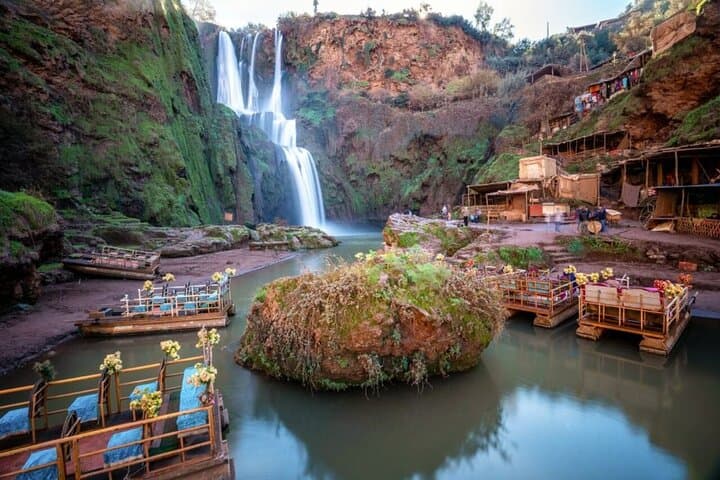
You come over the last ridge and the valley opens like a score being played: olive terraces, narrow roads, and the river that has already started whispering, then conspiring, then roaring. Ouzoud announces itself not with a single theatrical drop but with a sequence of curtains — seven distinct steps of water tumbling from roughly 110 meters — that push sunlight into spray and send gulls wheeling in the wake. The first sight is immediate and generous, a plunging wall framed by palms and centuries of terraced olives. It feels like a place that has earned its loudness. You find a flat rock and let the river dare you to stand still. You don't.
This is the rhythm of an Ouzoud day trip from Marrakech: a long morning drive through the High Atlas foothills, a simmering lunch in a village café, and then a walk that rewards curiosity with hidden plunge pools, shaded viewpoints, and a chorus of birds and monkeys. The falls sit near the village of Tanaghmeilt, in the Azilal province, where geology and human history meet on steep slopes carved by time. Geologically, the cascade is a product of river incision into soft sedimentary layers atop harder rock ledges, creating the stepped falls seen today. Culturally, the valley is threaded with olive cultivation, and the name Ouzoud likely comes from the Berber root for olive, nodding to the millennia of human care shaping the landscape around the water.
The walk itself is straightforward but rewarding. Most visitors follow a roughly 3 to 4 kilometer loop that takes 2 to 3 hours at an easy to moderate pace, with roughly 150 to 300 meters of elevation change as you descend to the base and climb back to the rim viewpoints. Trails range from paved terraces in the village to rough stone steps closer to the falls; there are ropes and railings in popular spots but expect uneven footing and occasional slick rock. Along the path, local vendors sell freshly squeezed orange juice and mint tea, and small cafés offer tagine and flatbread that taste, unsurprisingly, better after a damp, wild morning.
Wildlife here is part of the show. Barbary macaques move like small, audacious relatives of the forest, comfortable near people but still wild; photographers will want a zoom lens, and everyone should respect distance and avoid feeding them. Kingfishers and herons hunt along calmer pools. The human soundtrack is a mix of Berber and Arabic, with locals who have honed an economy around the falls: guiding, parking, hospitality, and food. Support small businesses where you can, and bring cash since many vendors operate off-grid.
If you’re planning this as a day trip, practical timing matters. The full-day tours from Marrakech are typically nine hours door-to-door, with about 2.5 to 3 hours each way depending on traffic and road conditions. That long haul is part of the bargain: the landscape transitions from Marrakech's ochre cityscape to rolling argan and olive country, and the drive is the prelude. Aim for an early departure to beat midday crowds and afternoon haze. If you prefer more solitude, consider staying overnight locally in a guesthouse near the falls or in the town of Azilal to explore surrounding trails the next morning.
Footwear and pacing will define your comfort. Sturdy, treaded shoes are better than flip-flops; bring a lightweight rain shell in shoulder seasons because spray and sudden showers change the feel of the trail. Hydration is critical: plan on at least 1.5 liters per person for the walk, more if it’s hot. Cash in small denominations will smooth purchases and tips. For photographers, golden hour transforms the falls, turning mist into halos and giving rock faces warm relief, so time your shoot for early morning or late afternoon if you can.
There are choices about how to see the falls. A short stroll to the primary rim viewpoint gives instant impact with minimal exertion. The longer loop to the base and back reveals quieter pools and hidden caves where the water's power is sensual and close. For travelers who like a softer adventure, hire a local guide for an hour to get history and stories you’d otherwise miss; for those chasing photos, a little extra early-morning patience yields empty frames and a light that flatters even average cameras.
Practical realities are simple but important. There are no strict permits required for a visit, but facilities at the site are basic and cell service can be intermittent. Respect local customs by dressing modestly in village areas and tipping guides and drivers when service is good. Most visitors combine Ouzoud with other Atlas foothill stops or make it a standalone nature escape from Marrakech.
In the end, Ouzoud’s appeal is its range. It’s photogenic without being precious, accessible without being paved into a theme park, and loud with a kind of geological honesty that leaves you feeling spent in a good way. You walk, you listen to water push forward, you sit in olive shade and take a mint tea, and you remember why you left the city for a day. This is the kind of place where travel feels worthwhile: simple, vivid, and alive.
Trail wisdom
Small choices, better day.
Start Early
Leave Marrakech before 7am to avoid traffic and have calmer light and fewer people at the viewpoints.
Wear Grippy Shoes
Trails include wet stone steps and uneven rock; closed-toe shoes with good tread reduce slips.
Carry Cash
Small vendors and village cafés often accept only cash for drinks, snacks, and tips.
Respect Wildlife
Do not feed Barbary macaques and keep a safe distance to avoid aggressive behavior and protect animal health.
Local knowledge
Read the place, not just the route.
Watch for native species including Barbary macaque, Kingfisher.
Keep an eye out for wildlife during the transition between areas and habitats. Respect distance guidelines.
Support local guides and businesses, avoid feeding wildlife, and pack out all trash to protect fragile river habitats.
Follow the guide's instructions on size limits, ethical handling, and leave-no-trace practices.
Small cave pools below the second cascade with calmer water. Olive-terrace viewpoints just off the main rim trail for quieter panoramas
Locally recommended viewpoints and quiet spots known best to local operators.
The valley has long been shaped by olive cultivation and Berber communities; Ouzoud reflects a blend of natural force and agricultural life.
Maritime roots and regional tradition shape the waterways and working coasts.
Seasonal guide
Four versions of the same landscape.
Spring
Best forWildflower displays · Mild hiking conditions · Photographing falls at full flow
ChallengesOccasional rain showers · Cooler mornings
Spring is peak for water flow and green terraces, offering comfortable temperatures and dramatic photo opportunities.
Summer
Best forLong daylight hours · Warmer pool-side breaks · Birdwatching
ChallengesHigh temperatures mid-day · Lowered water clarity after dry spells
Summer brings heat and dust; early starts mitigate high temperatures and crowds.
Fall
Best forCrisp light for photography · Harvest-time local culture · Milder hiking weather
ChallengesVariable weather late in season · Shorter daylight hours
Autumn combines pleasant hiking weather with seasonal village activity and strong late-day light.
Winter
Best forQuieter trails · Dramatic storm-light photos · Lower tourist numbers
ChallengesCold mornings · Possible heavier rains and slick trails
Winters are cooler and quieter; dress in layers and be prepared for wet conditions on the paths.
Operator details
What the booking data adds.
Included
- ✓Pick up and drop off
- ✓Boat Ride
- ✓Air-conditioned vehicle
- ✓Local tour guide in ouzoud
- ✓English and French speaking driver
Not included
- —Lunch
- —Coffee and/or Tea
Good to know
- ✓Infants and small children can ride in a pram or stroller
- ✓Suitable for all physical fitness levels
Pack with intention
What to bring.
Good to know
Common questions.
Expect about 2.5 to 3 hours each way, depending on traffic and road conditions; tours are typically full-day affairs.
Plan the edges
The details that make the day easier.
Ouzoud falls are about 110 meters high and the name Ouzoud likely derives from a Berber word for olive, reflecting the terraces that surround the valley.
After the walk, try a tagine and mint tea at a village café overlooking the falls, or return to Marrakech for rooftop dining and Moroccan pastries; support local guides and buy olive oil or handmade crafts as keepsakes.
- Closest airport
- Marrakech Menara (RAK). Typical driving time from Marrakech: 2.5–3 hours. Trailhead: Ouzoud village
- Tanaghmeilt. Cell service
- intermittent to spotty near the base. Permits: none required; small access fees may apply.
This valley depends on clean water and local stewardship; pack out trash, avoid single-use plastics, and resist feeding wildlife to protect both animals and visitors.
Explore by topic
Follow the threads.
Keep exploring
Make the story part of the trip.
In four hours you can move from shaded canyon ferns to wind-scoured coastal ridgelines, guided by someone who knows where the light—and the hidden views—live. This private half-day hike on the Monterey Peninsula or Big Sur is compact, curated, and perfect for travelers who want depth without a multiday commitment.
 Related story
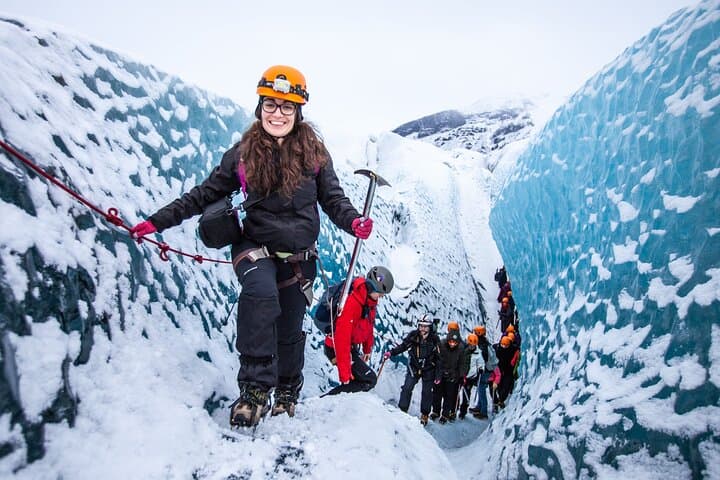
Beneath a sky of shifting light, Skaftafell’s ice reads like a map of time. This three-hour guided glacier hike mixes technical instruction with geology and culture: compact, safe, and unforgettable.
 Related story
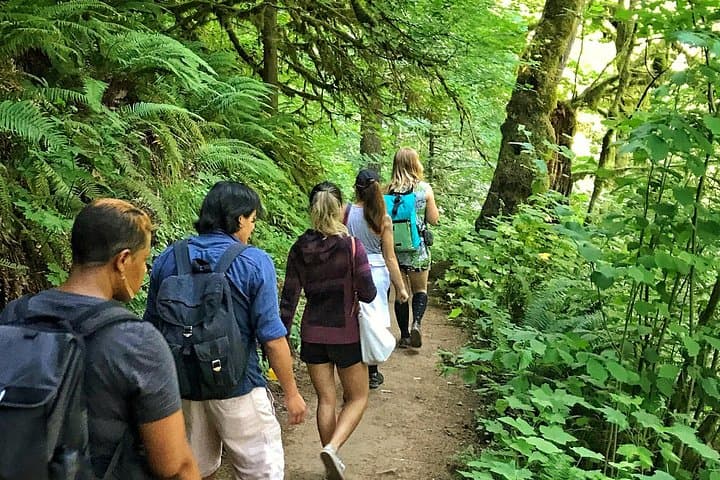
Lose the city for a few hours without leaving it: this 5-mile, 900-foot-gain Forest Park loop threads old-growth pockets, city viewpoints, and cultural landmarks for a compact taste of Portland’s wild side. Expect moss, roots, and stories.