
What the day feels like
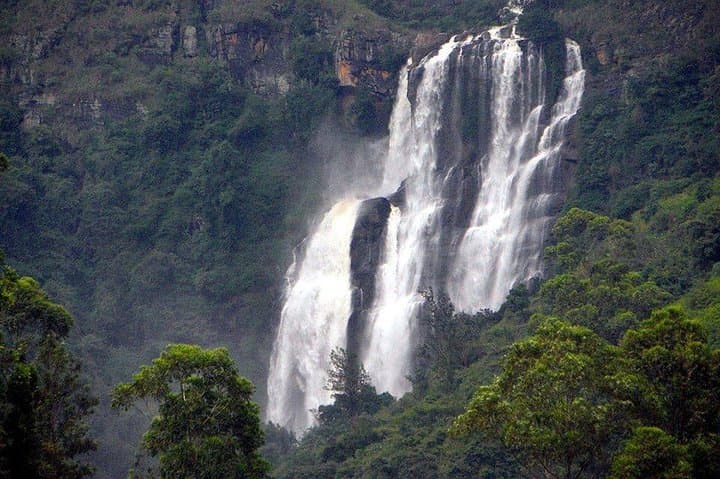
You leave Colombo before dawn and the coast peels away behind you: an open ribbon of highway, then tea-terraced slopes that stack like green steps. By midmorning the air has softened; mist clings to gullies, and small streams—quiet at first—begin to insist on your attention. The day that follows is a geography of motion: narrow trails that slide into the forest, stair-stepped streams that gather energy and then spill, and waterfalls that arrive like punctuation marks—sudden, loud, and perfectly placed. This is the Hill Country of Sri Lanka, where more than 100 waterfalls puncture the central highlands, and a local guide can turn what would otherwise be a scattershot drive into an intimate string of discoveries. Learn more and book to explore Sri Lanka’s hidden waterfalls with a knowledgeable local through this guided day tour: https://app.advcollective.com/local-experts/explore-sri-lankas-hidden-waterfalls-guided-day-tour-hill-country
The physical work of the day is straightforward but varied. Expect 6–10 kilometers of walking on packed dirt, rock steps and muddy switchbacks, with short steep pitches that test the knees and reward you with viewframes over plunging water. Cumulative elevation change is modest—generally under 400 meters of ascent—but the tight, tropical humidity makes the effort feel more immediate. Trails funnel through a layered landscape: low canopies of creepers and ferns, loblolly-like stands of eucalyptus left from colonial plantings, and sudden openings where tea estates cut the horizon into checkerboard patterns. The waterfalls themselves have personalities: some are broad, theatrical curtains you can stand behind, others are narrow, onion-skin ribbons that thread through mossy rock.
This is not a sanitized national-park circuit. Many cascades in the Hill Country are still locally revered, known by village names rather than guidebook listings. That local knowledge is the value of a private tour: your guide reads river noise like a map, times the day around the best light and quiet moments, and negotiates off-trail approaches where official paths are thin or absent. Along the way you'll pass small settlements where women sort tea leaves with quick, efficient hands, and children will wave from sampans or footpaths; these are reminders that every waterfall here is part of a lived-in landscape, not just a photo subject.
Geology explains the drama. The central highlands are composed of metamorphic bedrock and ancient gneiss that split into escarpments; rainfall funnels down steep gradients producing the sharp, high-energy falls characteristic of the region. Colonial tea culture sits on that same geology—the hills that drain rapidly are also those that host the plantation soils and the neat rows of Camellia sinensis. Historically the British love affair with Ceylon tea remade the land, carving terraces and transporting labor; those social and agricultural layers remain visible as you move from forest to plantation to village.
Culturally, the waterfalls are destinations for both leisure and reverence. Temple shrines and small painted shrines near water’s edge show the spiritual side of the landscape—locals offer flowers and light oil wicks, seeking blessings for health and safe travel. Ask your guide about local stories: many falls have a tale attached, whether a clever hermit or a tale of lovers separated by water. These small narratives add texture to the day.
Practically, a day like this is long—expect 10–14 hours if you're traveling from Colombo or Kandy and returning the same day. Dress for humidity and slog: breathable layers, quick-dry shirts, and shoes with sticky soles. Bring a small daypack with a water reservoir, reef-safe sunscreen, and a rain shell because tropical weather shifts fast. A phone will get good photos but consider a compact camera with a polarizer to manage glare and boost color.
Why go? The combination of accessibility and discovery makes this trip compelling. In one day you can see multiple falls—some within easy access, others reached by brief, rewarding scrambles—while gaining a window into hill-country life. For photographers it’s a day of plunging light and verdant textures; for hikers it’s a day of varied terrain that keeps legs engaged. And for people who travel because they want to learn, the narrative arc—geology, colonial history, tea culture, and contemporary village life—binds the scenery to something real and memorable.
Book with an informed local guide to increase the odds of finding less-visited cascades, time the route with the weather, and steer clear of private property or fragile banks. This tour’s private format also makes it easier to move at your own pace: pause for a long drink of water, wade at the base of a cascade, or simply stand and watch the river recompose itself.
If you go, let the waterfalls do what they do best—be dramatic, forceful, and insistently present. Walk slowly where the trail is thin, keep your voice low at the pools that double as village baths, and leave the place better than you found it. The hills keep their secrets well; with a good guide, you’ll leave with a few of your own.
Trail wisdom
Small choices, better day.
Start Early
Morning light reduces haze and often means quieter falls and easier access before afternoon rains.
Grip-Focused Footwear
Choose shoes with sticky soles and ankle support—rocky stream crossings get slippery fast.
Hydrate Smart
Bring 2–3 liters and sip regularly; tropical humidity makes dehydration easy.
Respect Local Customs
Dress modestly near village shrines and ask before entering private land or bathing areas.
Local knowledge
Read the place, not just the route.
Watch for native species including Purple-faced langur (endemic primate), Sri Lankan sambar deer along forest margins.
Keep an eye out for wildlife during the transition between areas and habitats. Respect distance guidelines.
Support guides who practice Leave No Trace, avoid stepping on fragile riverbanks, and choose operators that pay fair wages to local communities.
Follow the guide's instructions on size limits, ethical handling, and leave-no-trace practices.
Small village cascades below tea-terraced slopes where few tourists stop. A shaded pool tucked behind a thin curtain fall that offers a quiet lunch spot
Locally recommended viewpoints and quiet spots known best to local operators.
The Hill Country’s waterfalls are intertwined with colonial-era tea development—the same slopes that feed rivers were terraced for tea estates beginning in the 19th century.
Maritime roots and regional tradition shape the waterways and working coasts.
Seasonal guide
Four versions of the same landscape.
Spring
Best forDry trails · Clear views · Tea-plantation colors
ChallengesUnpredictable showers · Leeches in shady spots
Late winter to early spring (January–April) is generally drier and offers the best balance of walkable trails and full flows.
Summer
Best forLush vegetation · High water volume · Fewer tourists
ChallengesShort, heavy monsoon showers · Muddy trails
Summer brings dense green growth and powerful falls but expect intermittent heavy rain—pack a rain shell.
Fall
Best forGolden light · Cooler temperatures · Less humidity
ChallengesVariable flows depending on rains · Some clipped plantation work
Autumn offers crisp air and great photographic light; flows may vary, but the landscape is atmospheric.
Winter
Best forClear visibility · Cool hiking conditions · Tea-factory visits
ChallengesColder mornings at elevation · Lower water flows in some falls
Winter months are cooler and ideal for long drives and clear vistas; some smaller falls may be reduced.
Pack with intention
What to bring.
Good to know
Common questions.
The tour runs roughly 10–14 hours depending on departure point and the number of waterfalls visited.
Plan the edges
The details that make the day easier.
Sri Lanka’s central hill country contains over 100 named waterfalls, many clustered within a few dozen kilometers of each other due to steep river gradients in the highlands.
After a day on the trail, head to a nearby tea factory for a tasting and a tour, then try local favorites like egg hoppers and kottu at a village eatery; small roadside shops often sell freshly brewed Ceylon tea and samosas.
- Closest airport
- Bandaranaike International Airport (CMB). Typical drive time from Colombo: 3–4 hours; from Kandy: 1–2 hours. Cell service: intermittent in narrow gullies, good near towns. Permits: none required for day visits, but respect private land and follow guide instructions.
Many cascades are on community land—pack out all trash, avoid single-use plastics, and support local guides and tea shops to keep tourism benefits local.
Explore by topic
Follow the threads.
Keep exploring
Make the story part of the trip.
Set out from Bass Harbor for a private, customizable day on Blue Hill Bay — lighthouses, puffins, seals, and the chance to feel Acadia from the water. Small groups, local captains, unforgettable views.
In four hours you can move from shaded canyon ferns to wind-scoured coastal ridgelines, guided by someone who knows where the light—and the hidden views—live. This private half-day hike on the Monterey Peninsula or Big Sur is compact, curated, and perfect for travelers who want depth without a multiday commitment.
 Related story
Beneath a sky of shifting light, Skaftafell’s ice reads like a map of time. This three-hour guided glacier hike mixes technical instruction with geology and culture: compact, safe, and unforgettable.