
What the day feels like
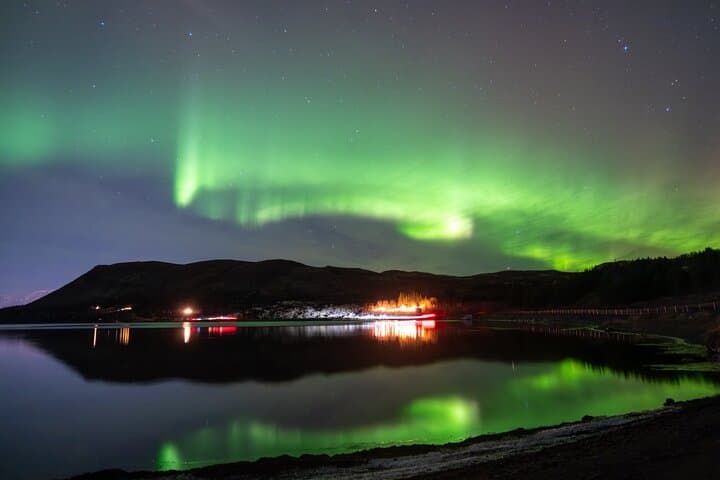
The road out of Reykjavík at midnight feels like an invitation. Headlights cut a path through steam rising from hot springs and the low rumble of distant surf. You pause in a layby, engine ticking as it cools, and look up: an impossible curtain of green and violet unfurls above the black silhouette of lava fields. It’s quiet in a way cities are not—only the hush of wind and the gentle crackle of aurora—and for a moment the entire island seems to hold its breath. This is what a week of live, on-call northern lights assistance can unlock: not a guaranteed sighting, but the best possible odds, tailored to the weather and your itinerary as you drive Iceland’s ring road or short coastal spur roads from Reykjavík.
The service itself is deceptively simple: local aurora hunters monitor cloud cover, geomagnetic activity, and local microclimates, and send nightly updates and suggested viewing locations. But the logistics of aurora-chasing in Iceland require local knowledge. The island sits under the auroral oval’s frequent paths and offers a raw, changeable stage—volcanic plateaus, glacial rivers, and black-sand beaches all become foregrounds for the lights. Historically, Icelanders wrapped the aurora in myth—spirits, reapers, and guides in sagas—and modern hunters still speak in those measured, reverent tones when a display arrives.
Geology and weather conspire to make this a rich experience. Cold nights with clear skies frequently follow weather fronts that sweep in from the Atlantic; those same fronts create the cloud cover that can hide an otherwise active aurora. That’s where the live assistance pays off: rather than blasting out to the same overcrowded spots, you’ll get nudges to lesser-known stretches of shoreline or nearby high ground where skies are clear and the horizon is unobstructed. Drive times from Reykjavík range from 15 minutes to an hour for the best local options, and many suggested stops are on paved roads with safe pullouts—important when you’re stopping for minutes at a time to peer skyward.
Culturally, a northern lights outing in Iceland often blends into the rhythm of a road trip: geothermal pools for warming up, late-night lamb soup at a petrol station café, and a compact, friendly Reykjavík bar to warm your hands afterward. Locally provided assistance respects that flow—advice arrives via text or app, not as rigid commands—so you build the evening around your pace and comfort.
Practicalities matter. The viewing window runs mainly from September through April; summer’s midnight sun makes aurora impossible. Winter driving in Iceland requires tires rated for snow and ice, steady hands on the wheel, and an eye on road weather advisories. Expect rapidly falling temperatures, limited daylight, and sudden weather changes. The assistance product often covers a block of nights (the Viator listing notes a seven-day period), so you’re not putting all your eggs in one cold night: monitoring across multiple evenings increases your odds.
For photographers, the advantage is tactical: the live-scouting element can suggest vantage points with better foregrounds, darker horizons, or less light pollution. A tripod and a wide, fast lens are still the basics, but knowing where to park, where to set up without blocking traffic, and which angles put the aurora over a basalt ridge rather than a tourist bus—those are the local secrets you’ll get.
Safety and etiquette are woven into the experience. Stay off soft ground to avoid damaging moss that takes decades to recover; pull fully off the road; don’t shine bright lights at other stargazers or wildlife; and be prepared for the possibility that the sky stays stubbornly blank. That’s the honest side of aurora-chasing: beauty is never guaranteed. What you pay for is expertise that stacks the odds—location intel, cloud-forecasting, and the foresight to avoid roads that become impassable in a sudden squall.
Who should consider a self-drive northern lights assistance product? Travelers who want independence—those who enjoy the control of their own schedule but want an expert second opinion. Families with older kids, couples who want a flexible evening, photographers who need to know which pullouts will be darkest—these are the people who get the most from this hybrid model of autonomy plus local intelligence.
A practical week of nightly tips and updates changes how you plan each day. It lets you decide whether to burn daylight on farther scenic drives or hunker closer to Reykjavík for shorter night runs. It nudges you toward lesser-used coastal strips and away from crowded lighthouses at peak viewing times. It also reduces the time spent staring at opaque radar maps and translates technical indices into two clear questions: is tonight worth going out, and where should I go?
If you go, go prepared: warm layers, a charged phone with offline maps, and patience. Bring a thermos, a tripod, and boots that handle snow and gravel. Treat the land gently; part of the beauty of Iceland’s night is that it still feels wide open and untrampled. With that combination—your car, the quiet road, and a small team of remote hunters guiding each night—you increase the chance that the sky will repay the effort, unrolling a display that is, for those who see it, quietly life-changing.
Trail wisdom
Small choices, better day.
Time your nights
Aim for a window between 10pm–2am when aurora activity and darkness often align, and be flexible—update texts can change your plan.
Respect winter roads
Use paved pullouts, avoid stopping on soft moss, and check road.is for live conditions before you head out.
Camera ready
Keep batteries warm in an inner pocket and use manual exposure with a tripod for best aurora shots.
Share location
Tell someone where you’re headed and carry a charged phone with offline maps; cell coverage can be spotty outside Reykjavík.
Local knowledge
Read the place, not just the route.
Watch for native species including Seals along the coast, Seabirds and occasional wintering ducks.
Keep an eye out for wildlife during the transition between areas and habitats. Respect distance guidelines.
Minimize light pollution by using dim, red lights; avoid parking on fragile moss or dune systems and pack out all waste.
Follow the guide's instructions on size limits, ethical handling, and leave-no-trace practices.
Grótta Lighthouse (Seltjarnarnes) — a local dark-sky spot minutes from Reykjavík. Less-trafficked coastal pullouts on the Reykjanes Peninsula recommended by local scouts
Locally recommended viewpoints and quiet spots known best to local operators.
Icelandic sagas and folklore often referenced aurora as omens or otherworldly lights; modern Icelanders celebrate them as part of national identity and storytelling.
Maritime roots and regional tradition shape the waterways and working coasts.
Seasonal guide
Four versions of the same landscape.
Spring
Best forLate-night aurora shows · Milder temperatures than mid-winter · Longer daylight for daytime sightseeing
ChallengesUnpredictable melt and icy roads · Shorter nights than winter
Spring (March–April) balances clearer skies and fewer storms with still-long nights—good odds and more comfortable temps.
Summer
Best forMidnight sun experiences (not aurora) · Accessible roads and puffin season
ChallengesAurora essentially invisible due to daylight · High tourist season in some areas
Summer offers incredible daytime adventures but is a poor season for aurora viewing—expect no visible northern lights.
Fall
Best forEarly aurora season begins · Less crowded than mid-winter · Strong geomagnetic activity around equinoxes
ChallengesRapidly changing weather · Cold nights
Autumn (September–November) is an efficient aurora season with long nights and strong geomagnetic activity, but cloud cover can be fickle.
Winter
Best forDeep-night viewing · High aurora frequency · Snow-draped landscapes as foregrounds
ChallengesShort daylight, extreme cold, and hazardous driving at times
Winter offers the most consistent aurora opportunities but requires winter driving skills and cold-weather gear.
Pack with intention
What to bring.
Good to know
Common questions.
Local aurora experts monitor cloud cover and geomagnetic activity and send nightly location suggestions and updates via text or app so you can drive to the best nearby vantage points.
Plan the edges
The details that make the day easier.
Iceland sits under the auroral oval frequently, making it one of the world’s most reliable countries for northern lights displays during the dark months.
After a night of aurora hunting, return to Reykjavík’s Old Harbour for fresh seafood, or warm up with a hot dog from Bæjarins Beztu Pylsur; craft beer bars in the city center offer a relaxed late-night atmosphere.
- Closest airport
- Keflavík (KEF); Typical drive from Reykjavík to recommended viewing spots: 15–60 minutes; Cell service: good near towns, spotty in remote areas; Permits: none for roadside viewing but avoid private land and protected areas.
The auroral viewing areas are ecologically sensitive—stick to roads and established pullouts, minimize light usage, and pack out what you bring in.
Explore by topic
Follow the threads.
Keep exploring
Make the story part of the trip.
Set out from Bass Harbor for a private, customizable day on Blue Hill Bay — lighthouses, puffins, seals, and the chance to feel Acadia from the water. Small groups, local captains, unforgettable views.
In four hours you can move from shaded canyon ferns to wind-scoured coastal ridgelines, guided by someone who knows where the light—and the hidden views—live. This private half-day hike on the Monterey Peninsula or Big Sur is compact, curated, and perfect for travelers who want depth without a multiday commitment.
 Related story
Beneath a sky of shifting light, Skaftafell’s ice reads like a map of time. This three-hour guided glacier hike mixes technical instruction with geology and culture: compact, safe, and unforgettable.