
What the day feels like
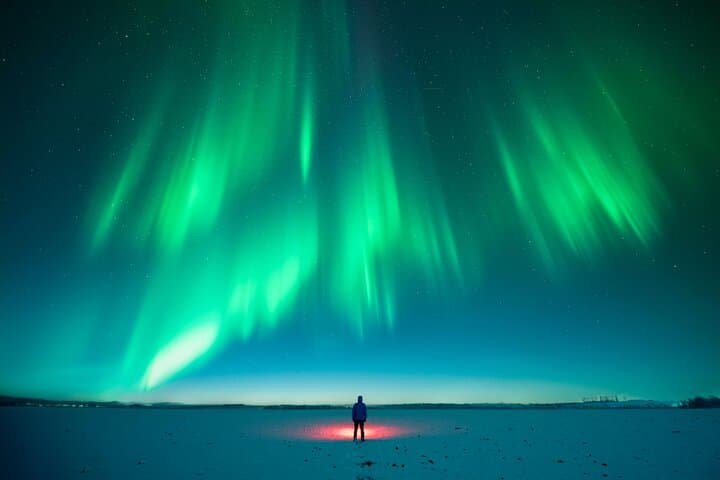
I first noticed the sky before I noticed the bus—an inky black broadcloth freckled with stars, and a slow ribbon of green like a curtain being drawn by an unseen hand. The minibus eased off the lit streets of Rovaniemi and into a quieter Arctic night. Windows steamed with warm breath as our guide scanned the forecast and the horizon, coffee in one hand, camera in the other. We were heading north, and the road ahead felt less like asphalt and more like a promise: tonight, the aurora might decide to show itself.
The Guarantee Northern Lights Trip Pro is not a sedate sightseeing stop; it’s a purpose-built raid on the sky. Operated from Rovaniemi, the tour will run for 4 to 10 hours, pushing out of town in search of clear skies and low light pollution. That means long nights, nimble driving, and a guide who reads clouds and KP indices like a forester reads tree rings. Along the way you'll pull over at road shoulders, frozen lakes, and hilltops—the kind of open spaces where the northern lights have room to unfurl.
This part of Finnish Lapland is a geography lesson in restraint. The landscape was carved by ice—a mosaic of drumlins, peat bogs, and black spruce that catch snow and hold silence. Rovaniemi sits on the Arctic Circle, a place where the tilt of the Earth gives the sky a different personality in winter. The Sami people, indigenous to this region, have watched these lights for generations and woven them through stories of omens, spirits, and awe. Modern Rovaniemi itself is a post-war rebirth; much of the town was rebuilt after World War II and sits as a quiet gateway to the wild.
Culturally the trip is light and convivial. Guides share Finnish lore and a simple comfort: warm drinks and a roadside barbecue of sausages while you wait. The operator includes a professional camera system for guest use—handy if you don’t want to wrestle with exposure settings in -20°C—and they promise a free rebooking or refund if you don’t see the aurora. That guarantee transforms this from a gamble to a travel contract with the sky.
Practically speaking, what you get is mobility and patience. The tour can range from four hours—good if you catch an early display—to an all-night chase that stretches your tolerance for cold and your appetite for wonder. The terrain is mostly secondary roads; you stay in the warmth of the minibus between stops. Guides choose locations away from town lights, often within a 0–120 km radius, but they will go farther if forecasts demand.
If you’re planning this trip, timing and preparation make the night. Ideal months are late winter: January through March deliver long, dark nights and reasonably stable weather. Dress for Arctic winter: layers, insulated parka, waterproof boots, and a focus on battery life—cold eats camera batteries faster than a bonfire eats marshmallows. Bring a tripod or use the tour’s camera rig if you want crisp aurora photos.
There are trade-offs. The best aurora shows need clear skies; Finland’s weather is mercilessly changeable. Light pollution can spoil an otherwise brilliant dance, so guides drive until the horizon opens up. Expect patchy cell service as you move farther from town and long stretches standing still in the cold. The tour’s refund policy (or free rebooking) is a practical recognition that, in aurora hunting, the elements still write the rules.
For travelers, this is an accessible but uncompromising night out. Fitness requirements are minimal—most of the trip is seated travel with short walks—but comfort in cold conditions is essential. If you’re a photographer, think beyond wide apertures and long exposures: plan for lens heaters or anti-condensation techniques. If you’re traveling with kids, check the operator’s age and health guidance in advance—long nights can be tiring for small bodies.
Beyond the lights, the trip opens a doorway to Lapland’s quieter pleasures. Rovaniemi has a relaxed post-adventure routine: hot berry soup, rye bread, reindeer stew, and a local beer at a wood-floored pub. Visiting Arktikum museum before or after your tour gives context to the landscape—its people, climate, and the ways the Arctic is changing.
The Northern Lights are capricious; sometimes they sweep overhead like a cathedral curtain, other nights they are ghosts on the periphery. But the Guarantee Northern Lights Trip Pro stacks the odds in your favor with expert guides, a flexible route, and a clear promise should the heavens stay stubbornly blank. You’ll leave with cold toes, a handful of photos, and the memory of an enormous sky doing what it does best—moving, surprising, and insisting that the world is bigger than our schedules.
If you go: plan for a long night, dress for the cold, and arrive with patience. The aurora will decide when you’ve earned its attention. And on the drive back, sometime before dawn, you’ll notice the eastern horizon paling to blue. The bus hums. The snow makes the world softer. Even without a blazing curtain overhead, there is something restorative about being out under a sky designed to humble. That’s the real value of the chase.
Trail wisdom
Small choices, better day.
Layer aggressively
Temperatures can plummet—base layers, an insulated parka, and windproof outerwear keep you comfortable during long roadside stops.
Protect camera batteries
Bring fully charged spare batteries in an inner pocket; cold drains power quickly, especially during long exposures.
Use the guide’s camera rig if unsure
The tour provides a professional camera system—use it to avoid fumbling with technical settings in subzero conditions.
Stay flexible with timing
The operator may run 6–10 hours to chase the best sky—prepare for late nights or free rebooking if the aurora doesn’t appear.
Local knowledge
Read the place, not just the route.
Watch for native species including Reindeer, Moose (elk).
Keep an eye out for wildlife during the transition between areas and habitats. Respect distance guidelines.
Light pollution reduction is important for aurora viewing—support operators who minimize roadside litter and avoid disturbing fragile tundra habitats.
Follow the guide's instructions on size limits, ethical handling, and leave-no-trace practices.
Ounasvaara hill for a quick local aurora vantage point close to town. Arktikum museum for Arctic history and science exhibits
Locally recommended viewpoints and quiet spots known best to local operators.
Rovaniemi was largely destroyed during World War II and rebuilt in the post-war period, becoming a modern gateway to Lapland and a cultural center on the Arctic Circle.
Maritime roots and regional tradition shape the waterways and working coasts.
Seasonal guide
Four versions of the same landscape.
Spring
Best forLate-season aurora · Milder nights · Longer daylight hours
ChallengesUnpredictable cloud cover · Thawing roads · Variable temperatures
Early spring (March) often combines clearer skies and slightly warmer nights, improving chances for visible auroras without the deepest cold.
Summer
Best forMidnight sun experiences · Hiking and lakes · Milder travel conditions
ChallengesNo aurora season · Constant daylight · Limited night visibility
Summer is not suitable for aurora chases—continuous daylight makes the Northern Lights undetectable.
Fall
Best forEmerging night skies · Quiet trails · Autumn colors
ChallengesUnstable weather · Shorter nights · Early snow in late season
Autumn brings longer nights and drifting weather; early season tours can be rewarding but depend on clear, dark skies.
Winter
Best forPeak aurora viewing · Snow-covered landscapes · Arctic activities
ChallengesExtreme cold · Short daylight windows · Icy roads
Winter is the optimal season for Northern Lights tours, offering long, dark nights and a strong probability of displays if skies clear.
Pack with intention
What to bring.
Good to know
Common questions.
The tour runs between 4 and 10 hours—guides stay flexible to maximize viewing chances and may continue late into the night.
Plan the edges
The details that make the day easier.
Rovaniemi sits on the Arctic Circle and is recognized as the official hometown of Santa Claus, drawing winter travelers year-round.
After a night under the aurora, warm up with reindeer stew or salmon at a local tavern, stop by the Arktikum museum for regional context, and try a brew at a small Rovaniemi bar to trade sightings.
- Closest airport
- Rovaniemi Airport (RVN); Typical driving from city: 0–120 km depending on conditions; Cell service: intermittent in remote stops; Permits: none required; Pickup: usually from hotels in Rovaniemi city center.
Support operators that minimize light pollution and pack out all waste; avoid trampling tundra vegetation and follow local guidelines to protect fragile Arctic ecosystems.
Explore by topic
Follow the threads.
Keep exploring
Make the story part of the trip.
Set out from Bass Harbor for a private, customizable day on Blue Hill Bay — lighthouses, puffins, seals, and the chance to feel Acadia from the water. Small groups, local captains, unforgettable views.
In four hours you can move from shaded canyon ferns to wind-scoured coastal ridgelines, guided by someone who knows where the light—and the hidden views—live. This private half-day hike on the Monterey Peninsula or Big Sur is compact, curated, and perfect for travelers who want depth without a multiday commitment.
 Related story
Beneath a sky of shifting light, Skaftafell’s ice reads like a map of time. This three-hour guided glacier hike mixes technical instruction with geology and culture: compact, safe, and unforgettable.