
What the day feels like
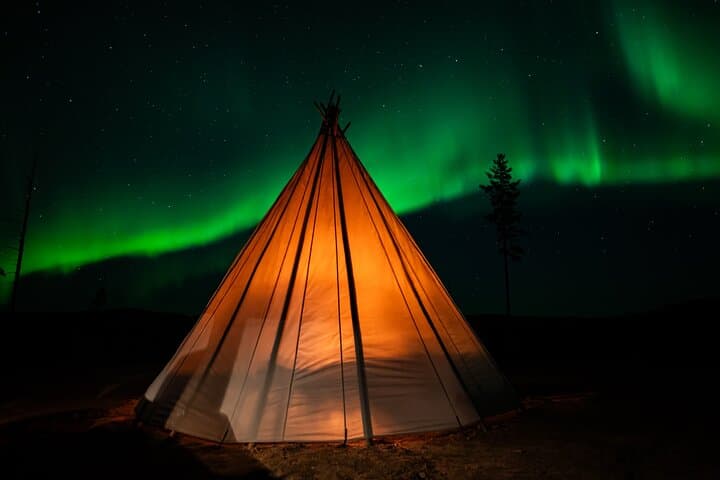
You step out of the van into a cold that smells of wood smoke and old pine; the Arctic air meets your breath in a quick white. Ahead, a ring of low cabins and a lean, honest fire give the world scale—the sky above is the room. For three hours, this is the program: wait, watch, listen, and let the dark rearrange itself. The guides hand you a warm drink, drape a supplied insulated suit over your outer layers, and invite you to sit close to the flames while they tell stories of solar winds and Sámi legends. It feels intimate and efficient at once: modern logistics shepherd you far from town lights in a 40-minute drive, but what unfolds is older than maps.
Rovaniemi sits on the edge of the Arctic Circle, a place where the night stretches and the magnetosphere reaches down to meet the planet. The aurora borealis—the Northern Lights—are not a tourist contrivance but a complex, shimmering conversation between charged particles from the sun and Earth's upper atmosphere. In Lapland, that conversation often answers with broad green curtains, occasional violet fringes and the slow, theatrical waves that make even practiced photographers hold their breath.
There’s a cultural counterpoint to the science: local Sámi narratives frame the lights as more than spectacle—sometimes as ancestors, sometimes as playful spirits. Guides on the van tour weave both explanations into the night. They explain the how and tell stories that help you remember the why: why people have come north for centuries to read the sky and find meaning in its motion. Geologically, the northern latitude matters—the Earth's magnetic field funnels particles toward the poles, and Rovaniemi’s latitude means the city spends much of winter under conditions that favor aurora shows.
The itinerary is direct: collect at the Safari Center in Rovaniemi, bundle up with the warm outfits the operator provides, and ride 40 minutes into open spaces chosen for minimal light pollution. Once at a private site, you’ll sit by a crackling fire, hear local lore, and keep watch. The night is paced for patience—three hours total—and your guide will offer photography help and phone charging to capture what you can. Expect a hands-on, low-friction experience geared toward seeing the lights without spending the whole night exposed to the elements.
Practical edge: the Northern Lights are weather-dependent. No operator can guarantee color or intensity; clear skies and geomagnetic activity raise the odds. Dress in layers: what you feel as an inconvenience before the lights may be the difference between a distracting shiver and relaxed, long viewing. Footwear should be insulated and waterproof; ice grips are useful, and hand warmers are cheap insurance. Bring a headlamp with a red-light option—it preserves night vision and keeps the group from accidentally washing the sky with stray white beams.
For photographers, this is a teachable moment. Guides will help set camera basics—wide aperture, high ISO, and shutter speeds in the 5–15 second range for handheld-stable tripods. If you’re using a phone, use the night or pro mode; a small tripod and a remote shutter release or timer will dramatically reduce blur. The guides' willingness to charge batteries and help frame shots is part of the value: it’s a practical nudge that turns a lucky look into a portfolio-worthy frame.
Safety and comfort have been thoughtfully addressed: the van removes the need to hunt for vantage points yourself, warm suits limit the gear you must own, and the private viewing location reduces interruptions. Still, bring patience. Many nights offer only faint bands; the unforgettable displays come on nights when solar activity peaks. Check the aurora forecast and weather before you head out—combine short-term forecasts with long-term geomagnetic indices for the best planning.
Why travel for this instead of self-guiding? The math is simple: local guides know where to go and how to read conditions, and the van keeps you mobile and warm between viewing spots. For travelers short on time or unfamiliar with Arctic driving, the tour compresses several logistical headaches into a single, relaxed experience. Price sits in the mid-range for small-group aurora hunts—expect a transparent fee that covers transport, outfits, storytelling, and the simple luxuries (fire, hot drink, phone charging) that make cold nights memorable rather than miserable.
In Rovaniemi, the Northern Lights are both show and classroom. If you leave with only a blurry phone photo, you’ll still have had the physical reminder—the cold air, the sound of logs settling ash, a guide’s anecdote—that the sky is a living thing here. If luck and favorable solar conditions conspire, you’ll walk back to the van feeling like you glimpsed geography in motion: the magnetosphere made visible, playful, and personally resonant.
Plan for one prime goal: make the night comfortable enough to look up for as long as needed. The rest—stories, science, images—are excellent bonuses.
Trail wisdom
Small choices, better day.
Layer aggressively
Start with a thermal base, insulated mid-layer, and a windproof shell—the van provides outer suits but your inner layers keep you comfortable for long watches.
Bring a tripod
Long-exposure photos need stability; a compact tripod and a remote shutter or timer will vastly improve your shots.
Charge and carry spare batteries
Cold drains batteries quickly—bring charged spares for cameras and phones and the guide can top you up if needed.
Use red light only
Use a headlamp with a red filter to preserve night vision for yourself and other viewers.
Local knowledge
Read the place, not just the route.
Watch for native species including Reindeer, Snowy owls (seasonal).
Keep an eye out for wildlife during the transition between areas and habitats. Respect distance guidelines.
Tours emphasize low-impact viewing—staying on designated areas, minimizing artificial light and noise, and using shared warm outfits reduces excess consumption.
Follow the guide's instructions on size limits, ethical handling, and leave-no-trace practices.
Drive to a frozen riverbank near the viewing sites for unobstructed horizons. Ask guides about nearby Sami cultural spots—they often know lesser-visited workshops and storytellers
Locally recommended viewpoints and quiet spots known best to local operators.
Rovaniemi sits on the Arctic Circle and became a post-war reconstruction symbol; the region's seasonal rhythms have shaped Sámi and settler livelihoods for centuries.
Maritime roots and regional tradition shape the waterways and working coasts.
Seasonal guide
Four versions of the same landscape.
Spring
Best forLonger twilight · Milder nights · Photographing late-season auroras
ChallengesUnpredictable cloud cover · Slightly shorter nights
Late winter into early spring extends viewing hours while temperatures moderate—still dark enough for auroras but with slightly milder conditions.
Summer
Best forMidnight sun experiences · Extended outdoor tourism · Hiking nearby during daytime
ChallengesNo aurora visibility due to continuous daylight · Limited night darkness
Summer’s midnight sun makes aurora viewing impractical; reserve summer travel for other Arctic activities and plan aurora trips in darker months.
Fall
Best forClear skies after autumn cold fronts · Fewer tourists · First strong geomagnetic storms
ChallengesVariable weather · Cooling temperatures at night
Autumn brings long nights early and often-clear skies—a good shoulder season for aurora sightings as daylight contracts.
Winter
Best forClassic aurora hunts · Stable cold air and clear nights · Snowy landscapes for contrast
ChallengesSevere cold · Short daytime hours
Winter is peak aurora season with long nights and frequent opportunities, but be prepared for sustained cold and icy conditions.
Operator details
What the booking data adds.
Included
- ✓Restroom facilities
- ✓Sausages & berry juice
- ✓Guidance in English
- ✓Private northern lights spot on top of the hill with 360° view
- ✓Thermal clothing
- ✓Pickup and drop-off from designated locations
Good to know
- ✓Suitable for all physical fitness levels
- ✓Please let us know if there are any dietary restrictions, so we can prepare accordingly.
Pack with intention
What to bring.
Good to know
Common questions.
The experience lasts approximately 3 hours, including a 40-minute drive to the viewing site from the Safari Center.
Plan the edges
The details that make the day easier.
Rovaniemi lies on the Arctic Circle and is known as the official hometown of Santa Claus, with the Arctic Circle crossing clearly marked at the city.
After the tour, warm up with Lappish flavors: try reindeer stew or salmon at a local tavern, pair it with a Finnish lager or herb tea, and visit a cozy café in Rovaniemi—many venues serve traditional berry desserts and open-fire cooking.
- Closest airport
- Rovaniemi Airport (RVN). Pickup: Safari Center in Rovaniemi. Drive to viewing site: ~40 minutes. Cell service: generally available but can be spotty at remote sites. Permits: none required for this guided private-site tour.
Operators use private sites to minimize disturbance to wildlife and reduce light pollution; pack out trash, avoid open flames outside designated pits, and respect local Sámi cultural sites.
Explore by topic
Follow the threads.
Keep exploring
Make the story part of the trip.
Set out from Bass Harbor for a private, customizable day on Blue Hill Bay — lighthouses, puffins, seals, and the chance to feel Acadia from the water. Small groups, local captains, unforgettable views.
In four hours you can move from shaded canyon ferns to wind-scoured coastal ridgelines, guided by someone who knows where the light—and the hidden views—live. This private half-day hike on the Monterey Peninsula or Big Sur is compact, curated, and perfect for travelers who want depth without a multiday commitment.
 Related story
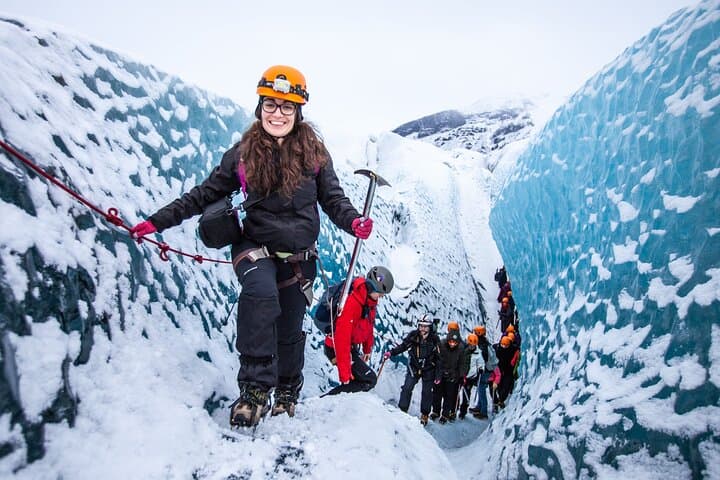
Beneath a sky of shifting light, Skaftafell’s ice reads like a map of time. This three-hour guided glacier hike mixes technical instruction with geology and culture: compact, safe, and unforgettable.