
What the day feels like
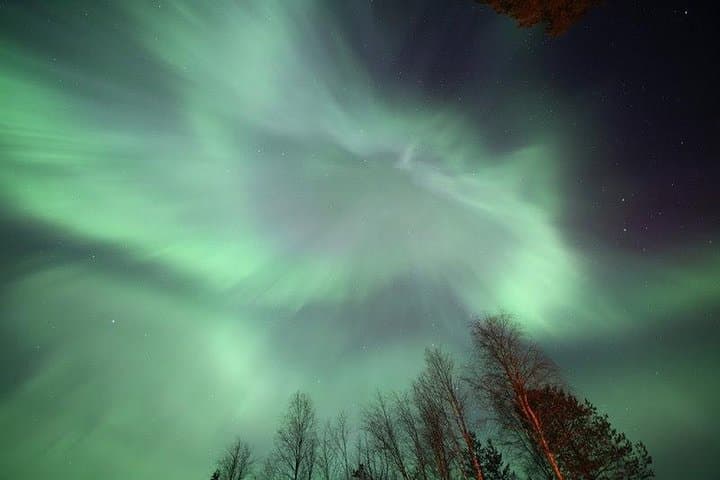
You step out of the minivan and the night swallows the city. A cold, clean silence presses in around you — not the brittle kind from postcards, but a thick, tactile quiet that muffles everything but breath and boot-scrunch. Above, a faint curtain unfurls: at first a pale smear, then a rib of green that shivers and folds like silk in a breeze. This is Lapland at its most elemental. On a four-hour photography tour from Rovaniemi, the aurora is the main act, but the evening is a layered performance of weather, geography, and human curiosity.
The tour begins in Rovaniemi's compact center, just south of the Arctic Circle. After a short briefing about aurora forecasts, cloud cover, and camera settings, your guide maps a route out of town. The advantage of a minivan is mobility: you chase clear skies rather than fight fixed observation points. That means short drives, quick setups, and a rhythm of watching the sky and the forecast at once. The chase is equal parts patience and opportunism.
Lapland is shaped by ancient geology. The rounded hills of Ounasvaara and basalt escarpments nearby are the weather-makers; when skies clear over these high ridges, you get long vistas toward dark horizons. Rivers such as the Kemijoki cut reflective surfaces into the landscape that, on a still night, mirror auroral curtains for dramatic composition. Culturally, Rovaniemi is a study in contrasts: a modern Arctic hub rebuilt after World War II with input from architects like Alvar Aalto, sitting at the edge of traditional Sámi lands where reindeer herding remains a living practice. Local guides will often thread these threads together, explaining not only how to expose for a faint green band, but also why the land looks and feels the way it does.
Photography Tours of this kind are designed for people who want more than a casual snapshot. The emphasis is on practice and context: you learn why an 8- to 20-second exposure at high ISO can reveal structure in the lights, how to pre-focus in the dark, and how to preserve battery life in subzero conditions. The minivan approach puts you within 30–60 minutes of multiple vantage points on any given night, depending on cloud cover and aurora activity. Guides monitor local forecasts — both meteorological and geomagnetic — and pick spots with low light pollution.
Practicalities matter out here. The tour runs roughly four hours, usually starting after dinner when darkness is established. Bring insulated layers, a tripod, spare batteries, and a headlamp with a red filter for working darkly. Expect to stand for long periods; it’s not a technical day-hike but cold, wind, and stiffness are the real challenges. Transport is by minivan, so motion-sick travelers should plan accordingly. The listed price begins around USD 149, which often includes hotel pickup in Rovaniemi city center and onboard hot drinks — small comforts that go a long way when you’re waiting for a sky that decides to perform.
Beyond photography technique, the tour offers a grounded way to connect with the Arctic night. Guides emphasize light pollution reduction and the ethics of wildlife encounters; reindeer and owls are common sights at the roadside, and everyone’s asked to keep distance and noise low. There’s also an aesthetic education here: how to compose aurora with foreground elements, when to use water reflections, and how to employ long exposures without losing the integrity of the colors.
The payoff can be immediate — curtains that ripple like silk, arcs that crown the horizon — or slow and subtle: a faint glow that deepens over an hour, revealing bands and details as your exposure grows. Either way, you return to Rovaniemi with more than images: you walk away with a practiced eye for the night and a better sense of how weather, latitude, and human light interact to create these shows.
Who should go? Photographers who know their camera but want hands-on coaching in aurora conditions; travelers new to winter nights who want the security of a guided minivan trip; anyone curious about the Arctic without committing to multi-day expeditions. The experience is approachable but not passive: you’ll be the one setting up the tripod, checking histograms, and learning how to read the sky.
If you plan to book, aim for clear months on either side of midwinter — statistically, September through March offer the best aurora chances, though peak clarity often arrives in late winter when nights start to lengthen with more consistent cold. Bring patience and dress for standing still; the sky will do the rest.
Trail wisdom
Small choices, better day.
Layer for Immobility
Wear insulated base layers and a windproof outer shell; standing still for long exposures makes you colder than a short hike.
Guard Your Batteries
Keep spare camera batteries warm in inner pockets; cold drains lithium cells quickly.
Tripod First
A sturdy tripod is non-negotiable for night exposures — use a quick-release head for faster setups between stops.
Use Red Light
Carry a headlamp with red-light mode to preserve night vision while composing and communicating.
Local knowledge
Read the place, not just the route.
Watch for native species including Reindeer, Great Gray Owl.
Keep an eye out for wildlife during the transition between areas and habitats. Respect distance guidelines.
Guides prioritize low-light etiquette and staying on roads or designated pullouts to avoid disturbing wildlife and fragile tundra.
Follow the guide's instructions on size limits, ethical handling, and leave-no-trace practices.
Ounasvaara ridge viewpoints for wide-sky compositions. Quiet stretches of the Kemijoki river for reflective aurora shots
Locally recommended viewpoints and quiet spots known best to local operators.
Rovaniemi sits on the Arctic Circle and was rebuilt after World War II; the town blends modern Arctic infrastructure with Sámi culture and traditions.
Maritime roots and regional tradition shape the waterways and working coasts.
Seasonal guide
Four versions of the same landscape.
Spring
Best forLonger nights later in season · Stable, cold weather for crisp skies · Fewer tourists than midwinter
ChallengesLate snowmelt can make roads muddy · Variable temperatures near thaw · Shorter peak aurora season than midwinter
Early spring (February–March) offers clearer, colder nights and improving daylight — a good balance for aurora clarity and comfort.
Summer
Best forMidnight sun photography classes (non-aurora) · Long daytime activities · Birdlife and river landscapes
ChallengesNo true darkness for aurora · Warmer temperatures and mosquitoes · Different gear needs
Summer does not provide the darkness needed for aurora viewing; focus on daytime Arctic landscapes instead.
Fall
Best forIncreasing darkness from September · Colorful tundra backdrops · Less crowded conditions
ChallengesUnstable weather systems · Early snowfall can complicate travel · Colder nights require more layers
Autumn is a strong shoulder season for aurora tours as nights lengthen and landscapes gain color, but clouds can be frequent.
Winter
Best forPeak aurora season (Dec–Feb) · Snow-covered foregrounds for dramatic compositions · Consistent night-time darkness
ChallengesExtreme cold and prolonged exposure · Short daylight hours for other activities · Possible road closures in storms
Winter offers the most reliable darkness for aurora chasing, but be prepared for harsh cold and variable road conditions.
Pack with intention
What to bring.
Good to know
Common questions.
Aurora visibility depends on solar activity and cloud cover; guides choose nights with reasonable forecasts, but sightings cannot be guaranteed.
Plan the edges
The details that make the day easier.
Rovaniemi is officially located on the Arctic Circle and markets itself as the hometown of Santa Claus; the town was rebuilt after WWII with influences from architect Alvar Aalto.
After the tour, warm up in Rovaniemi with reindeer stew and a cup of cloudberry jam at a local restaurant like Nili, or sample Arctic-brewed lagers while you review images and swap field notes with your guide.
- Closest airport
- Rovaniemi Airport (RVN); tour departs from Rovaniemi city center with hotel pickup usually included; typical drive times 0–60 minutes to vantage points; cell service is generally available but patchy in remote pullouts; no permits required, but respect private land and stay in designated areas.
This tour emphasizes dark-sky etiquette and minimizing disturbance to wildlife; follow guide instructions, avoid flash photography near animals, and pack out all waste.
Explore by topic
Follow the threads.
Keep exploring
Make the story part of the trip.
Set out from Bass Harbor for a private, customizable day on Blue Hill Bay — lighthouses, puffins, seals, and the chance to feel Acadia from the water. Small groups, local captains, unforgettable views.
In four hours you can move from shaded canyon ferns to wind-scoured coastal ridgelines, guided by someone who knows where the light—and the hidden views—live. This private half-day hike on the Monterey Peninsula or Big Sur is compact, curated, and perfect for travelers who want depth without a multiday commitment.
 Related story
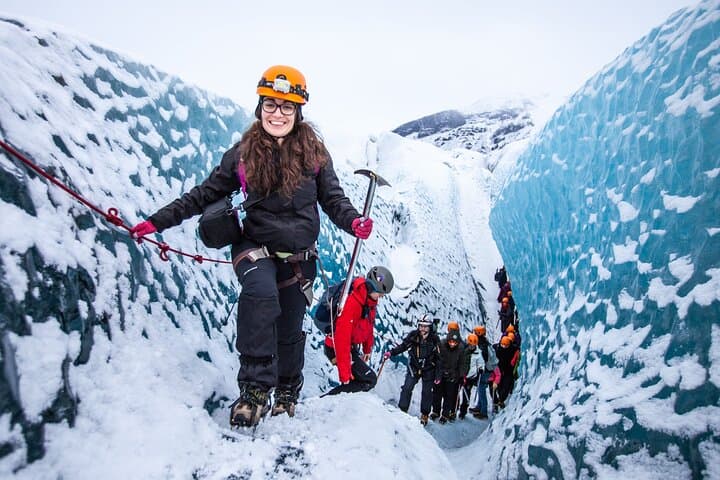
Beneath a sky of shifting light, Skaftafell’s ice reads like a map of time. This three-hour guided glacier hike mixes technical instruction with geology and culture: compact, safe, and unforgettable.