
What the day feels like
We left Reykjavík with the city’s sodium-orange glow shrinking in the rearview mirror and the island’s spare, volcanic silhouette rising ahead. The guide—quiet, steady, experienced—kept an eye on the sky and the apps that track cloud cover and geomagnetic activity. In the van, blankets and hot thermoses were arranged like small comforts against the cold: part hospitality, part survival. Outside, the night air had that mineral edge you only feel in places shaped by fire and ice. The aurora doesn’t arrive on schedule; it chooses an audience. This tour makes you ready when it does.
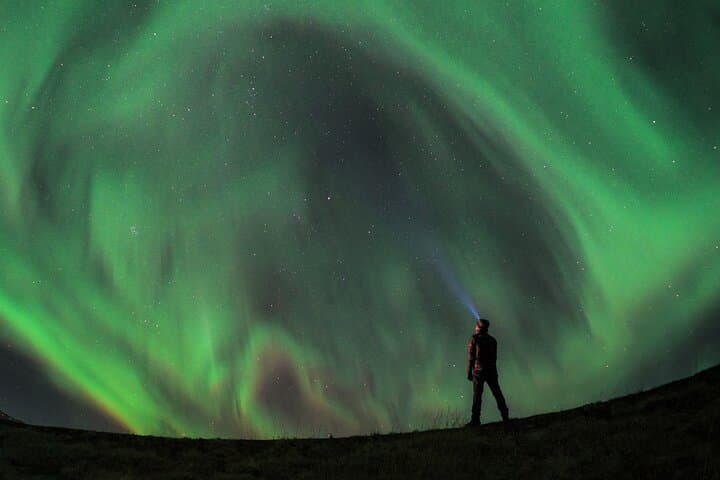
Hunting the Northern Lights in Iceland is equal parts patience, timing, and luck, and the private variant is a different animal from a group bus stop. You’re chauffeured away from light pollution—out past sleepy fishing hamlets, past mossy lava fields and black-sand flats—so the sky gets room to breathe. What you want is darkness, and Iceland gives it to you in spades. The aurora itself is physics that feels like magic: charged particles from the sun colliding with atmospheric gases, painting the night in ribbons of green, and, on rare, fierce nights, flecks of purple and blue. Colors map to altitude and gas type; green is most common, dancing at lower altitudes; blues and purples hint at deeper atmospheric drama.
There’s a geology lesson built into every stop. Iceland rides the Mid-Atlantic Ridge—volcanic seams that split the island, crack by crack. That geologic restlessness shapes the landscape you pass: basalt columns, steam vents, and fields of hardened lava that look like the surface of another planet under moonlight. Historically and culturally, the lights have threaded through Icelandic folklore, a spectacle woven into sagas and seasonal life. Local guides often tie a sighting to old lore and modern meteorology in the same breath—one eye on stories, the other on the forecast.
Practical advantages of a private tour are obvious: flexibility to chase clearer skies, to stop where the view is best, to take time for long-exposure shots without the pressure of a crowded deck. For photographers and small groups, that can make the difference between a photo and a portfolio piece. The trip runs about 4.5 hours, typically departing after dinner and returning in the wee hours. It’s not a hike or a climb; it’s a mobile, patient vigil—so physical demands are low, but exposure to cold is high.
There’s no guarantee of lights; auroras are a natural phenomenon. What you get, though, is curated access: knowledgeable pilots of weather and landscape who read cloud breaks and shift routes accordingly. The guides set up remote vantage points—sometimes by a sheltered fjord, sometimes on an empty runway or a black sand beach—places where the sky has the stage all to itself. Be prepared to stand, move, and be still in quick cycles. When the aurora arrives, everyone leans forward together: a communal hush, the camera shutters like soft percussion, and the sky rearranging itself into curtains and coronas.
Comfort matters. Pack layers that trap heat without bulk, bring a windproof shell, and choose footwear with traction for wet or uneven ground. Bring a tripod and warm gloves for camera controls. Your guide will offer tips—wide aperture, raised ISO, long exposure—but the private tour allows hands-on coaching as the lights shift. Expect to trade hot chocolate while an app forecasts the next surge.
This tour is for someone who wants an elevated, private experience—a personal hunt rather than a checkbox photo op. It’s a luxury in both logistics and price: private transport, flexible routing, and a guide whose whole job is to read the sky for you. For travelers who value time, space, and a shot at an unforgettable sky show, it’s worth the investment. For others, a group tour will still offer excellent chances, but without the tailored sensitivity to hourly conditions. Either way, the Northern Lights are a reminder that the planet still orchestrates its own spectacular moments, and that being present—and prepared—makes you part of the show.
Trail wisdom
Small choices, better day.
Dress in Layers
The open Icelandic night is bitter; use moisture-wicking base layers plus an insulated midlayer and windproof outer shell.
Bring a Tripod
Long-exposure aurora shots demand stability—smartphone mounts can work, but a real tripod is best for DSLRs.
Charge Warmers & Batteries
Cold drains batteries quickly—carry spares in an inner jacket pocket to keep them warm and functional.
Trust the Guide’s Route
Guides monitor cloud cover and aurora forecasts—be flexible and ready to chase clearer skies for better viewing.
Local knowledge
Read the place, not just the route.
Watch for native species including Arctic fox (rare), Seabirds along the coast.
Keep an eye out for wildlife during the transition between areas and habitats. Respect distance guidelines.
Choose operators that minimize light pollution and stick to established access points to protect fragile moss and bird habitats.
Follow the guide's instructions on size limits, ethical handling, and leave-no-trace practices.
Grótta Lighthouse—an easy coastal vantage near Reykjavík with minimal light spill. Þingvellir rural viewpoints—clear skies with a dramatic rift-valley foreground
Locally recommended viewpoints and quiet spots known best to local operators.
Iceland’s cultural memory is steeped in sagas and seafaring; aurora lore appears in folk tales as omens and celestial guides.
Maritime roots and regional tradition shape the waterways and working coasts.
Seasonal guide
Four versions of the same landscape.
Spring
Best forLonger nights early in season · Lighter roads for driving · Milder temperatures than mid-winter
ChallengesUnpredictable weather · Transitional daylight hours reduce dark window
Late winter to spring offers a shrinking but still viable dark window with somewhat milder conditions—good for photography if you catch clear nights.
Summer
Best forMidnight sun phenomena · Hiking and daytime adventures · Milder temperatures
ChallengesNo true darkness in June–July · Aurora sightings are rare due to daylight
Summer is unattractive for aurora hunting due to persistent daylight; plan other Icelandic activities instead.
Fall
Best forIncreasing darkness · Dynamic weather that clears skies · Good aurora activity starting in September
ChallengesUnstable early-season roads · Cold nights requiring warm gear
Autumn balances dark skies with more settled travel conditions—an excellent shoulder season for aurora chases.
Winter
Best forHighest auroral activity · Longest nights for viewing · Snow-covered landscapes enhance composition
ChallengesCold temperatures · Potential for road closures in storms
Winter is peak aurora season with long, dark nights—bring serious cold-weather gear and expect some weather-driven itinerary changes.
Operator details
What the booking data adds.
Included
- ✓Expert and fun-loving Guide
- ✓Tips on how to take the best pictures
Not included
- —Private expenses such as food
- —Tips or Gratuity (Not required in Iceland)
Good to know
- ✓Infants and small children can ride in a pram or stroller
- ✓Service animals allowed
- ✓Specialized infant seats are available
- ✓Suitable for all physical fitness levels
Pack with intention
What to bring.
Good to know
Common questions.
The private tour lasts about 4.5 hours (270 minutes), typically departing after dark and returning late at night.
Plan the edges
The details that make the day easier.
Reykjavík is the world’s northernmost capital of a sovereign state, and Iceland sits atop the Mid-Atlantic Ridge, creating the dramatic volcanic landscapes visible in the region.
After the tour, warm up in Reykjavík’s Old Harbour: try plokkfiskur (Icelandic fish stew) or a bowl of hearty lamb soup, then sample local brews at Skúli Craftbar or Kex Hostel’s cozy bar—both are good for swapping aurora stories with locals.
- Closest airport
- Keflavík International (KEF) ~45–60 min drive to Reykjavík; Typical departure from Reykjavík city center; Cell service is good near the city but intermittent at remote stops; No special permits required for aurora viewing; dress for cold and variable road conditions.
Minimize light pollution, stay on established roads and parking areas to protect delicate lava moss, and support local guides who practice low-impact access and respect wildlife habitats.
Explore by topic
Follow the threads.
Keep exploring
Make the story part of the trip.
In four hours you can move from shaded canyon ferns to wind-scoured coastal ridgelines, guided by someone who knows where the light—and the hidden views—live. This private half-day hike on the Monterey Peninsula or Big Sur is compact, curated, and perfect for travelers who want depth without a multiday commitment.
 Related story
Beneath a sky of shifting light, Skaftafell’s ice reads like a map of time. This three-hour guided glacier hike mixes technical instruction with geology and culture: compact, safe, and unforgettable.
 Related story
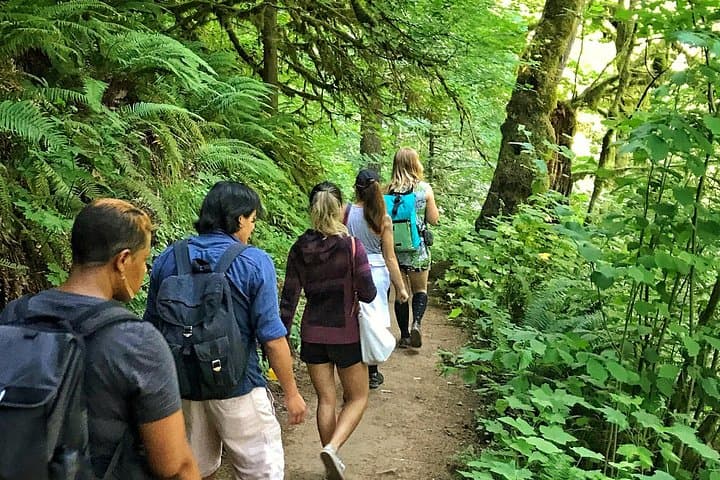
Lose the city for a few hours without leaving it: this 5-mile, 900-foot-gain Forest Park loop threads old-growth pockets, city viewpoints, and cultural landmarks for a compact taste of Portland’s wild side. Expect moss, roots, and stories.