
What the day feels like
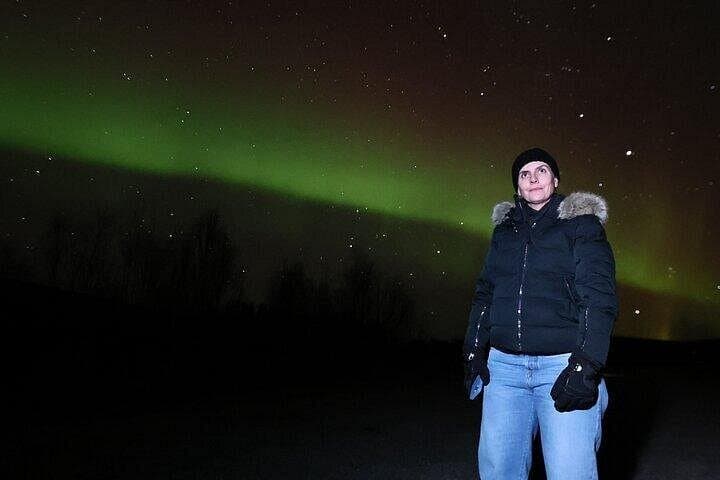
The bus slides out of town and the last pool of sodium light tightens into the rearview mirror. Night takes its time here—an Alaska kind of dusk that feels deliberate, like a curtain being drawn scene by scene. Out past the suburbs, trees stand like sentries and the Chena River gurgles in the dark, daring you to look up. It isn’t long before a low green glow ripples over the horizon, tentative at first, then gathering strength like a symphony tuning up. That’s when the guides ask everyone to step out, hoods up, breath visible in the cold. Cameras come alive; shutters click in a staccato that matches the Aurora’s quicksilver choreography.
This is the ritual of a Northern Lights Aurora Tour with Photography out of Fairbanks—four hours that reduce the night to a single, concentrated purpose: watch and photograph the sky. It’s not a passive sightseeing trip. The guides read weather models and satellite feeds, move off pavement toward dark vantage points, and coach photographers through long exposures and battery-saving tricks. Small groups mean fewer flashlights and more silence, and when the aurora unfurls—curtains, coronas, arcs that tear across the sky—you feel like you’re seeing something private and huge at once.
Fairbanks sits squarely under the Auroral Oval, the ring of frequent geomagnetic activity circling the poles. That geographic alignment, combined with long winter nights and relatively dry interior skies, makes this part of Alaska one of the most reliable places on Earth to observe the Northern Lights. The phenomenon itself is an age-old conversation between the sun and our atmosphere: charged solar particles collide with oxygen and nitrogen, releasing color and motion. Locally, the lights have threaded through indigenous Athabascan stories for generations, interpreted as spiritual presences and weather signs long before scientists put numbers to the sky.
The geology of the interior is quieter—rolling boreal forest, frost-heaved lakes, the occasional lava-baked ridge—yet it sets the stage. Wide, low horizons and minimal urban glow are what let the aurora show its full range. Chena Hot Springs, a half-hour drive east, has become a cultural waypoint for aurora chasers, offering warm-soak breaks after chilly vigils and a glimpse into local tourism that leans into the lights. Evenings in Fairbanks are simple: a quick meal, thermals on, and a patient readiness to move at the guides’ call.
For photographers, this tour is both classroom and darkroom. Guides teach core techniques—tripod setup, manual focus on infinity, selecting an aperture that balances star sharpness and auroral luminosity, and dialing shutter speeds from 5 to 20 seconds depending on the aurora’s movement. They also share pragmatic tricks: keep spare batteries warm in inner pockets, tape lens caps to avoid losing them in wind, and use a remote trigger to prevent camera shake. The tour’s small size means one-on-one instruction; they’ll help you frame the lights with foreground anchors like a silhouetted spruce or the soft shine of river ice.
Practicalities matter. The tour runs about four hours, starts after dark, and usually returns to Fairbanks by late night. The operators monitor geomagnetic activity and local weather constantly, changing vantage points if clouds or light pollution threaten. The base price (from $160) is an accessible entry point for something so technically rich and time-sensitive, and the booking is often instant with a free cancellation window—handy if weather models shift. If you want a dedicated photography experience with maximized chances, this is the kind of local-led, small-group outing that delivers.
Beyond cameras and coordinates, there’s a rhythm to aurora chasing that’s both meditative and scientific. You learn to read the sky: a faint band bolting up through the Milky Way often preludes a stronger storm; curtains that ripple quickly demand shorter exposures; slow green arcs allow for more dramatic landscape composition. Guides will sometimes pull the vehicle to a dark pullout, point to a star map, and explain how solar winds fold into visible light. It’s travel that layers natural history over tactile learning.
Who should go? Anyone comfortable with cold nights and a bit of waiting. You don’t need to be a pro to come away with great images—only a willingness to learn, a camera you can set manually, and the right gear. And if the lights don’t perform? The trip still delivers: starlit solitude, an introduction to Alaskan winter culture, and the quiet thrill of standing in a landscape that feels slightly larger than usual.
If you’re planning, consider timing (late winter and early spring often balance clearer skies with intense auroral activity), layer for Arctic night temperatures, and book with an experienced local operator who reads the sky for a living. A good starting point to compare operators and reserve a photo-focused chase is the local expert listing for Fairbanks Aurora tours: <a href="https://app.advcollective.com/local-experts/fairbanks-northern-lights-aurora-tour-with-photography-small-group-night-sky-chase">Fairbanks Northern Lights Aurora Tour with Photography</a>. Whether you come for the shutter click or the slow, wild theater of the sky, the Arctic night is made for looking up.
Trail wisdom
Small choices, better day.
Dress in layers
Temperatures can plunge quickly; use a moisture-wicking base, insulating mid-layer, and windproof outer shell.
Bring spare batteries
Cold drains batteries fast—keep spares warm in inner pockets and rotate them into your camera.
Use a sturdy tripod
Long exposures need stability; a low-profile tripod helps in wind and on uneven ground.
Follow the guide’s light etiquette
Avoid phone flash and headlamp glare that ruin night exposures for the group.
Local knowledge
Read the place, not just the route.
Watch for native species including Snowshoe hare, Moose (more common near roads at night).
Keep an eye out for wildlife during the transition between areas and habitats. Respect distance guidelines.
Limit light pollution by avoiding unnecessary flashes and respecting private land; pack out all waste and stay on established pullouts to protect tundra and fragile vegetation.
Follow the guide's instructions on size limits, ethical handling, and leave-no-trace practices.
Chena Hot Springs scenic pullouts (for warm-soak recovery). Small roadside pullouts with birch silhouettes for foreground composition
Locally recommended viewpoints and quiet spots known best to local operators.
The area’s Athabascan communities have long-held cultural stories about the lights; Fairbanks later developed aurora-focused tourism in the 20th century as scientists and photographers documented frequent displays.
Maritime roots and regional tradition shape the waterways and working coasts.
Seasonal guide
Four versions of the same landscape.
Spring
Best forLate-night photography · Longer clear windows · Milder temperatures than mid-winter
ChallengesVariable cloud cover · Mud during thaw
Late winter to early spring often yields crisp nights and strong auroral activity, with slightly warmer temperatures than deep winter.
Summer
Best forMidnight sun experiences (no auroras) · Daylight outdoor activities
ChallengesAuroras are not visible during the midnight sun · Short nights
Summer is beautiful in Interior Alaska but not suitable for aurora viewing due to continuous daylight.
Fall
Best forEarly-season auroras · Fewer tourists · Colorful landscapes during dusk
ChallengesUnpredictable early snowstorms · Shortening daylight complicates logistics
Fall brings the beginning of aurora season—cool nights and shifting weather patterns make planning important.
Winter
Best forPeak aurora activity · Clear, dark skies · Classic winter ambiance
ChallengesExtreme cold, deep snow · Road conditions can be challenging
Winter is prime aurora season with long nights and frequent displays, but requires the best cold-weather preparation.
Operator details
What the booking data adds.
Included
- ✓photography serveries
- ✓Driver/guide
- ✓snacks and water
Not included
- —Gratuities
Good to know
- ✓Suitable for all physical fitness levels
Pack with intention
What to bring.
Good to know
Common questions.
The tour is approximately 4 hours from departure to return, typically starting after dark.
Plan the edges
The details that make the day easier.
Fairbanks lies beneath the Auroral Oval, making it one of the most consistently active places on Earth for Northern Lights displays.
After a chase, warm up at a local favorite like The Pump House Restaurant & Saloon for riverside fare or head north to Silver Gulch Brewing in Fox for a beer—both offer a slice of Interior Alaska hospitality and stories from the trail.
- Closest airport
- Fairbanks International Airport (FAI)
- Typical driving from downtown
- 10–40 minutes to staging points
- Cell service
- Good in town, patchy at remote pullouts
- Permits
- None required for most roadside locations
Minimize light pollution and disturbance—stay on designated pullouts, pack out all trash, and avoid trampling tundra vegetation.
Explore by topic
Follow the threads.
Keep exploring
Make the story part of the trip.
Set out from Bass Harbor for a private, customizable day on Blue Hill Bay — lighthouses, puffins, seals, and the chance to feel Acadia from the water. Small groups, local captains, unforgettable views.
In four hours you can move from shaded canyon ferns to wind-scoured coastal ridgelines, guided by someone who knows where the light—and the hidden views—live. This private half-day hike on the Monterey Peninsula or Big Sur is compact, curated, and perfect for travelers who want depth without a multiday commitment.
 Related story
Beneath a sky of shifting light, Skaftafell’s ice reads like a map of time. This three-hour guided glacier hike mixes technical instruction with geology and culture: compact, safe, and unforgettable.