
What the day feels like
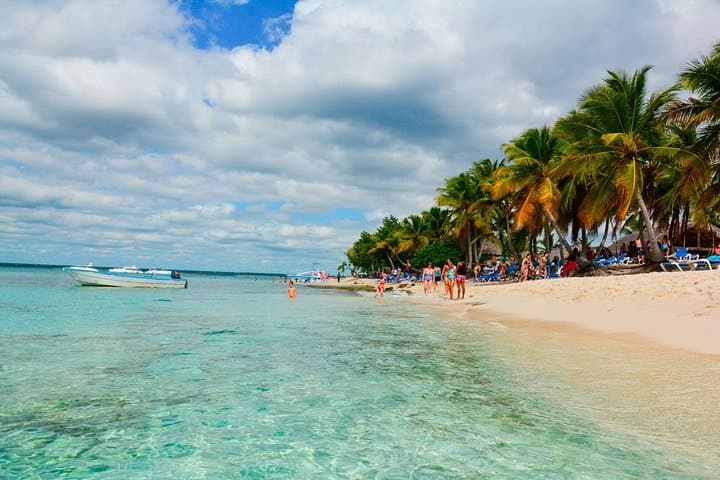
You step off the skiff and the island announces itself in a language of color: turquoise shallows that blur into cobalt, a rim of bleached sand so white it temporarily rearranges the idea of light. The boat engine idles like a polite conversation while the water—clear and insistent—dares you to lean in. On Catalina Island, a day can be as simple and as vivid as breathing: strap on a mask, push off, and the reef answers. Parrotfish file past like living confetti, sergeant majors hold their station above rocky ledges, and spiny urchins stud out of coral as if pinning the seascape together.
This is not a remote expedition; it is a close encounter with the Caribbean’s living architecture. Catalina Island lies off the southeast coast of the Dominican Republic near Bayahibe and La Romana. Its coral gardens are part of a larger karst and reef system that formed on uplifted limestone—ancient skeletons of animals and algae solidified into the platforms that now shape the shore. The island sits in or adjacent to Parque Nacional del Este (East National Park), a protected region with mangroves, seagrass beds, and reefs that support both fishermen and tour operators in nearby villages.
History is stitched into the place. The Taino people paddled these waters long before the Spanish arrived; later, the coast’s economy pivoted around sugar and fishing, shaping towns like Bayahibe into the small, working communities they remain today. Today’s boat captains are heirs to that seam—skilled with wind and wave, fluent in currents and tides, and eager to show visitors the best snorkel spots while balancing the realities of tourism and conservation.
The trip sold through Punta Cana typically runs about nine hours from pickup to drop-off. That clock includes a 30–60 minute boat ride, multiple snorkel stops over reefs and swim-throughs, a stretch of soft sand for a beach lunch, and time to float in the shallow lagoon where waves lap in rhythm with the palms. At around $82 per person on many operators, it’s a full-day introduction to Caribbean reef ecology and island culture—accessible to families and first-time snorkelers but also satisfying to seasoned travelers who want easy, reliable access to healthy coral.
On the practical side: the snorkeling itself is low-elevation but high-payoff. There’s no serious hiking or technical gear; the physical demand is moderate—enough to get your pulse up while swimming between coral bommies and the shore. Boat-based currents can pick up, so operators time many trips for the mornings when the sea is flatter and light filters through the water best. Expect a mix of shallow reef gardens (1–6 meters) and deeper drop-offs adjacent to the island—both teeming with life.
Local guides will brief you on reef etiquette: no touching coral, no standing on it, and please—no chemical sunscreens that harm symbiotic algae. Bring a reef-safe SPF, tie back loose gear, and respect the quiet rhythms of fishermen who use this coastline daily. The island’s natural systems are resilient but stressed: coral bleaching events and storm damage have scarred reefs across the Caribbean, and careful tourism helps fund local conservation.
How do you get the most from a Catalina day? Book an operator that includes small-group snorkeling, clear departure times from Bayahibe, and a balanced itinerary—two solid snorkel stops, a beach break, and a return window that keeps you off the water as winds tend to rise. Bring your own mask and snorkel if you can; rental kits are fine but often fog or fit issues cost you time in the water. A lightweight, quick-dry shirt and reef shoes are worth their weight in comfort for walking over sharp coral rubble as you board and disembark.
Beyond the snorkel, plan your post-trip meal in Bayahibe or La Romana. Fresh fish, coconut-stewed rice, and cold beer taste better after salt and sun. If you have a spare afternoon, detour to Altos de Chavón, a reconstructed 16th-century Mediterranean-style village perched above the Chavón River—an aesthetic counterpoint to the island’s wildness and a good place to watch the sunset.
Catalina’s appeal is direct: it’s a place built for sensory return. The reef isn’t a postcard; it’s a neighborhood with characters—squid that vanish like a curtain, angelfish that hover like stained glass, and nurse sharks that sometimes nap in sandy hollows. For travelers who want a day with high visual payoff, modest exertion, and a dose of local culture, Catalina Island is a reliably rewarding choice—especially when approached with respect for the living reef beneath the surface.
Trail wisdom
Small choices, better day.
Morning departures are smoother
Book an early boat—mornings usually mean flatter seas, better light for snorkeling, and calmer currents.
Bring your own snorkel kit
Personal masks fit better and fog less; rentals are convenient but sometimes ill-fitting.
Use reef-safe sunscreen
Choose mineral-based SPF to protect coral ecosystems—apply before boarding and wear a UV shirt.
Watch your footing during boarding
Boat decks and coral rubble can be slippery—reef shoes make getting in and out easier and protect bare feet.
Local knowledge
Read the place, not just the route.
Watch for native species including Hawksbill and Green Sea Turtles, Colorful reef fish like Parrotfish and Queen Angelfish.
Keep an eye out for wildlife during the transition between areas and habitats. Respect distance guidelines.
Reefs are stressed by warming oceans and tourism; choose operators who follow reef-safe guidelines and support conservation fees.
Follow the guide's instructions on size limits, ethical handling, and leave-no-trace practices.
Small snorkel coves west of the main beach with shallow seagrass flats. Early-morning Bayahibe fish market—catch the local scene before boats depart
Locally recommended viewpoints and quiet spots known best to local operators.
Catalina sits near historical Taino territories and fishing communities that later interfaced with Spanish colonial trade and local sugar economies.
Maritime roots and regional tradition shape the waterways and working coasts.
Seasonal guide
Four versions of the same landscape.
Spring
Best forCalmer seas · Clear water · Wildlife spotting
ChallengesIntermittent rain showers · Variable boat schedules
Spring (March–May) is part of the dry-to-wet shoulder with generally clear water and pleasant temperatures—ideal for snorkeling.
Summer
Best forWarm water · Long daylight · Good fish activity
ChallengesHigher humidity · Tropical storms possible (June–Nov)
Summer brings warm seas and active reefs but also increased humidity and a higher chance of tropical disturbances.
Fall
Best forFewer crowds · Warm water · Off-peak pricing
ChallengesHurricane season peaks · Choppy seas possible
Fall is quieter on land but carries hurricane-season risk—monitor forecasts and choose flexible bookings.
Winter
Best forDry weather · Stable seas · Peak visibility
ChallengesHigher tourist numbers · Bookings fill fast
Winter (Dec–Apr) is the prime season: dry, clear, and reliable—reserve space early for the best operators.
Operator details
What the booking data adds.
Included
- ✓Buffet lunch Alcoholic and non-alcoholic drinks
Not included
- —Gratuities
Good to know
- ✓Not recommended for travelers with spinal injuries
- ✓Not recommended for pregnant travelers
- ✓Not recommended for travelers with poor cardiovascular health
- ✓Suitable for all physical fitness levels
Pack with intention
What to bring.
Good to know
Common questions.
Most operators run a 30–60 minute boat transfer from Bayahibe; from Punta Cana plan about 60–90 minutes by vehicle to the departure point.
Plan the edges
The details that make the day easier.
Catalina Island lies within or adjacent to Parque Nacional del Este (East National Park), a protected area established in 1975 to conserve coastal and marine ecosystems.
After a day on the reef, head to Bayahibe for fresh pescado frito, coconut rice, and a cold Presidente beer; if time allows, visit Altos de Chavón near La Romana for arts, crafts, and a sunset view over the Chavón River.
- Closest airports
- Punta Cana International (PUJ) or La Romana (LRM). Typical driving time to Bayahibe: 45–90 minutes from Punta Cana. Cell service: good onshore, intermittent offshore. Permits: national park fees may apply—confirm with operator and expect ID requirements.
Use reef-safe sunscreen, avoid touching or standing on coral, take all trash off the island, and choose operators who contribute to local conservation efforts.
Explore by topic
Follow the threads.
Keep exploring
Make the story part of the trip.
Set out from Bass Harbor for a private, customizable day on Blue Hill Bay — lighthouses, puffins, seals, and the chance to feel Acadia from the water. Small groups, local captains, unforgettable views.
In four hours you can move from shaded canyon ferns to wind-scoured coastal ridgelines, guided by someone who knows where the light—and the hidden views—live. This private half-day hike on the Monterey Peninsula or Big Sur is compact, curated, and perfect for travelers who want depth without a multiday commitment.
 Related story
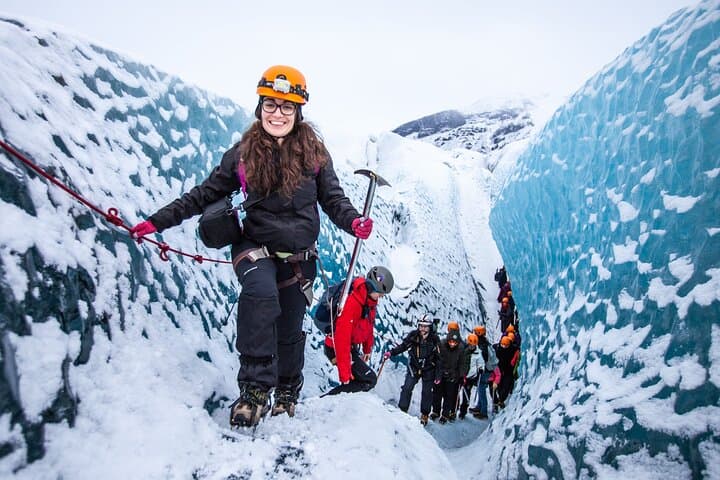
Beneath a sky of shifting light, Skaftafell’s ice reads like a map of time. This three-hour guided glacier hike mixes technical instruction with geology and culture: compact, safe, and unforgettable.