
What the day feels like
Dawn comes thin and bright at 9,600 feet. The Tenmile Range takes a breath, exhaling cool air over Breckenridge as the town’s wooden boardwalks creak awake. Your guide points you toward a pine-shadowed trailhead where the path slips into a hush of lodgepole and spruce. The forest asks for a quieter step; the creek chatters anyway, shouldering past boulders like it can’t wait to get to the Blue River. Above, a jay heckles the morning while the sun finds you in shards through the trees.
This is Breckenridge in hiking mode—unhurried, yet driven by the mountain’s steady pulse. A 2–3 hour guided wander is enough to taste it all: wildflowers shoulder-tall in July, tannin-dark wetlands where moose write their own rules, glints of history in weathered timbers and rusted cables. With a local along, the mountain becomes a conversation. Routes flex with the day: a mellow loop near Cucumber Gulch if wildlife and wetlands call, or a bit more elevation on a forested ridge for views that roll straight to the Continental Divide. It’s approachable, even for families, but it’s not flat. The trail lifts you, sure-footed, inviting your lungs to learn the tempo of thin air.
Geology puts its fingerprints everywhere. The Tenmile Range, carved by ice and time, rises in granite ribs and cirques that hold snow well into summer. Glacial valleys cradle the town and its trail network, and the peaks keep a loyal eye on your progress. Underfoot, granitic grit scuffs your soles; on the slopes, subalpine fir and aspen trade places with pocket meadows where columbine, Indian paintbrush, and sky pilot punch color into the high country. In fall, the aspens throw their annual party—gold coins quivering on every breeze as if the hills remember the very thing that sparked this town: a rush for real gold.
History still rides the ridgelines here. Breckenridge grew up fast in 1859, a mining camp that learned to last. Follow the right trail and you’ll pass a cabin ruin leaning into the slope, a relic of the hard-rock era. The old Sallie Barber Mine still frames the skyline on some outings, its ore house skeletal and stoic against the blue. Guides fold these stories into the walk—the narrow-gauge rail grades, the boom-and-bust winters, the years when Breckenridge was accidentally left off U.S. maps and locals called it the “Kingdom of Breckenridge.” The past is not a museum; it’s a companion.
Wildlife prefers that you keep your voice down. Moose love the willows and marshes in and around Cucumber Gulch, a preserve that asks hikers to stay on the boardwalks and give animals room. Beavers pen their ambition behind fresh-chewed aspens. Marmots whistle from talus gardens. Hawks etch circles high above. At altitude, the sun comes at you with conviction and the weather writes its own plot twist. Summer afternoons often marshal thunderheads with startling speed; that’s why an early start is king. The mountain doesn’t fawn over drama—it rewards simple preparation: water, layers, good soles, an eye on the sky.
You don’t need a heavy pack or alpine resume for this outing. You do need curiosity, a steady pace, and patience for thin air. If you’re coming from sea level, consider a gentle arrival day before your hike; your lungs will thank you. A local guide will right-size the day to your group, adjusting distance and elevation so kids, grandparents, and mile-crushers all end the walk with the good kind of tired. If conditions shift—mud in spring, a sudden squall in July, early frost in September—they know the alternate lines, the shaded shortcuts, and the meadows that stay wind-kissed but calm.
And because the best trips blend inspiration and utility, this walk keeps both in view. You’ll learn why willows root the wetlands, why tundra deserves your boots off its fragile crust, why a simple switchback is an act of conservation. You’ll also snag a few local tricks: where to hop a free bus to a trailhead, which side of town holds shade in late afternoon, how to spot a moose without becoming part of its story. If you want a set-it-and-go plan with built-in flexibility, a <a href="https://app.advcollective.com/local-experts/explore-breckenridges-scenic-trails-on-a-guided-local-hike">guided local hike in Breckenridge</a> is the cleanest line to a memorable morning.
The finale might be a shaded bench with a big-mountain reveal or a quiet overlook where town sounds sift up like distant surf. Either way, the return feels easier, the trail easing its grade as if it’s happy you came. Pines release their resin into the bright air. The creek keeps talking. Back on Main Street, boots dusty and shoulders warmed through, you’ll feel that specific contentment only a good mountain walk delivers: the sense that the day has already earned its meal. If you’re still deciding whether to lace up here, consider this your nudge. The Tenmile Range has extended an invitation. All you have to do is step in.
Ready to plan? Start with this straightforward option and let a local lead the way: <a href="https://app.advcollective.com/local-experts/explore-breckenridges-scenic-trails-on-a-guided-local-hike">Explore Breckenridge’s scenic trails on a guided local hike</a>.
Trail wisdom
Small choices, better day.
Start Early, Beat the Storms
Summer thunderstorms often build after noon. Begin by 8–9 a.m. to enjoy calmer skies and cooler temps.
Respect Moose Distance
If you spot a moose, give it at least 100 yards and never step off boardwalks in wetland areas like Cucumber Gulch.
Hydrate at Altitude
At 9,600 feet and higher, carry at least 1–2 liters of water and sip regularly to stay ahead of dehydration.
Trail Etiquette Matters
Hikers going uphill have the right of way; step aside safely, and keep dogs leashed where required.
Local knowledge
Read the place, not just the route.
Watch for native species including Moose, Marmot.
Keep an eye out for wildlife during the transition between areas and habitats. Respect distance guidelines.
High-alpine and wetland ecosystems are fragile—stay on designated trails and boardwalks, pack out all trash, and avoid stepping on tundra vegetation.
Follow the guide's instructions on size limits, ethical handling, and leave-no-trace practices.
Cucumber Gulch Preserve boardwalks for early-morning wildlife viewing. Sallie Barber Mine overlook for a quick hit of history and views
Locally recommended viewpoints and quiet spots known best to local operators.
Breckenridge boomed during the 1859 Colorado Gold Rush; old mine sites and rail grades still thread through the hills.
Maritime roots and regional tradition shape the waterways and working coasts.
Seasonal guide
Four versions of the same landscape.
Spring
Best forQuiet trails · Snowmelt cascades
ChallengesMud season conditions · Occasional wildlife closures
Expect patchy snow and muddy sections; some areas like Cucumber Gulch may have seasonal closures to protect wildlife.
Summer
Best forWildflowers · Long daylight
ChallengesAfternoon thunderstorms · Crowded trailheads
Peak hiking season brings lush meadows and reliable temperatures. Start early to avoid storms and parking crunches.
Fall
Best forAspen color · Cool, crisp mornings
ChallengesChilly evenings · Early snow at higher elevations
September and early October offer gold-drenched aspens and clear air. Layer up and watch for icy patches in shade.
Winter
Best forSnowy scenery · Quiet forests
ChallengesIcy trails · Cold temperatures
If trails are packed, traction devices help. Snowshoes may be necessary after storms; check current conditions before heading out.
Pack with intention
What to bring.
Good to know
Common questions.
Routes vary by group and conditions, but plan on 2–4 miles with 300–800 feet of elevation gain over 2–3 hours.
Plan the edges
The details that make the day easier.
Breckenridge was nicknamed the “Kingdom of Breckenridge” after it was accidentally left off U.S. maps for decades, a quirk locals embraced until it was officially corrected in 1936.
Post-hike, grab a pint at Breckenridge Brewery & Pub, snag tacos on the patio at Rita’s, or refuel with a hearty brunch at Cabin Juice. Stroll Main Street’s galleries and the Breckenridge Welcome Center museum to tie the day’s trail tales to town lore.
- Closest major airport
- Denver International (DEN), ~105 miles (2–2.5 hours) via I‑70 and CO‑9. Eagle County (EGE) is ~63 miles. Most trailheads sit 5–15 minutes from Main Street. Cell service is decent in town and spotty in gullies. No permits required for typical day hikes, but some trailheads have parking fees or seasonal restrictions—check local updates before you go.
Wetlands like Cucumber Gulch protect moose and migratory birds—stay on boardwalks and keep dogs out where restricted. Practice Leave No Trace and step around alpine vegetation; a single footprint can take years to heal at elevation.
Explore by topic
Follow the threads.
Keep exploring
Make the story part of the trip.
 Related story
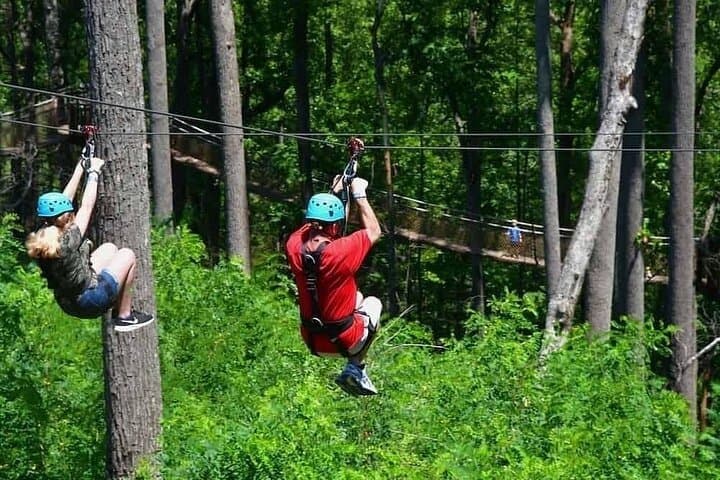
Less than two hours from Nairobi, Kereita Forest pairs hands-on canopy adventure with quiet montane trails and a sobering colonial history—perfect for families, teams, and curious travelers seeking a full-day pulse of nature.
Set out from Bass Harbor for a private, customizable day on Blue Hill Bay — lighthouses, puffins, seals, and the chance to feel Acadia from the water. Small groups, local captains, unforgettable views.
In four hours you can move from shaded canyon ferns to wind-scoured coastal ridgelines, guided by someone who knows where the light—and the hidden views—live. This private half-day hike on the Monterey Peninsula or Big Sur is compact, curated, and perfect for travelers who want depth without a multiday commitment.