
What the day feels like
The first pedal feels like an exhale. You and your ebike leave Bodø’s sodium-lit streets and slip along a coastal ribbon where the fjord drafts cold air across your face. The ride is easy—8 kilometers on a gravel-and-seaside road that lets the motor pick up slack while you drink in the low, northern light. At the end of the road, the world opens: Ausvika, a narrow beach where wind and surf keep company and a small dome of sky seems to hang closer to the ground. This is where the night can surprise you. The aurora does not ask for much—only dark skies, electrically active sun, and the patience to wait by a fire. Here, the camp waits with a crackling bonfire and hot drinks, a simple human ritual against a cosmic performance.
There is a pragmatic choreography to the evening. The official itinerary pairs an easy eBike approach with a brief 1.5 km coastal hike—enough to stretch legs and change perspective—then settles the group on the sand. Guides scout auroral forecasts and weather; the operator only runs the tour when conditions merit it, and they offer full refunds if canceled. In the Arctic, good sense is an amenity. Road conditions in winter can require a car to reach the meeting point; organizers note this up front, and the small-group format feels local rather than theatrical.
Geology and history sit quietly in the scene. Ausvika’s shoreline is carved by glacial tides and wind, its pebbles polished by centuries of winter storms. The broader Bodø region is an archipelago-cut landscape—fjord mouths, skerries, and rocky points—where settlement patterns are shaped by the sea. During World War II, Bodø was heavily bombed and rebuilt; today its rebuilt harbor hums with fishing boats alongside a new cultural energy. The town sits just above the Arctic Circle, the same latitude that gives you the chance to see both the midnight sun and the aurora in different seasons.
The aurora is the show, but it’s not a spectacle divorced from place. The Northern Lights are solar wind made visible: energized particles tune themselves to Earth’s magnetic field and collide with oxygen and nitrogen high above, painting greens and magentas that move like living curtains. On Ausvika’s black-sand stage, the lights feel nearer. The sound of waves becomes part of the score—push and hush—while the bonfire keeps the group warm and rooted in the human scale of the night.
Why do this over driving to remote lookouts? The tour’s promise is twofold: the ride itself is an approachable Arctic entry, and the local focus reduces needless travel and emissions. It’s for people who want to be outside without spending hours in a heated van chasing a forecast. Instead of a long-distance hunt, you get a concise evening that blends motion, coastline, and the potential for one of nature’s more ineffable shows.
Practicalities matter here. The full experience is about three hours—ride, short hike, and camp—and it’s best suited for people comfortable on ebikes and able to walk a short sandy trail. Dress in layers: Arctic nights are honest about temperature swings. Bring a headlamp, insulated drinkware, and footwear that can handle beach sand and frozen gravel. Guides provide guidance on safety and local fire rules for beach bonfires; follow them and respect the shoreline.
The tour is compact travel wisdom—a guided micro-adventure that fits between dinner and bed but leaves a lasting impression. Expect small groups, waterproof shells, the smell of fire, and the buoyant hush of people looking up. If the aurora arrives, it rewards patience: a slow unfurling that becomes urgent, sweeping bright bands and ripples across the sky. If it’s a quiet night, the place still offers value: crisp sea air, a battery-assisted ride under open sky, and a campfire that feels designed to slow you down.
For photographers, this trip offers a clear, stable foreground (the shoreline and fire) to anchor long exposures. For anyone chasing the lights, learn the basics of aurora forecasts but accept that luck and timing matter. The operators’ decision to run only under favorable conditions increases the odds of a memorable night but doesn’t guarantee it—this is nature, after all.
In short, this is an evening for people who want an accessible Arctic moment: not a long, expensive expedition, but a carefully staged encounter with the sea, the sky, and a small human fire that keeps you warm while the universe puts on a show.
Trail wisdom
Small choices, better day.
Dress in Layers
Temperatures can drop quickly on the coast; pack a windproof shell and an insulated midlayer to stay comfortable while waiting by the fire.
Bring a Headlamp
A hands-free light helps during the 1.5 km hike and when adjusting camera gear at night.
Protect Your Camera Battery
Cold drains batteries fast—keep spares warm and in an inner pocket until you need them.
Follow Fire Safety Rules
Bonfires on beaches may be regulated—obey guides, avoid driftwood removal, and fully extinguish embers.
Local knowledge
Read the place, not just the route.
Watch for native species including Sea eagles, Harbor seals.
Keep an eye out for wildlife during the transition between areas and habitats. Respect distance guidelines.
Operators minimize travel and only run tours under suitable conditions; guests should follow leave-no-trace practices and avoid beach vegetation and nesting areas.
Follow the guide's instructions on size limits, ethical handling, and leave-no-trace practices.
Keiservarden viewpoint for a daytime panorama over Bodø. Small skerries and tidal pools near Ausvika for low-tide exploration
Locally recommended viewpoints and quiet spots known best to local operators.
Bodø was extensively rebuilt after World War II and today mixes maritime heritage with contemporary cultural initiatives, reflecting centuries of life shaped by the sea.
Maritime roots and regional tradition shape the waterways and working coasts.
Seasonal guide
Four versions of the same landscape.
Spring
Best forLonger daylight for exploring · Early-season aurora viewing · Quieter trails
ChallengesUnstable snow patches · Variable temperatures
Late spring nights can still produce aurora while days lengthen—expect mixed weather and wet conditions near the shore.
Summer
Best forExtended daylight experiences · Milder temperatures · Cycling routes open
ChallengesNo aurora visibility (midnight sun) · Mosquitoes in some areas
Summer is excellent for the eBike ride but not for aurora viewing due to the midnight sun; the coastal scenery is at its greenest.
Fall
Best forEarly aurora season · Crisp air and clear nights · Less crowded tours
ChallengesRapidly cooling temperatures · Unpredictable storms
Autumn balances accessible weather with increasing auroral activity—pack warm layers for evening sessions.
Winter
Best forPeak aurora potential · Snow-dusted landscapes · Stark coastal beauty
ChallengesIcy roads may require a car · Short daylight hours
Winter offers the highest chance of strong Northern Lights but expect cold nights and possible road delays due to snow and ice.
Pack with intention
What to bring.
Good to know
Common questions.
The experience includes an 8 km easy eBike ride followed by a 1.5 km coastal hike; total event time is approximately three hours.
Plan the edges
The details that make the day easier.
Bodø lies just north of the Arctic Circle (about 67.28°N) and was named European Capital of Culture in 2024.
After the tour, head back to Bodø’s harbor for fresh Arctic seafood at a waterfront cafe, or find a local pub offering craft beers brewed with northern botanicals; if time allows, hike to Keiservarden for sunrise views over the islands.
- Closest airport
- Bodø Airport (BOO)
- Trailhead
- short drive from Bodø center (approx. 15–25 minutes, 10–20 km). Cell service: generally good in Bodø and along main roads, intermittent at remote beaches. Permits: none required for this private tour; follow local fire regulations.
This small-group tour minimizes long-distance vehicle travel. Guests should avoid collecting driftwood, pack out all waste, and respect local fire rules to protect coastal habitats.
Explore by topic
Follow the threads.
Keep exploring
Make the story part of the trip.
In four hours you can move from shaded canyon ferns to wind-scoured coastal ridgelines, guided by someone who knows where the light—and the hidden views—live. This private half-day hike on the Monterey Peninsula or Big Sur is compact, curated, and perfect for travelers who want depth without a multiday commitment.
 Related story
Beneath a sky of shifting light, Skaftafell’s ice reads like a map of time. This three-hour guided glacier hike mixes technical instruction with geology and culture: compact, safe, and unforgettable.
 Related story
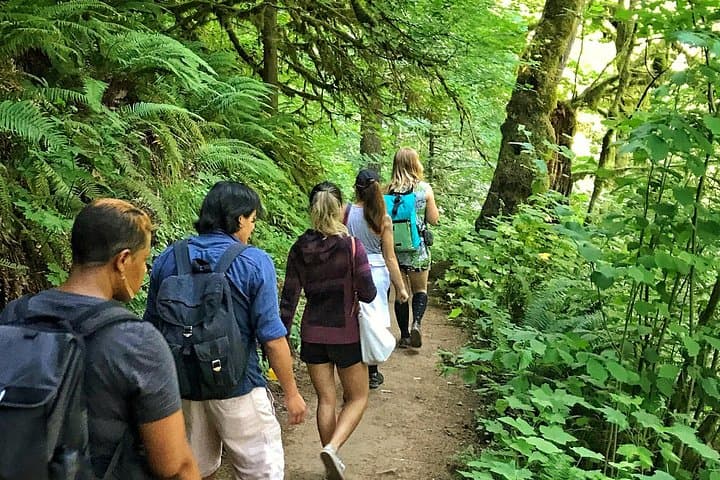
Lose the city for a few hours without leaving it: this 5-mile, 900-foot-gain Forest Park loop threads old-growth pockets, city viewpoints, and cultural landmarks for a compact taste of Portland’s wild side. Expect moss, roots, and stories.