
What the day feels like
The first engine growl arrives like a promise: low, steady, designed for cold. You tighten your goggles, feel the sled's vibration through your gloves, and inhale a sky so clear it seems to peel the world into high definition. Snow spits off the trail and the forest opens into a light-dazzled plain—this is Lapland in winter, where the day stretches broad and the small things stand out: the crisp rasp of wind through spruce, the steam of a dog’s breath, the bell clinking on a reindeer's harness. In one six-hour sweep you move from the speed of a snowmobile to a husky’s urgent pull and then the gentle sway of a reindeer sledge, each mode revealing a different rhythm of the Arctic.
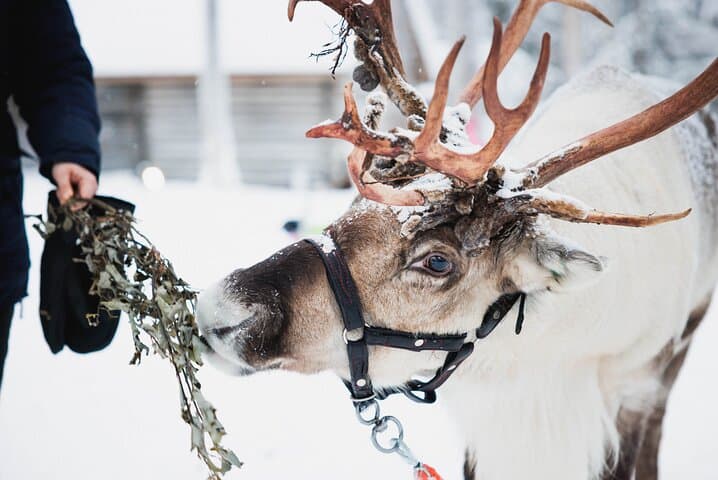
This tour, a carefully paced loop out from Rovaniemi, does more than tick adventure boxes: it stitches together transportation, tradition and animal-powered culture in a single morning and afternoon. The snowmobile leg—about an hour on maintained trails through boreal forest—opens the map of the land. Guides teach basic handling and safety before you go; once on the trail you get a sense of the subtle art of reading winter: where the snow softens, where crust can catch skis or tracks, how to angle throttle against crosswinds. After the roar, the tempo drops; at the reindeer farm you slide into a 500-meter sledge ride and a short private lesson on reindeer herding culture culminating in a playful certificate—your own reindeer sledge driver’s license.
The day finishes with Alaskan huskies and an 800-meter sled run that feels less like a ride and more like a negotiation: you must learn the dogs’ cues, trust their urgency and match your commands to their speed. Huskies are athletes with personalities; they will tug, nudge and stare, and the best guides let you feel that exchange rather than treating it as a spectacle. Along the way, local herders and guides explain livelihoods—how reindeer husbandry threads through Sami identity, how forests and seasons govern migratory patterns, and how modern herding balances tradition with tourism. Those conversations, more than Instagram-perfect vistas, linger.
Geologically, you’re in the taiga-peatland transition zone: flat to undulating terrain with a mosaic of frozen bogs and pine-clad ridgelines. The Arctic Circle is a line of latitude but also a cultural marker here—Rovaniemi brands itself around that invisible belt, and you'll notice the branding at the edges of the experience. Historically, reindeer husbandry is among the oldest forms of land use in northern Fennoscandia; the Sami people adapted to seasonal cycles long before snow machines existed. Today's tour sits at that intersection—machines and sleds, guides who tell old stories and also know modern safety protocols.
Practicalities matter as much as the pictures. The whole outing lasts roughly six hours; snowmobile time is one hour, with short transfers to the animal farms and time to warm up, eat, and hear stories. Operated year-round in winter conditions, the tour provides winter clothing and snowmobile training—still, come prepared with moisture-wicking base layers and midweight insulation. If you’re new to snowmobiles, expect a short instructor-led lesson; if you’re an experienced rider, you can still savor the guide-led route choices that maximize views and safety. The activity is family-friendly but requires reasonable mobility: you’ll mount sleds, stand on runners, and walk short, sometimes slippery sections.
Safety and stewardship go hand in hand. The animals are working dogs and farmed reindeer—treat them with clear, calm hands and follow guides’ instructions. Stick to designated trails to protect fragile winter vegetation and avoid open water. If you want to deepen the cultural layer, ask about Sami perspectives; many guides will share stories and point you toward local cultural centers.
For travelers, this trip is an accessible way to taste Arctic variety without committing to a multiday expedition. Photographers will want a fast lens for dogs-in-motion and a wide lens for landscapes; bring spare batteries—cold drains them fast. Timing matters: late winter (February–March) offers long days, stable snow and blue skies with the best odds for crisp, snowy conditions. If your goal is seeing the Northern Lights, schedule your trip in the evening or pair it with a nighttime outing—this day tour focuses on daylight adventure.
Why book it? Because it compresses the Arctic’s big themes into a single, well-run experience: speed and silence, animal culture and motorized mobility, local stories and hands-on practice. It’s the sort of travel that changes how you move—literally puts new modes of motion in your legs—and then gives you context to understand why those modes exist. If you want more background or to reserve a spot, learn about local guides and logistics at this dedicated page: <a href='https://app.advcollective.com/local-experts/husky-and-reindeer-adventure-with-snowmobiling-in-arctic-circle-finland'>Husky and Reindeer Adventure with Snowmobiling in Arctic Circle</a>.
Final note: this isn’t a “bucket list” checklist, it’s a short course in Arctic pace. You come for the dogs and sleds, you stay for the weathered stories and the particular hush that falls across snow when the world seems to pause long enough for you to listen. It’s playful, pragmatic, and memorable in equal measure—an ideal half-day to understand Lapland on its own terms and leave with a renewed respect for how people and animals keep moving through long winters.
Trail wisdom
Small choices, better day.
Dress in layers
Even with provided outerwear, base layers and a warm mid-layer control sweat and help you stay comfortable during cold stops.
Bring spare batteries
Cold kills battery life—store spares in an inner pocket and keep cameras and phones warm between shots.
Listen to the guides
Follow handling and animal instructions closely—safety briefings cover snowmobile operation and working-animal behavior.
Protect your face and eyes
Goggles and a balaclava protect against windburn and glare off snow during open-trail sections.
Local knowledge
Read the place, not just the route.
Watch for native species including Reindeer, Hares (Arctic hare or mountain hare depending on season).
Keep an eye out for wildlife during the transition between areas and habitats. Respect distance guidelines.
Respect fenced enclosures and stay on designated trails—winter vegetation is fragile beneath the snow and reindeer grazing patterns are sensitive to disturbance.
Follow the guide's instructions on size limits, ethical handling, and leave-no-trace practices.
Small family-run reindeer enclosures where you can see calf-handling up close. Cross-country ski lanes near the farms offering quiet winter hiking between activities
Locally recommended viewpoints and quiet spots known best to local operators.
Reindeer herding is a centuries-old practice central to Sami culture in Lapland; many stories shared on the tour reflect the seasonal rhythms of herding.
Maritime roots and regional tradition shape the waterways and working coasts.
Seasonal guide
Four versions of the same landscape.
Spring
Best forLonger daylight · Stable packed snow
ChallengesThawing crust · Variable trail conditions
Late winter into early spring (Feb–Apr) often gives long days and reliable packed snow, but warming temperatures can create crust or slush in warm afternoons.
Summer
Best forNot applicable—tour operates in snow season · N/A
ChallengesNo snow for snowmobiling or sled rides · Most winter farms closed
This specific experience requires snow; summer activities in the region focus on hiking and paddling instead.
Fall
Best forAurora season beginning · Cool, clear days for planning
ChallengesUnsettled weather · Insufficient snow
Autumn is transitional—snow may be absent and many winter operations are ramping up; book winter-specific dates for this tour.
Winter
Best forSnowmobiling · Husky and reindeer sledding
ChallengesExtreme cold spells · Limited daylight in deep winter
Full winter (Dec–Mar) delivers consistent snow and the best conditions for sledding and snowmobiling; expect very short days in December and longer in February–March.
Operator details
What the booking data adds.
Included
- ✓1-hour Snowmobile Safari
- ✓Transfer from the City Center of Rovaniemi
- ✓Visit Reindeer Farm with 500m Sleigh Ride
- ✓Hot juice and biscuits
- ✓Winter Clothes & Snowmobile Equipment
- ✓Experience 500m Alaskan Husky sleigh ride on shared sleigh ride
Not included
- —Alcoholic Beverages
- —Hotel Pick Up / Drop Off
Good to know
- ✓Public transportation options are available nearby
- ✓Specialized infant seats are available
- ✓Not recommended for travelers with spinal injuries
- ✓Not recommended for pregnant travelers
- ✓Not recommended for travelers with poor cardiovascular health
- ✓Suitable for all physical fitness levels
- ✓2 adults share 1 snowmobile
- ✓In order to drive a snowmobile, a valid, physical, driver’s license (class B) is required. A provisional license or a picture of the driving license won’t be accepted. The driving license must be recognizable in English. If you do not bring your driving license you won’t be able to drive a snowmobile and no refund can be offered.
- ✓2 adults share 1 snowmobile. If the number of people in the group is an odd number, someone in the group will have to share a snowmobile with another member of the activity. Single driving is available as supplement for adults.
- ✓Children and adults without a drivers’ license can join the safari by sitting on the sledge.
- ✓Children 1-13 years old are seated in a sledge behind the guide’s snowmobile. We recommend one of the parents to sit with a small child in the sledge for the child’s safety.
- ✓If a child over 140 cm wishes to sit in a snowmobile as a passenger, a full adult price will be charged (according to availability).
- ✓The snowmobile driver is responsible for any damages to the vehicle, with a personal self-liability of 950€ per person per snowmobile in case of an accident. Additional insurance can be purchased on site for 15€, reducing self-liability to 150€. This insurance must be purchased before the start of the tour.
Pack with intention
What to bring.
Good to know
Common questions.
No—guides provide a safety briefing and basic training before the one-hour snowmobile leg, so beginners can participate.
Plan the edges
The details that make the day easier.
Rovaniemi sits on the Arctic Circle and is officially promoted as the 'official hometown of Santa Claus', a tourism brand that grew after WWII to revive the city.
After the activity, warm up with a bowl of local poronkäristys (reindeer stew) and lingonberries at a family-run café, sample smoked salmon and local rye bread, or visit the Arktikum museum for Sami cultural exhibits; local microbreweries in Rovaniemi also offer crisp lagers and seasonal ales.
- Closest airport
- Rovaniemi Airport (RVN); Typical meeting point: central Rovaniemi or Santa Claus Village area; Driving time from city center: 15–30 minutes depending on meeting point; Cell service: Good near towns, spotty in deeper forest; Permits: None required for tourist rides
Respect farm rules, avoid feeding animals, and stay on trails to protect winter vegetation and minimize disturbance to grazing areas; book with operators that prioritize animal welfare and local employment.
Explore by topic
Follow the threads.
Keep exploring
Make the story part of the trip.
Set out from Bass Harbor for a private, customizable day on Blue Hill Bay — lighthouses, puffins, seals, and the chance to feel Acadia from the water. Small groups, local captains, unforgettable views.
In four hours you can move from shaded canyon ferns to wind-scoured coastal ridgelines, guided by someone who knows where the light—and the hidden views—live. This private half-day hike on the Monterey Peninsula or Big Sur is compact, curated, and perfect for travelers who want depth without a multiday commitment.
 Related story
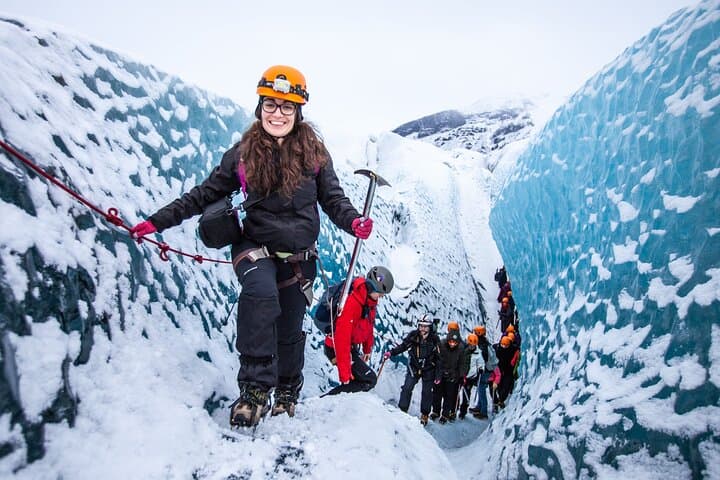
Beneath a sky of shifting light, Skaftafell’s ice reads like a map of time. This three-hour guided glacier hike mixes technical instruction with geology and culture: compact, safe, and unforgettable.