
What the day feels like
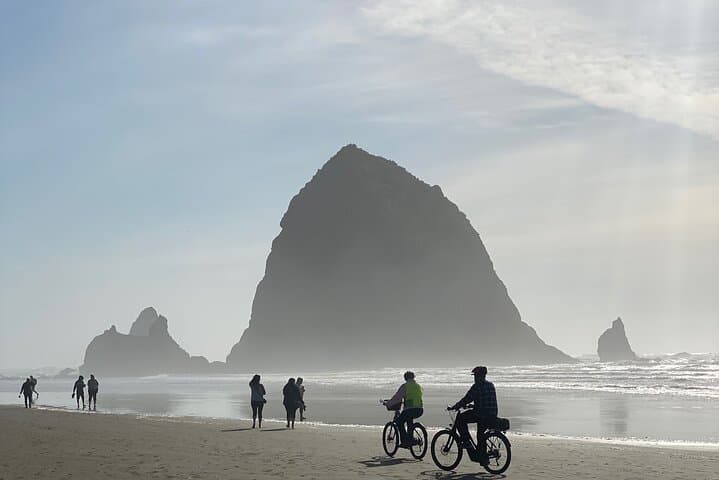
You arrive when the town is still waking: salt and coffee in the air, gulls working the breeze, and the first light painting Haystack Rock like a sentinel at the edge of the world. The ocean dares you forward—its low, rolling voice a constant companion—while the coastal forest behind dares you to slow down, to listen for spruce needles underfoot and the soft click of a Pacific douglas-fir trunk creaking in the wind. On the Cannon Beach hiking tour, the day moves between those two realms: the wide, wind-chiseled beach where tidepools hide miniature universes, and old-growth corridor trails that climb just enough to earn a lookout over the Pacific. This is a hike that balances spectacle with intimacy, ideal for someone who wants both postcard views and quiet, focused walking. For an in-depth local-led day, see this coastal rainforest adventure with experienced guides: <a href='https://app.advcollective.com/local-experts/exploring-cannon-beach-oregon-coast-hiking-coastal-rainforest-adventure'>Cannon Beach coastal rainforest adventure</a>. The trip tends to move at a human pace: 7–8 hours including stops, short low-elevation climbs through moss-draped forest and a mindful stretch of shoreline around Haystack Rock. Haystack Rock itself is more than photo bait; it’s part of the Oregon Islands National Wildlife Refuge and a thriving rookery; during nesting season you’ll find tufted puffins and other seabirds claimed their vertical kingdom. The geology here is simple and dramatic—basalt spires formed by ancient lava flows and sculpted by the tireless work of ocean swell. Those rock monoliths are compositional time capsules that anchor the landscape and attract the traffic—and the tide—around them. But Cannon Beach’s human history is quieter, marked by small coastal logging towns, fishing traditions, and the more recent rise of a creative coastal community that champions conservation and local crafts. Guides on this tour knit those threads into the walk: pointing out salmonberry thickets, a particular shelf of basalt rich with intertidal life, and where the town sources its infamous cinnamon rolls. Practical detail matters here: expect 4–6 miles of walking on a day that lasts roughly 7–8 hours including breaks and a lunch stop in town. Trails are a mix of packed sand, firm forest tread, and short steep pitches that gain little elevation but require steady footing—good trail shoes and poles will reduce fatigue. Timing is everything: if your goal is tidepool exploration, check the low-tide chart; if you want puffin sightings, spring and early summer hold the best chance. Guides also know when to skirt the more crowded viewpoints and when to linger in a mossy clearing, giving you earned quiet rather than a rushed selfie. For planning, start from Portland (PDX), where the drive to Cannon Beach is roughly 90 minutes to two hours depending on traffic and weather. The tour includes local intel—best cinnamon roll, best bench for watching the light fade behind Haystack Rock, and where to warm up with an afternoon pint. Sustainability is woven into the experience: the shoreline and rock formations are fragile, so staying on designated paths, leaving tidepool life undisturbed, and packing out waste are emphasized throughout the day. This isn’t adrenaline-charged mountaineering; it’s an intentionally paced coastal exploration designed to connect you to a coastline that’s both raw and civilized. Bring layers for the typical microclimates—sun can be fierce, but fog and wind can roll in swift and insistent—and you’ll leave with a clearer sense of why the Oregon Coast is more than a view: it’s a tactile, salty, fragrant ecosystem that invites ongoing curiosity. If you want to go deeper into local insights and booking logistics, consider this guided option to maximize your time and understanding of both the beach and the forest: <a href='https://app.advcollective.com/local-experts/exploring-cannon-beach-oregon-coast-hiking-coastal-rainforest-adventure'>learn more about exploring Cannon Beach</a>. Whether you arrive as a casual hiker, a photographer chasing late-day light, or a traveler seeking a single, perfectly paced coastal day, Cannon Beach offers a balanced and deeply walkable introduction to Oregon’s northern shore.
Trail wisdom
Small choices, better day.
Check the tide chart
If tidepool exploration matters, time your beach visit for low tide to see anemones and starfish exposed on the flats.
Layer for microclimates
Bring a lightweight waterproof and an insulating midlayer—the coast can be sunlit one minute and foggy the next.
Footwear matters
Use grippy trail shoes for the forest sections and firm sand; avoid thin-soled sandals for long shoreline stretches.
Respect wildlife and rock access
Haystack Rock is protected—stay off the rock during bird nesting season and avoid disturbing tidepool creatures.
Local knowledge
Read the place, not just the route.
Watch for native species including Tufted puffins, Harbor seals.
Keep an eye out for wildlife during the transition between areas and habitats. Respect distance guidelines.
Haystack Rock and adjacent tidepools are protected—stay off the rock, avoid picking tidepool animals, and follow Leave No Trace practices to protect fragile intertidal ecosystems.
Follow the guide's instructions on size limits, ethical handling, and leave-no-trace practices.
Ecola State Park viewpoints away from the main Haystack crowds. Low-tide coves with rich tidepool life on the north end of the beach
Locally recommended viewpoints and quiet spots known best to local operators.
Cannon Beach grew from logging and fishing roots into a small artistic community; Haystack Rock has been a landmark for mariners and a modern conservation focus as part of the Oregon Islands refuge.
Maritime roots and regional tradition shape the waterways and working coasts.
Seasonal guide
Four versions of the same landscape.
Spring
Best forpuffin sightings · wildflowers · cool, clear hikes
Challengesunpredictable rain · chilly ocean breezes
Spring brings migrating birds and emerging greenery; expect cool temperatures and the chance of showers—dress in layers and bring waterproofs.
Summer
Best forcalmer seas · long daylight · family-friendly beach time
Challengescrowds on weekends · occasional marine layer mornings
Late summer offers the best weather window and calmer ocean conditions, though beaches draw more visitors—arrive early for quieter stretches.
Fall
Best fordramatic light · fewer tourists · storm watching
Challengesincreasing rain and wind · shorter days
Fall delivers moodier skies and fewer people; the weather can shift quickly, so plan for wet and windy conditions.
Winter
Best forstorm-swept drama · empty trails · migratory birds
Challengesheavy rain and wind · limited daylight
Winter yields powerful surf and near-empty beaches—dress for wet, cold conditions and keep a close eye on weather forecasts.
Operator details
What the booking data adds.
Included
- ✓Bottled water
- ✓Air-conditioned vehicle
- ✓light snacks provided
Not included
- —lunch and other treats on your own
- —Gratuity for your guides is appreciated
Good to know
- ✓Service animals allowed
- ✓Public transportation options are available nearby
- ✓Suitable for all physical fitness levels
- ✓contact us about infant accommodations
- ✓the hiking options require ability to manage short but steep inclines; travelers with health concerns should consider that
Pack with intention
What to bring.
Good to know
Common questions.
The guided day runs about 7–8 hours, including walking, tidepool time, and a lunch stop in town.
Plan the edges
The details that make the day easier.
Haystack Rock is part of the Oregon Islands National Wildlife Refuge and hosts nesting tufted puffins and other seabirds— it’s a protected site during breeding season.
After the hike, grab a cinnamon roll or coffee at a local bakery, then head to a seafood spot or brewpub for clam chowder and local beer—Cannon Beach’s small downtown offers handcrafted shops and galleries to round the day.
- Closest airport
- Portland International (PDX) ~90–120 min drive; trailhead: Cannon Beach municipal beach
- Ecola State Park access; cell service
- reliable in town, intermittent on some trails; permits: none required but Haystack Rock protections apply.
This shore is ecologically sensitive—do not climb Haystack Rock, keep off marked nesting areas, avoid collecting tidepool organisms, and pack out all trash to protect intertidal habitats.
Explore by topic
Follow the threads.
Keep exploring
Make the story part of the trip.
Set out from Bass Harbor for a private, customizable day on Blue Hill Bay — lighthouses, puffins, seals, and the chance to feel Acadia from the water. Small groups, local captains, unforgettable views.
In four hours you can move from shaded canyon ferns to wind-scoured coastal ridgelines, guided by someone who knows where the light—and the hidden views—live. This private half-day hike on the Monterey Peninsula or Big Sur is compact, curated, and perfect for travelers who want depth without a multiday commitment.
 Related story
Beneath a sky of shifting light, Skaftafell’s ice reads like a map of time. This three-hour guided glacier hike mixes technical instruction with geology and culture: compact, safe, and unforgettable.