
What the day feels like
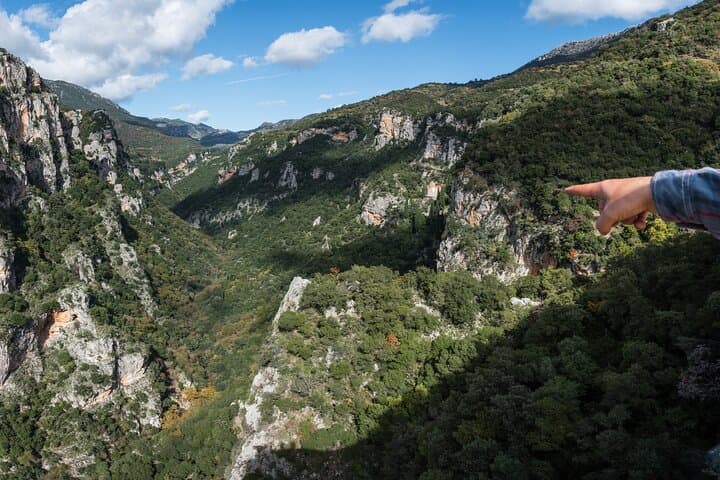
We start before the town wakes—headlamps dotting the stone steps like slow fireflies—because the gorge does its best poetry in the cool hours. The Lousios River, a narrow green ribbon at the canyon floor, murmurs and then insists, daring you to keep pace. Above, Byzantine monasteries hang like punctuation marks from limestone faces: Prodromou, Philosophou, small cells that have watched shepherds and smugglers and pilgrims cross these ridgelines for centuries. The trail winds between them, a stitched seam in the Menalon massif, and in four hours it will change the shape of your day.
This is a hike that reads like a short history. The Lousios Gorge sits on the western slopes of Mount Menalon, in Arcadia, Peloponnese—an old Greece where paths still follow mule tracks and villages keep their own slow calendar. The monasteries you pass date largely from the late Byzantine and post-Byzantine era; Prodromou and Philosophou were refuges of faith and learning, often built in places that are, by rights, impossible. Geologically the gorge is young and rugged: limestone and schist cleave vertically, creating narrow ledges, talus slopes, and a river that has carved amphitheaters into the rock. Botanically, the canyon is generous—towering plane trees, Mediterranean shrubs, and a spring chorus of wildflowers that softens the stone.
Walking here feels purposeful and immediate. The trail alternates: shaded terraces where your boots barely touch dry soil; brief exposures where the gorge opens and a fall of sunlight feels like a shortcut to memory; riverbanks where spray bounces off rock and the current seems intent on storytelling. The Menalon Trail—an officially waymarked route across Arcadia—threads these sections into a longer backbone for the region, but this short loop (the section offered by the day hike) concentrates the best parts: monastery visits, a riverside descent, switchbacks that gain a little elevation and then release you to skyviews.
Practical specifics: the guided itinerary runs roughly four hours on the trail itself. Expect 6–9 km of walking with about 300–450 meters of cumulative ascent and descent depending on the exact route variant; much of the terrain is singletrack with stone steps, compacted dirt, occasional loose scree, and some short stair-style climbs at monastery approaches. The pace is steady but not rushed—there’s time to listen to the river and pause at cliffside viewpoints. Weather matters: spring and fall are ideal for comfortable hiking; summer brings strong sun and heat on exposed ridgelines.
Why go? The Lousios offers a compact, layered experience—wild canyon, rich history, and accessible hiking—which makes it appealing to both casual walkers and experienced hikers looking for a cultural day out. The monasteries are not museum pieces stripped of context; they're still living sites with chapels, frescoes, and monks who will often offer a cup of raki or a quiet blessing. The wildlife—mountain birds, chaffinches, the occasional fox—adds a soft layer of unpredictability.
How to plan it: aim for early starts to beat the heat and afternoon crowds in summer. Footwear with good traction is essential; the stone staircases are historic but can be slick when wet. Hydrate frequently—carry at least 1.5–2 liters in warm months, more if you’re prone to heavy sweating. Respect monastery etiquette: modest dress, quiet voices, and ask before photographing interiors. Cell service is patchy in the canyon, so download maps or print a route description. If you’re driving in, the nearest practical base is the mountain town of Dimitsana; Kalamata and Athens are the closest airports, with Kalamata a shorter drive.
For photographers the gorge rewards patience: early-morning mist in hollows, shafts of light through plane trees, and the textured faces of monasteries at golden hour. For families, the route can be shortened around river loops; for experienced hikers, the Menalon Trail can be joined to multi-day loops that curve deeper into Arcadia.
The river insists on a relationship. It will neither rush you nor beg; it simply marks the line between cliff and meadow, history and now. Walk with sturdy shoes, an attentive mind, and enough curiosity to climb a stair and peek at a courtyard. When you finish, seek out a taverna in Dimitsana or Stemnitsa—slow-cooked lamb, local cheeses, walnut pie—and let the taste settle, a deserved punctuation after a morning in one of Greece’s quieter, more eloquent gorges.
Trail wisdom
Small choices, better day.
Start Early
Begin at or before sunrise to enjoy cool air on the ridgewalks and soft light on the monasteries.
Grip Matters
Wear shoes with good traction—stone steps and loose scree are common near monastery approaches.
Respect Monastery Rules
Dress modestly, speak softly inside chapels, and ask before photographing interiors.
Hydrate Wisely
Carry at least 1.5–2 liters; refill options are limited and water near the river may be untreated.
Local knowledge
Read the place, not just the route.
Watch for native species including Chukar partridge, Red fox.
Keep an eye out for wildlife during the transition between areas and habitats. Respect distance guidelines.
The gorge’s ecology is sensitive—stay on marked trails, avoid trampling riparian plants, and pack out all waste to protect native habitats.
Follow the guide's instructions on size limits, ethical handling, and leave-no-trace practices.
Stone bridges and abandoned watermills along the riverside. A small cliff viewpoint half a kilometer past the Prodromou Monastery for sunset
Locally recommended viewpoints and quiet spots known best to local operators.
The canyon’s monasteries date to Byzantine and post-Byzantine periods and served as centers of learning and refuge; the area also played roles during Greek independence.
Maritime roots and regional tradition shape the waterways and working coasts.
Seasonal guide
Four versions of the same landscape.
Spring
Best forWildflowers · Comfortable temperatures · Birdwatching
ChallengesMud on shaded paths · Cool mornings
Spring is prime: trails bloom and temperatures are ideal for steady climbing, though shaded ravines can be damp.
Summer
Best forExtended daylight · Clear ridge views · Evening monastery visits
ChallengesHeat on exposed sections · Limited shade midday
Summer brings strong sun—start very early, wear sun protection, and avoid midafternoon exposure.
Fall
Best forCrisp air · Golden foliage accents · Milder crowds
ChallengesShortening daylight · Cooler nights
Autumn offers dramatic light and comfortable hiking; pack a warm layer for mornings and late afternoons.
Winter
Best forQuiet trails · Snow-dusted scenery on high ridges
ChallengesPossible snow/ice · Limited access to remote services
Winter is quiet and atmospheric but may require microspikes and careful planning if snow is present.
Operator details
What the booking data adds.
Included
- ✓Picnic with local products
Good to know
- ✓Not recommended for travelers with spinal injuries
- ✓Not recommended for pregnant travelers
- ✓Not recommended for travelers with poor cardiovascular health
- ✓Travelers should have at least a moderate level of physical fitness
Pack with intention
What to bring.
Good to know
Common questions.
The guided itinerary covers roughly 6–9 km with 300–450 m cumulative ascent/descent; it’s rated moderate and takes about four hours at a steady pace.
Plan the edges
The details that make the day easier.
The Menalon Trail is a waymarked long-distance route of roughly 75 km that loops through Arcadia and connects traditional villages, shepherd paths, and historic sites.
After the hike, head to a Dimitsana taverna for slow‑cooked lamb, local kefalotyri cheese, and a glass of tsipouro; browse village artisan workshops for woven textiles and walnut sweets.
- Closest airport
- Kalamata (KLX) ~1.5–2 hrs drive; Nearest trailhead: Dimitsana
- Stemnitsa (10–30 min driving between villages); Cell service
- patchy in the gorge; Permits: none required; Guided tour duration: ~4 hours.
This gorge supports delicate riparian and cliff ecosystems—stay on trails, pack out everything, and follow monastery rules to minimize cultural and environmental impact.
Explore by topic
Follow the threads.
Keep exploring
Make the story part of the trip.
In four hours you can move from shaded canyon ferns to wind-scoured coastal ridgelines, guided by someone who knows where the light—and the hidden views—live. This private half-day hike on the Monterey Peninsula or Big Sur is compact, curated, and perfect for travelers who want depth without a multiday commitment.
 Related story
Beneath a sky of shifting light, Skaftafell’s ice reads like a map of time. This three-hour guided glacier hike mixes technical instruction with geology and culture: compact, safe, and unforgettable.
 Related story
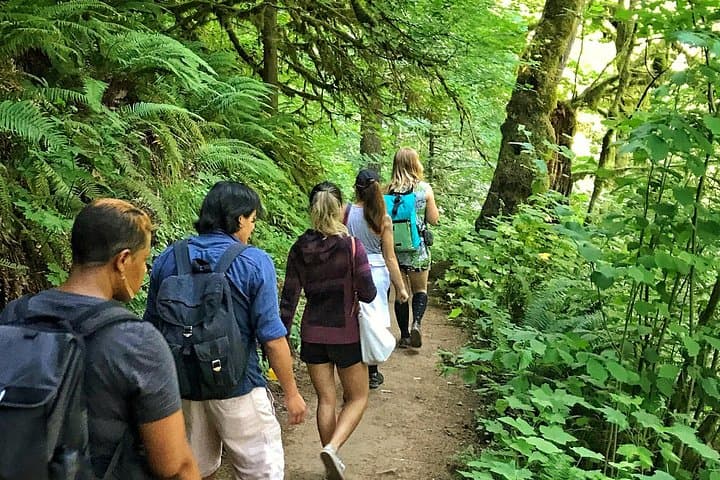
Lose the city for a few hours without leaving it: this 5-mile, 900-foot-gain Forest Park loop threads old-growth pockets, city viewpoints, and cultural landmarks for a compact taste of Portland’s wild side. Expect moss, roots, and stories.