
What the day feels like
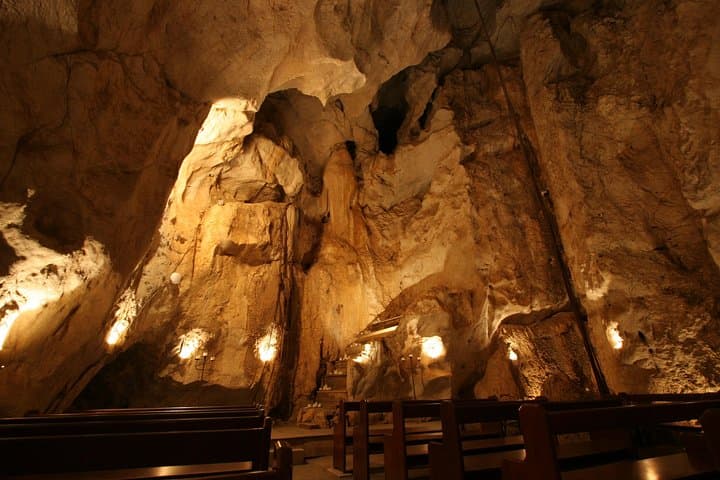
You step off the bus into a pale Queensland light that feels softer somehow under the limestone escarpment. The air here is cooler, carrying the mineral scent of stone and damp earth — a contrast to the open savannah of the surrounding cattle country. A narrow walkway threads into shadow. Guides with headlamps fall into a conversational rhythm, their voices low so the cave can keep its own: distant drips, the hush of older rocks. This is the Cathedral Chamber, the crown jewel of the Capricorn Caves, and within 45 minutes you’ll understand why the place has been coaxing people underground for generations. Book the <a href="https://app.advcollective.com/local-experts/capricorn-caves-cathedral-cave-tour-guided-45-min-walk-through-queensland-limestone-caverns">Capricorn Caves Cathedral Cave Tour</a> to hear story, science and a few well-timed silences that make the cavern’s natural acoustics glow.
The cavern system sits on a fold of Permian limestone that towered up as reef and reef-mud some 250–300 million years ago. Over eons water found a route through the soluble stone, making voids, draperies and columns: the stalactite’s chandelier opposite the stalagmite’s slow-grown thumb. European explorers mapped the caverns in the 19th century; the area sits on the traditional lands of the Darumbal people, whose connection to the landscape extends far beyond the tourist trail. Local guides weave geology, early exploration and Indigenous stewardship into compact interpretive tours so the 45-minute walk ankle-steps between wonder and context.
The Cathedral Tour is small-scale by design: well-surfaced walkways and ramps make the main chamber among the most accessible cave experiences in eastern Australia, while specialized routes and longer spelunking options exist for visitors who want more. Acoustically, the chamber is a showstopper. Guides occasionally invite the group to fall silent and then sing a single note — the cave answers like a living reverb tank, long and clean, reminding you that this is a place shaped by time as much as curiosity. Bats live in the upper rooms; you’ll likely glimpse a fluttering silhouette and hear the soft rustle of wings. Cameras are welcome — but the best images respect the darkness. Long exposures, low ISO, a tripod or careful bracing against a railing will reward you more than flash.
Why take this particular tour? It’s short, deliberate and interpretive: perfect if you’re staying in Rockhampton or traveling between the Capricorn Coast and inland ranges. The route is family-friendly yet rich in detail: your guide will point out flowstone, a ribbon of CO2-to-water weathering that looks like frozen drapery, and small fossil traces embedded in the limestone. If you’re an adventurer at heart, the property also runs more technical tours that dive deeper into passages where helmets and ropes come into play. For most visitors, however, the Cathedral Tour is the right mix of thrill and ease — a subterranean primer that leaves you with a sharper awareness of the landscape above.
Practicalities are straightforward. The tour lasts approximately 45 minutes, runs several times daily, and works well as a half-day anchor to a regional itinerary that includes Rockhampton’s meat-oriented culinary scene or a coastal detour to Yeppoon. Wear closed-toe shoes with some tread; the cave floor can be wet and slick near drip lines. Carry a lightweight jacket — even in midsummer the chamber remains several degrees cooler than the outside air. Note that mobile reception is inconsistent in the area and nonexistent once you’re in the deeper recesses, so bring printed tickets or download confirmation in advance. The site is ticketed and operated privately; smaller groups keep it intimate and educational.
For photographers and story-seekers, timing matters: early morning and late afternoon light on the limestone outcrops outside the cave makes for dramatic contrasts, while evening tours sometimes coincide with bat sorties, which can feel like a natural exodus. If you want to linger, ask about combined options or time your visit with a guided Explorer tour to see narrower passages and deeper formations.
Conservation is part of the experience. The cave’s micro-ecosystem is fragile; guides emphasize staying on walkways, not touching formations, and minimizing light and noise near roosts. Your visit supports local employment and educational programs that protect the site, and every visitor who follows the rules helps keep the caves intact for the next generation.
If you’re picturing a long, spelunking odyssey, this isn’t that — and that’s the point. The Cathedral Cave is a concentrated lesson in time, geology and place. For travellers who want a high-reward, low-logistics natural spectacle a short drive from Rockhampton, it is hard to beat. Reserve a slot, slip into the cool, and let the stone do the talking. For bookings and schedules, check the official guided tour listing here: <a href="https://app.advcollective.com/local-experts/capricorn-caves-cathedral-cave-tour-guided-45-min-walk-through-queensland-limestone-caverns">Capricorn Caves Cathedral Cave Tour</a>.
Trail wisdom
Small choices, better day.
Wear grippy shoes
Closed-toe shoes with good traction reduce slips on wet limestone and help on uneven walkways.
Pack a light jacket
Cave temperatures are several degrees cooler than outside, so a thin insulating layer makes photography and listening more comfortable.
Respect wildlife
Keep voices low near roosts and follow guide instructions to avoid disturbing bats and cave fauna.
Bring a camera with low-light capability
A camera that performs well at high ISO or a small tripod will capture the chamber’s scale far better than flash.
Local knowledge
Read the place, not just the route.
Watch for native species including Insectivorous microbats (various species), Cave crickets and other troglobitic invertebrates.
Keep an eye out for wildlife during the transition between areas and habitats. Respect distance guidelines.
The cave ecosystem is fragile — stay on paths, avoid touching formations, and follow guide rules to minimize disturbance to roosting bats and invertebrates.
Follow the guide's instructions on size limits, ethical handling, and leave-no-trace practices.
Ask about the Explorer cave options for a more technical spelunking experience. Catch the natural acoustics demonstration — the Cathedral’s reverb is used for small performances
Locally recommended viewpoints and quiet spots known best to local operators.
The caves are formed in ancient Permian limestone and sit on the traditional lands of the Darumbal people; European exploration picked up in the late 19th century.
Maritime roots and regional tradition shape the waterways and working coasts.
Seasonal guide
Four versions of the same landscape.
Spring
Best forWildflower displays adjacent to the property · Mild cave temperatures
ChallengesPossible spring rains · Variable road conditions if wet
Spring (Sept–Nov) brings milder days and native wildflowers aboveground; underground conditions remain stable but access roads can be damp after heavy rain.
Summer
Best forEscaping heat into cool caves · Longer daylight for combined coastal trips
ChallengesHigh humidity · Summer storms may cause surface runoff
Summer (Dec–Feb) is hot outside — the cave provides welcome relief — but prepare for humidity and occasional storm-related schedule changes.
Fall
Best forClear skies for photography · Comfortable daytime temps
ChallengesTour popularity on long weekends · Limited shade at car park
Autumn (Mar–May) offers stable weather and crisp photographic light, making it a popular window for combining the cave with regional drives.
Winter
Best forDrycomfortable days · Easy regional travel
ChallengesCooler nights · Tour times may be busier on holiday weekends
Winter (Jun–Aug) is the optimal season for comfortable travel in central Queensland — cooler days and dry conditions make cave visits pleasant.
Operator details
What the booking data adds.
Included
- ✓Local guide
- ✓Written language translations available in German, French, Japanese, Chinese
Not included
- —Transportation to/from Cathedral Cave
- —Food and drinks
Good to know
- ✓Wheelchair accessible
- ✓Service animals allowed
- ✓Suitable for all physical fitness levels
- ✓Enclosed footwear recommended but not essential.
- ✓The Cave temperature is a stable 22 degrees Celsius
- ✓Wheelchair accessible tours are available, please notify reception before the tour departs.
Pack with intention
What to bring.
Good to know
Common questions.
The guided Cathedral Cave Tour runs about 45 minutes and is an interpretive walk on surfaced paths and ramps.
Plan the edges
The details that make the day easier.
The Cathedral Chamber is known for its exceptional natural acoustics and is occasionally used for small musical performances, a testament to the chamber’s unique shape and size.
After the tour, head back into Rockhampton for pub grub and local steak (the city is nicknamed Australia’s Beef Capital), or drive to the Capricorn Coast for seafood and seaside views—either route pairs well with a cave visit.
- Closest airport
- Rockhampton Airport (ROK)
- Driving distance
- approx. 25–30 minutes from Rockhampton
- Cell service
- unreliable in and near cave chambers
- Permits
- paid ticket required; book tours in advance
This privately managed site emphasizes protecting fragile cave formations and bat roosts — stick to paths, avoid flash photography near wildlife and pack out any rubbish.
Explore by topic
Follow the threads.
Keep exploring
Make the story part of the trip.
Set out from Bass Harbor for a private, customizable day on Blue Hill Bay — lighthouses, puffins, seals, and the chance to feel Acadia from the water. Small groups, local captains, unforgettable views.
In four hours you can move from shaded canyon ferns to wind-scoured coastal ridgelines, guided by someone who knows where the light—and the hidden views—live. This private half-day hike on the Monterey Peninsula or Big Sur is compact, curated, and perfect for travelers who want depth without a multiday commitment.
 Related story
Beneath a sky of shifting light, Skaftafell’s ice reads like a map of time. This three-hour guided glacier hike mixes technical instruction with geology and culture: compact, safe, and unforgettable.