
What the day feels like
The wind softens as evening falls over Bellingham Bay, and the water turns to hammered bronze. Small boats—sleek kayaks, steady skiffs, a handful of sail dinghies—fan out toward the stately Schooner Zodiac, her masts etched against the last light. A guitar warms up. Laughter carries. The bay breathes in and out, a patient metronome. When the first notes lift, the water leans closer, and the audience—floating, bobbing, swaying—feels the sound arrive not only through the air, but through the hulls beneath their feet.
This is Beats on the Bay, a floating concert that asks you to trade crowded aisles and sticky floors for open sky and salt air. You launch from the Community Boating Center, just down the street from Fairhaven’s historic brick storefronts, then drift into a loose, shimmering amphitheater. The stage is the Schooner Zodiac, the 1924 wooden beauty that once served as a San Francisco bar pilot vessel and now moonlights as a maritime icon in the Salish Sea. Boats cluster respectfully; the bay smiles at the order. As the music unfurls—on August 13 with powerhouse vocalist Kate Dinsmore, and on September 3 with the globetrotting duo MaSango from Zimbabwe and Southern Africa, followed by Smooth Kiwi’s groove-forward set on September 10—the crowd settles into a rhythm only water can teach: a little give, a little glide, everyone moving together.
On paper, it’s simple: arrive at 5:00 p.m., depart around 5:30, the concert begins at 6:00, and by 8:00 you’re gliding back toward shore as gulls take their posts along the pilings. In practice, it’s something more. The Salish Sea was sculpted by ice—glaciers bulldozed the basins, carved the inlets, and left behind a complicated map of tide and light. Here on Bellingham Bay, those forces still set the tempo. Currents nudge, wind strokes the surface, and sound rides the evening air farther than you expect. The setting turns the concert into a dialogue: the bay keeps time, the audience listens with more than ears.
There’s culture layered on this water. The Coast Salish peoples, including the Lummi Nation, have called these shorelines home since time immemorial; when the music drifts across the bay, it joins a long lineage of songs carried by tide. The working waterfront remains within view—the shipyard cranes and ferry slips giving the scene its pragmatic anchor—while the Zodiac, all grace and timber, adds a living thread of maritime history. You feel the Pacific Northwest in its true form: not just a place to admire, but a place that moves, adapts, and invites you in.
Part of the event’s charm is its gentle challenge. Boats must stay within the concert’s vicinity, and lifejackets are worn at all times—good reminders that the bay isn’t a prop; it’s a lively partner. Evening winds sometimes gust, currents can shove if you’re inattentive, and the water stays brisk, even in August. Policies are clear and kept simple: no drugs or alcohol on Community Boating Center boats; arrive sober and ready to paddle or steer. Should sustained winds top 12 mph or heavy rain roll in, the show bows out gracefully—full refunds, and the promise of another calm-weather night.
For many, the best seat is on the Zodiac’s deck, where the wood creaks softly, and the sound blooms around you. Others prefer to choose a smaller craft, savoring the independence of a kayak or the camaraderie of a small sailboat. Either way, the music becomes the evening’s compass. When the band finds a pocket—Kate Dinsmore’s voice cutting clean and bright, MaSango’s rhythms leaping like porpoises, Smooth Kiwi’s synths sketching neon lines across the dusk—the bay nods along. The scene is electric without the usual strain: no traffic jam, no bar line, no phones held high for proof. You’re already where you want to be.
Planning is straightforward. Dress for the marine layer that often strolls in after sunset—synthetic or wool layers, not cotton. Bring a dry bag, a headlamp for the paddle home, and a water bottle. Keep gear tidy and low in the boat; the bay admires good trim. Expect to be out for around two and a half hours, and be ready for the easy choreography of launching, rafting loosely near the Zodiac, and returning with the group. It’s family-friendly if you’re confident on the water, and particularly welcoming for beginners with guided support from the Community Boating Center team.
If you’re curious how to book, get the full scoop and availability via this local expert listing: <a href="https://app.advcollective.com/local-experts/water-activities-beats-on-the-bay" target="_blank" rel="nofollow">Beats on the Bay floating concert</a>. It’s also a smart place to keep tabs on dates, artist updates, and what each evening’s conditions might bring. Thinking of pairing your trip with other water time? Browse more <a href="https://app.advcollective.com/local-experts/water-activities-beats-on-the-bay" target="_blank" rel="nofollow">water activities on Bellingham Bay</a> and make a weekend of it—morning paddle, afternoon beach walk, evening music afloat.
What lingers after the final chord isn’t just the set list. It’s the feeling of being part of a temporary community—boats returning in a gentle caravan, navigation lights blinking awake, the last light teasing Mount Baker’s outline inland. The bay exhales, sending you back to shore with a little salt in your hair and a tune you can’t shake. You’ll step onto the dock with the low, satisfied buzz that comes from a good show and a small adventure, both earned the simple way: one stroke at a time.
Ready to launch? See dates, policies, and booking details here: <a href="https://app.advcollective.com/local-experts/water-activities-beats-on-the-bay" target="_blank" rel="nofollow">Schooner Zodiac concert on Bellingham Bay</a>. Bring layers, bring curiosity, and let the bay do what it does best—hold you close while it quietly pushes the night forward.
Trail wisdom
Small choices, better day.
Dress for Marine Evenings
Even in August, the bay cools quickly. Wear synthetic or wool layers and bring a windproof shell.
Secure Your Essentials
Use a small dry bag for your phone, keys, and headlamp; keep weight low and centered for stability.
Mind the Wind and Tide
Light winds can build after sunset; stay near the Zodiac and follow staff guidance for an easy return.
Arrive Early, Launch Smoothly
Check in at 5:00 p.m. to sort gear, fit lifejackets, and depart with the group by 5:30.
Local knowledge
Read the place, not just the route.
Watch for native species including Harbor seals, Bald eagles.
Keep an eye out for wildlife during the transition between areas and habitats. Respect distance guidelines.
Bellingham Bay is part of the Salish Sea—protect eelgrass beds by avoiding shallow prop wash, keep wakes low around birds and marine mammals, and pack out all trash.
Follow the guide's instructions on size limits, ethical handling, and leave-no-trace practices.
Taylor Dock Boardwalk at sunset for a post-concert stroll. Marine Park in Fairhaven for tidepooling on lower tides
Locally recommended viewpoints and quiet spots known best to local operators.
The Schooner Zodiac was launched in 1924 and later served as a San Francisco bar pilot ship before returning to the Pacific Northwest as a sail-training and charter vessel.
Maritime roots and regional tradition shape the waterways and working coasts.
Seasonal guide
Four versions of the same landscape.
Spring
Best forQuiet waters on calm days · Wildlife spotting
ChallengesUnsettled weather · Cold water temps
Spring can deliver glassy evenings and surprise breezes. Dress warm and watch forecasts closely.
Summer
Best forGolden-hour concerts · Stable conditions
ChallengesAfternoon wind chop · Sun exposure
Prime season for floating shows with long daylight and warmer air. Winds often ease near sunset.
Fall
Best forCrisp, clear sunsets · Less boat traffic
ChallengesFog banks · Early nightfall
Expect cooler temps and potential morning fog. Evening sessions shine on high-pressure days.
Winter
Best forStorm watching from shore · Planning future trips
ChallengesStrong storms · Short days
Not concert season, but the bay is dramatic. Use winter to book ahead and tune your cold-weather kit.
Pack with intention
What to bring.
Good to know
Common questions.
Yes, experienced paddlers often use their own craft; otherwise, select from the Community Boating Center’s fleet when booking.
Plan the edges
The details that make the day easier.
The name “Salish Sea” was officially adopted by Washington State and British Columbia in 2009 to collectively describe the interconnected waters of Puget Sound, the Strait of Juan de Fuca, and the Strait of Georgia.
Post-concert, walk into Fairhaven for a pint at Stones Throw Brewery’s beer garden or grab fish and chips at Nicki’s Bella Marina near the harbor. For a sit-down meal, Skylark’s in Fairhaven does late-night comfort fare, and Mallard Ice Cream downtown is worth the short drive for small-batch scoops.
- Closest airport
- BLI (Bellingham International), ~20 minutes by car; Launch: Community Boating Center in Fairhaven; Drive from downtown: ~10 minutes; Cell service: Generally good near shore, spotty farther out; Permits: None for participants—PFDs provided on CBC boats; Check-in: 5:00 p.m. sharp.
This bay is part of the Salish Sea—keep an eye on your wake around seabirds, avoid grounding in eelgrass shallows, and pack out everything you bring. Refillable bottles and reusable layers beat single-use every time.
Explore by topic
Follow the threads.
Keep exploring
Make the story part of the trip.
In four hours you can move from shaded canyon ferns to wind-scoured coastal ridgelines, guided by someone who knows where the light—and the hidden views—live. This private half-day hike on the Monterey Peninsula or Big Sur is compact, curated, and perfect for travelers who want depth without a multiday commitment.
 Related story
Beneath a sky of shifting light, Skaftafell’s ice reads like a map of time. This three-hour guided glacier hike mixes technical instruction with geology and culture: compact, safe, and unforgettable.
 Related story
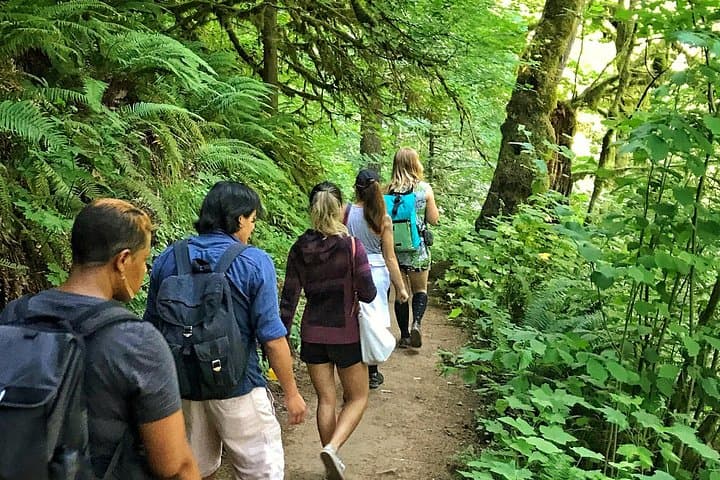
Lose the city for a few hours without leaving it: this 5-mile, 900-foot-gain Forest Park loop threads old-growth pockets, city viewpoints, and cultural landmarks for a compact taste of Portland’s wild side. Expect moss, roots, and stories.