
What the day feels like
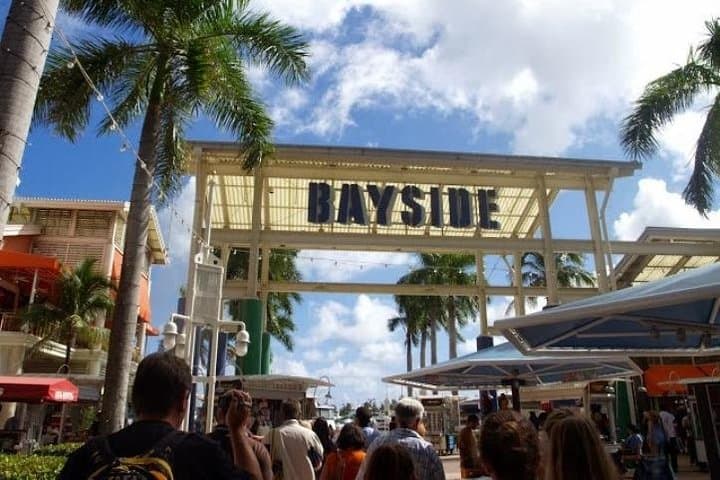
The morning starts at Bayside, where the palms lean toward the water as if to point the way. Biscayne Bay is already awake—gulls chattering, the skyline catching light like a row of polished sails. A boat idles at the dock, ropes creaking, while across the parking lot a bus loads daypacks and sunhats bound for the River of Grass. Miami likes to play both sides of the shoreline in a single breath, and this combo day—an Everglades airboat adventure followed by a laid-back bay cruise—lets you feel how the city hums between salt and sawgrass.
The Everglades wait west, past walls of murals and the last of the strip malls, where the city finally lets go and the road runs straight across a flat green empire. Out here, the wind has a job to do. It combs the sawgrass into ripples, nudges herons up from the marsh, and dares your airboat to skim faster. When the fan roars, the world becomes motion: water pushing forward, prairie parting like a curtain, and low islands of cypress flashing by—little domes of shade in a sun-bright sea.
An alligator slides from the bank with the confidence of a local. Purple gallinules pick their way across lily pads as if crossing a street. Roseate spoonbills swing past with a bit of flair, their wings a quiet argument for color. The guide points out the way this landscape moves even when it looks still—the slow, wide sheet flow that earned the Everglades its River of Grass name. Out here, every foot of elevation matters, and every season leaves a signature. In the dry months, water pulls back and wildlife crowds the sloughs. In summer, thunderheads build like fortresses and the prairie drinks deep.
This is more than scenery. For centuries, the Miccosukee and Seminole people adapted to this shifting mosaic of water and hammock, building culture and livelihood in step with the seasonal pulse. In 1947, the country finally protected what was left of a place already boxed by canals and dikes. Today, the Everglades Restoration effort works to push freshwater back on its natural course, reconnecting habitats and giving wading birds and manatees a fighting chance.
The airboat slows near a stand of cypress, and the engines fall to a murmur. You hear what the wind hides: dragonflies stitching the air, a distant pig frog calling, the pop and sigh of a marsh recharging with life. When the boat spins and heads home, the current seems to nudge you along, a reminder that downriver waits a different kind of water.
By early afternoon you’re back at the dock, trading sawgrass for salt. The Biscayne Bay cruise is an exhale—sunglasses, skyline, and the easy glide along Miami’s glittering front yard. The bay, a shallow, bright estuary, wears its moods openly. Pelicans bully pilings. Dolphins sometimes stitch silver arcs across the channel. The captain swings past the islands—names you’ve heard, like Star and Fisher—where curated lawns meet sea walls and the city’s mythology of celebrity lives on. On deck, you feel the breeze pull through the heat and carry stories of the port, the barrier islands, and the Tequesta people who once lived at the river mouth where high-rises now mirror the tide.
From here the city assembles itself: the causeways strung like ribbons, cargo cranes standing like metal herons at the port, the old Freedom Tower lifting its Mediterranean Revival crown over Downtown. You’re not far from the Miami Circle, a 2,000-year-old Tequesta archaeological site at Brickell Point that quietly proves this has always been a meeting place of water and people.
If the Everglades sharpen your senses, the bay smooths them. You watch light skate across the water, notice how the sea surface shivers when a speedboat passes, and breathe easier as the skyline tilts from imposing to simply impressive. This is the magic of the combined day: it’s a study in contrasts—wild and tamed, quiet and buzzing, freshwater and brine—held together by the thread of movement. Miami doesn’t separate nature and culture; it lets them overlap, sometimes messily, often beautifully.
Practicalities keep the day comfortable. The sun is direct on both boats; long sleeves with UPF beat a sunburn, and a brimmed hat won’t complain about wind. Ear protection helps on the airboat, especially for kids. Insect repellent earns its keep when the marsh is thick with life, especially in the warm months. Hydrate early and often—heat can sneak up even when the breeze is generous. Expect a half-day pace: an hour-plus transfer each way to the Glades, a blast across the prairie, then an hour or so cruising the bay. The itinerary is tight but not rushed, a moving window into two ecosystems that define South Florida.
Go for the wildlife, and also for the perspective. The Everglades illustrate why Florida exists as it does: a shallow river fanned across limestone, once feeding mangroves and seagrass beds that protected the coast and filtered water. Biscayne Bay shows where that freshwater used to go—into a nursery for fish, manatees, and the coral reef tract offshore. Watching the city from the water, you see the modern stakes of conservation. The bay breathes—sometimes too shallow, sometimes clouded by runoff—but it still feeds dolphins, still throws back perfect reflections at dusk.
By the time you step off the boat, salt dried on your lips, you’ve traced Miami’s pulse from marsh to metropolis. The wind has been a steady companion, telling you when to hold your hat and when to listen. The water has done what it does best—move, shape, connect. And you’ve let the day ride that rhythm, from the River of Grass to a harbor bright with stories.
Trail wisdom
Small choices, better day.
Beat the Sun
Wear a UPF long-sleeve and brimmed hat; the airboat and bay cruise both offer little shade.
Ears and Eyes
Bring light ear protection for the airboat and compact binoculars for spotting birds and dolphins.
Bug Smart
In warmer months, a picaridin or DEET repellent makes the marsh far more pleasant.
Hydration Plan
Carry a full reusable bottle; hydrate before the airboat and again before the bay cruise.
Local knowledge
Read the place, not just the route.
Watch for native species including American alligator, Bottlenose dolphin.
Keep an eye out for wildlife during the transition between areas and habitats. Respect distance guidelines.
Help restoration by not feeding wildlife, keeping a respectful distance from animals, and minimizing wake in shallow areas where seagrass is recovering.
Follow the guide's instructions on size limits, ethical handling, and leave-no-trace practices.
Miami Circle National Historic Landmark at Brickell Point. The lobby murals of the Freedom Tower near Downtown
Locally recommended viewpoints and quiet spots known best to local operators.
South Florida is the only place on Earth where American alligators and American crocodiles coexist, and Miami’s mouth of the Miami River has been inhabited since the Tequesta built villages at the bay’s edge.
Maritime roots and regional tradition shape the waterways and working coasts.
Seasonal guide
Four versions of the same landscape.
Spring
Best forComfortable temps · Active birdlife
ChallengesOccasional storms · Variable mosquitoes
Mild mornings and lively wildlife make spring a strong all-around choice for both the Everglades and Biscayne Bay.
Summer
Best forLush greenery · Afternoon sea breezes
ChallengesHigh heat and humidity · Daily thunderstorms and biting insects
Expect hot, humid conditions with pop-up storms; start early and plan for quick shelter during downpours.
Fall
Best forFewer crowds · Warm water and sunsets
ChallengesHurricane risk · Mosquitoes lingering early season
Storm season tapers by late fall; check forecasts and enjoy warm bay breezes with smaller groups.
Winter
Best forDry season wildlife viewing · Cooler temps
ChallengesPopular season crowds · Occasional brisk winds on the bay
Winter is peak for Everglades wildlife and comfortable cruising; bring a light layer for breezier days.
Pack with intention
What to bring.
Good to know
Common questions.
Yes—airboats are noisy. Ear protection is recommended and often provided; bringing your own light earplugs is a good idea, especially for children.
Plan the edges
The details that make the day easier.
South Florida is the only place in the world where American alligators and American crocodiles live side by side, thanks to the region’s unique mix of freshwater and brackish habitats.
Refuel with a Cuban sandwich and a cortadito along Calle Ocho in Little Havana, then cap the day with fresh seafood and bay views near the causeways. Craft beer fans can swing through Wynwood’s taprooms to toast a two-waterway day.
- Closest airport
- Miami International (MIA). Tour hub: Bayside Marketplace, Downtown Miami. Drive to the Everglades airboat base: roughly 45–60 minutes west depending on traffic. Cell service: Good in Miami; spotty in parts of the Glades. Permits: None needed for this guided experience—your operator handles tickets and timing.
Stay seated and hands-in on the airboat to avoid disturbing wildlife, use mineral-based sunscreen to reduce runoff impacts, and pack out all trash. In shallow bay areas, keep wakes low to protect seagrass and manatee zones.
Explore by topic
Follow the threads.
Keep exploring
Make the story part of the trip.
 Related story
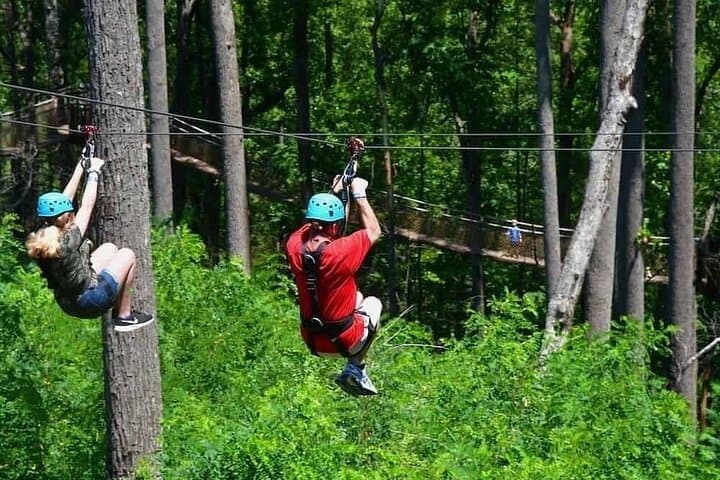
Less than two hours from Nairobi, Kereita Forest pairs hands-on canopy adventure with quiet montane trails and a sobering colonial history—perfect for families, teams, and curious travelers seeking a full-day pulse of nature.
Set out from Bass Harbor for a private, customizable day on Blue Hill Bay — lighthouses, puffins, seals, and the chance to feel Acadia from the water. Small groups, local captains, unforgettable views.
In four hours you can move from shaded canyon ferns to wind-scoured coastal ridgelines, guided by someone who knows where the light—and the hidden views—live. This private half-day hike on the Monterey Peninsula or Big Sur is compact, curated, and perfect for travelers who want depth without a multiday commitment.