
What the day feels like
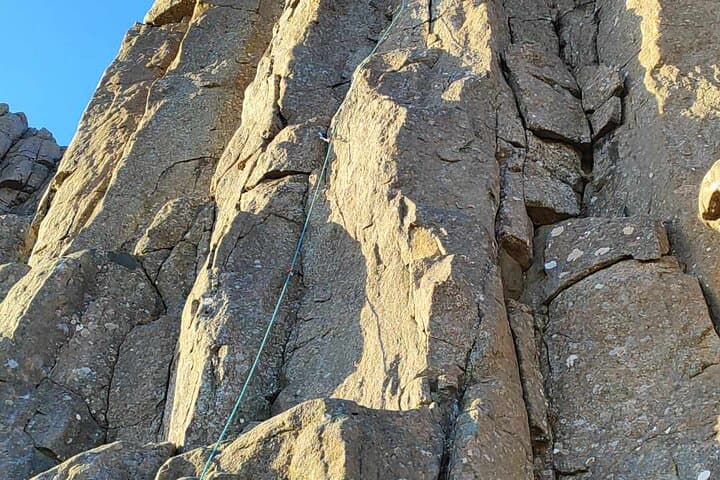
The wind has a habit of staking its claim on the coast here — it tugs on your jacket, pushes at your backpack, and spins the gulls like weather-animated toys above the cliffs. You clip in, feel the harness settle, and step toward a wall of black basalt that looks like a piano keyboard frozen mid-play. The rock is raw and ancient, cracking into hexagonal columns and honeycombed faces that beg to be read with hands. For five hours, the world narrows to holds and rope, the Atlantic's voice on your left daring you to keep moving. This is climbing in Iceland: elemental, intimate, and peculiarly forgiving when done with a local guide who knows where the wind sleeps and where the sun will warm a ledge.
Guided climbs advertised from Reykjavik condense a lot of what makes Iceland remarkable into a single day. Logistics are tidy — a short transfer from the city to nearby coastal crags or inland basalt outcrops — but the scenery is not. The island sits astride the Mid-Atlantic Ridge; the cliffs are pages of recent geology, cooled lava flows columnar and black, sometimes dusted with moss that softens the terrain like an old sweater. Routes vary: single-pitch sport lines on bolted faces popular with beginners and intermediates; trad climbs on protected cracks for experienced climbers; and, for those who want to push, multi-pitch excursions that climb through changing light and weather as the sea sculpts the horizon below.
History is woven through these rocks. Iceland’s climbing history is short compared to the Alps, but it’s driven by a particular energy — a mix of curiosity about unusual rock types and a willingness to figure things out in a remote place. Local guides blend modern alpine technique with a pragmatic Icelandic approach: plan for changeable weather, keep to the tide times on sea cliffs, and bring a good sense of humor. Cultural context is also tactile: the crags sit near small towns and fishing harbors where the day’s catch still defines menus, and the names of places often reference old sagas or geographic features rather than climbing grades.
Geology, here, is a climbing instructor in its own right. Basalt forms the majority of climbs near Reykjavik. Its columnar structure creates natural cracks and ledges, and when waves meet shore the sea chisels toe holds and tiny alcoves into the face. You’ll be climbing rock that’s been made by fire and shaped by water — the textbook of tectonics under your fingertips. That gives route finding a particular rhythm: you read columns like sentences and place gear where nature has already suggested protection.
Practical realities matter. These guided trips are typically half-day to full-day outings (this experience is a five-hour program), with groups kept small and itineraries adapted to skill and weather. For beginners, expect thorough instruction on belay technique, rope management, and basic anchors. Intermediate and advanced climbers will find opportunities to work trad placements, lead a protected pitch, or refine finger- and footwork on unusual rock features. Guides supply rope systems, helmets, and guide-grade hardware, but you will want your own approach shoes and a comfortable harness.
Timing and tide are non-negotiables if your crag is coastal. Plan for morning climbs to catch calmer winds and better light on west-facing walls; afternoons can become gusty and wet more quickly. Icelandic summers give long daylight, which expands your options; shoulder seasons offer quieter cliffs but riskier conditions. And while the climbing feels remote, logistics are friendlier than you think: transfer times from Reykjavik are typically 20–60 minutes depending on the crag, and most guides will handle route selection, weather checks, and rescue contingencies.
Why choose a guided day here? For one, the rock is a novelty. Basalt climbing is tactile in a way granite is not — it asks for commitment on pockets and a respect for sometimes-sparse protection. For another, the setting amplifies the reward: you descend from a climb into a landscape of fjords, small fishing villages, and wide-open sea; you can be in an urban café within an hour afterward, trading beta for a bowl of kjötsúpa or a local beer.
If you’re booking: check the group size and cancellation policy (this experience offers instant confirmation and free cancellation), and be forthright about your ability when reserving — guides tailor climbs to ability levels and the best days are ones when the whole team can climb without being rushed. In terms of fitness, short bursts of strength, comfort with exposure, and basic aerobic conditioning make the day much more fun. If you're chasing harder trad lines, bring a head for placing gear and be ready for longer exposure.
Climbing in Iceland is not about ticking a famous route off a list; it’s about how the elements rearrange your expectations. The basalt has a blunt honesty — it won’t hide small mistakes — and the landscape will reward the climber who pays attention: tide charts, wind direction, and the slow, inevitable weather shifts. When you rappel back to earth, your palms chalked and your face open to the wind, you’ll probably find a hot soup and a warm seat in Reykjavik tastes better than anywhere else. That contrast — wild day, civilized evening — is part of the appeal.
This is a day for anyone who wants climbing with context: technical learning grounded in geology, route selection informed by local weather wisdom, and time to take in the oddities of a place born from lava and glacial press. It’s accessible, configurable, and uncannily elemental. Climb well, leave no trace, and let the Atlantic remind you why you signed up for this particular kind of risk and reward.
Trail wisdom
Small choices, better day.
Check tide and wind forecasts
Many coastal crags are accessible only at certain tide windows; your guide will plan accordingly, but confirm before you go.
Layer for quick weather shifts
Bring a breathable shell and an insulating midlayer — conditions can change rapidly even on summer days.
Footwear matters
Approach shoes for rugged trails and sticky climbing shoes for basalt will make the difference on technical starts.
Respect local anchors
Use established anchors and avoid adding new bolts unless you have explicit permission and local guidance.
Local knowledge
Read the place, not just the route.
Watch for native species including Atlantic puffin (seasonal coastal colonies), Arctic tern.
Keep an eye out for wildlife during the transition between areas and habitats. Respect distance guidelines.
Stick to established trails, avoid placing unnecessary bolts, and remove chalk marks where possible; Icelandic rock is sensitive and visitor impact grows with popularity.
Follow the guide's instructions on size limits, ethical handling, and leave-no-trace practices.
Small sea-stack viewpoints accessible on low tide for unique angles. Moss-covered inland basalt towers away from popular coastal crags
Locally recommended viewpoints and quiet spots known best to local operators.
Iceland’s climbing scene developed late compared with other alpine regions, influenced by the island’s volcanic origins and coastal communities rather than a long mountaineering tradition.
Maritime roots and regional tradition shape the waterways and working coasts.
Seasonal guide
Four versions of the same landscape.
Spring
Best forFewer crowds · Fresh greenery on crags
ChallengesVariable weather · Shorter daylight early in season
Spring brings quieter cliffs and mossed rock, but expect volatile weather and plan around shorter daylight hours until late spring.
Summer
Best forLongest daylight · Calmer seas and warmer air
ChallengesOccasional strong winds · Higher visitor numbers
Summer is optimal for stable conditions and extensive daylight — prime for longer routes and relaxed logistics, but book ahead.
Fall
Best forCrisp light for photos · Fewer groups
ChallengesCooling temperatures · Increased rain and storms
Fall offers dramatic skies and quieter crags, though storms arrive sooner and days shorten quickly.
Winter
Best forNorthern light photography · Technical ice or mixed climbs for experts
ChallengesCold, short days · Sea ice and dangerous winds
Winter is for experienced, well-equipped climbers only — expect technical conditions, limited daylight, and possible route closures.
Pack with intention
What to bring.
Good to know
Common questions.
No — guided trips cater to all levels; beginners receive instruction on ropes and safety, while experienced climbers can refine technique or lead routes.
Plan the edges
The details that make the day easier.
Iceland sits atop the Mid-Atlantic Ridge; its frequent volcanic activity has produced much of the island’s basalt cliffs that climbers use today (verifiable in geological surveys and Icelandic geology resources).
After the climb, head back to Reykjavík’s Old Harbour for fresh seafood — try a bowl of traditional kjötsúpa or the Sea Baron’s lobster soup — then warm up with a beer at a local microbrewery like Borg Brugghús or a walk through town to the geothermal public pool for a soak.
- Closest airport
- Keflavík International Airport (KEF). Typical transfer from Reykjavík: 20–60 minutes depending on crag. Cell service: generally available near crags but intermittent in remote spots. Permits
- passes
- none typically required; follow local access guidelines and tide restrictions.
Minimize chalk use on fragile basalt, stay on designated paths, pack out all waste, and respect nesting seasons on coastal cliffs to reduce wildlife disturbance.
Explore by topic
Follow the threads.
Keep exploring
Make the story part of the trip.
Set out from Bass Harbor for a private, customizable day on Blue Hill Bay — lighthouses, puffins, seals, and the chance to feel Acadia from the water. Small groups, local captains, unforgettable views.
In four hours you can move from shaded canyon ferns to wind-scoured coastal ridgelines, guided by someone who knows where the light—and the hidden views—live. This private half-day hike on the Monterey Peninsula or Big Sur is compact, curated, and perfect for travelers who want depth without a multiday commitment.
 Related story
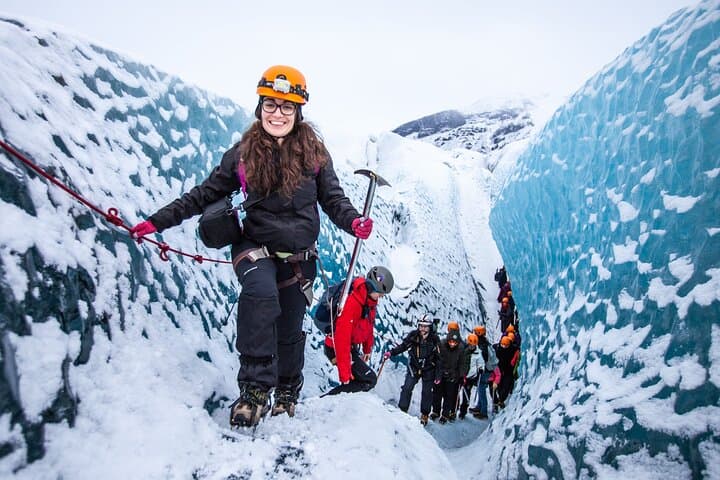
Beneath a sky of shifting light, Skaftafell’s ice reads like a map of time. This three-hour guided glacier hike mixes technical instruction with geology and culture: compact, safe, and unforgettable.