
What the day feels like
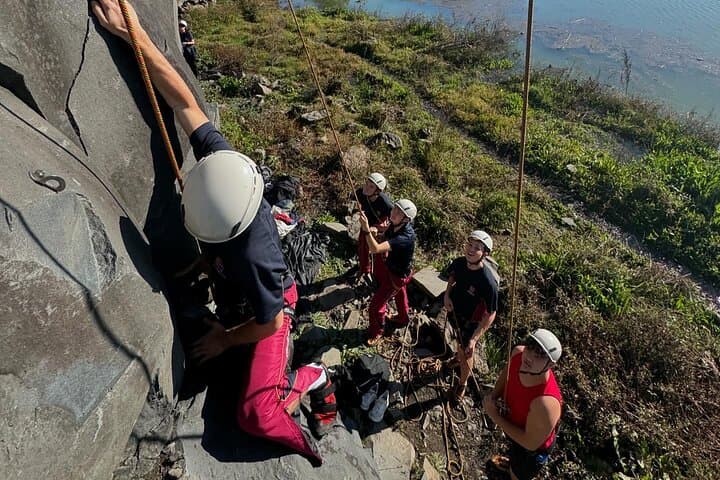
You don’t need to drive hours out of the city to feel the sharp, satisfying scrape of rock under your fingers. On a clear morning at Stonefields, 20 minutes east of downtown Auckland, the basalt faces step out of a suburban greenbelt like a reminder that this city is built on fire and stone. Guides gather the group, clip ropes from bright gear bags, and talk quietly while the wind sorts itself along the cliff—part weather, part audience. The next thing you know the rock dares you to try a line.
This is a guided outdoor climbing experience designed to make that dare manageable. Over roughly four hours, professional guides break down technique, set safe top ropes and lead lines, and tailor routes to the group so beginners get confidence-building climbs while stronger climbers find moves that demand a thought or two. Instruction is part of the price; it’s not just about getting you to the top, it’s about teaching you how to move there efficiently and safely.
Auckland’s geology is the quiet storytelling in the background. The city sits on a volcanic field—dozens of cones, flows, and quarried faces—so the rock here is often dense, weathered basalt. At Stonefields, some of the climbing surfaces are remnant quarry faces and exposed natural outcrops, which means you’ll find a mix of vertical, slabby, and slightly overhanging terrain. The textures reward small feet and hands, and the routes are short enough that each pitch becomes a pocket of focused movement and payoff: a ledge, a view, the clean relief of standing upright without the rope in your hands.
Culture and context matter. Climbing in Auckland is social—small groups, friendly guides, an emphasis on respect for land and local tikanga (Māori customary practices). Guides often explain how to minimize impact: use established anchors, avoid stepping on regenerating plants, and keep to paths. The group will likely include people who’ve never clipped a harness before and others chasing the challenge of cleaner footwork. Expect camaraderie; you’ll belay for someone you met that morning, share beta on a tricky sequence, and probably head to a café afterward to warm up over coffee and layered praise.
Practicalities are straightforward. The outing runs about four hours and is priced from about USD 88 per person, with gear and instruction included. Guides provide harnesses, helmets, ropes, and technical oversight; bring comfortable active clothing, sturdy shoes (approach shoes or grippy trainers), and a small daypack. Routes are set for all levels, but if you’ve climbed before, mention your grade preference so guides can dial in routes with the right amount of friction and thought.
Timing matters. Early mornings are coolest and usually quieter—ideal for beginners learning new moves without the pressure of a line of climbers. Midday brings sun, which can make basalt pleasantly warm in spring and autumn but abrasive in high summer. The four-hour structure typically covers warm-up climbs, one or two instructional segments, and then a final route that pulls the day together—either a personal best or a smoother, relaxed climb to finish on.
Safety is baked into the experience: top-ropes installed by experienced guides, attentive belay partners, and a clear progression through skills. That said, bring hydration, sun protection, and a calm head; rock is unforgiving when you rush. For those who want more, guides also explain anchor building and route-reading, turning a single morning into an entry point for longer, more committed climbs in the region.
What you’ll take away isn’t only a photo at the top. It’s a set of practical skills—foot placement, weight distribution, how to clip quickly and efficiently—plus a better sense of how the city’s volcanic bones make climbing possible minutes from urban life. It’s the memory of a small handhold that felt impossible until you shifted your hips; the sudden lift of trust when your belayer catches you; the crisp view of suburban rooftops framed against native kanuka and pohutukawa scrub.
If you’re planning it, here are the essentials: choose a morning slot in spring or autumn for mild temperatures; prioritize a guided session if you’re new to outdoor rock; wear clothes you can move in and shoes with good friction; and treat the outing as both a technical lesson and an urban escape. The guides know this rock—they’ll read sequences you don’t—and they’ll help you find the line that makes climbing feel not only doable but addictive.
Stonefields is a reminder that compelling adventure needn’t be remote. It’s possible to climb solid rock, work technique, and still be home in time for an evening in town. For a city where volcanoes are part of the address, that combination—access and wildness—feels like one of Auckland’s best public secrets.
Trail wisdom
Small choices, better day.
Start Early
Morning sessions mean cooler rock, less sun exposure, and quieter cliffs—ideal for learning moves without a crowd.
Shoes Matter
Approach shoes or sticky trainers improve friction on basalt and help you move confidently on slabby sections.
Hydrate and Snack
Bring 1–1.5 L of water and a compact snack; climbs are short but demanding and you’ll recover faster with fuel.
Respect Anchors and Vegetation
Use established anchors and avoid trampling regenerating plants—guides will show the low-impact way to climb.
Local knowledge
Read the place, not just the route.
Watch for native species including Tūī (songbird), Pigeon/kererū.
Keep an eye out for wildlife during the transition between areas and habitats. Respect distance guidelines.
Climbers are encouraged to use existing anchors, avoid fixed gear on new areas, and follow local track rules to protect regenerating native vegetation.
Follow the guide's instructions on size limits, ethical handling, and leave-no-trace practices.
Walk the nearby Stonefields Reserve tracks for unexpected views of the city and regenerating native bush. Combine a climb with a short visit to nearby Panmure Basin for a waterside stroll or birdwatching
Locally recommended viewpoints and quiet spots known best to local operators.
Auckland sits on a volcanic field; many urban climbing spots make use of old quarry faces and natural basalt outcrops that tell a geological story.
Maritime roots and regional tradition shape the waterways and working coasts.
Seasonal guide
Four versions of the same landscape.
Spring
Best formild temperatures · learning new techniques · wildflower viewing
Challengesoccasional rain showers · muddy approaches after heavy rain
Spring offers comfortable temps and solid friction on the rock; be prepared for the occasional shower and slick approaches.
Summer
Best forlong daylight · warm rock for cool mornings · post-climb swims nearby (city beaches)
Challengesstrong sun and heat at midday · possible sticky, dusty holds
Summer brings long days—opt for early starts to avoid heat and use strong sun protection on exposed faces.
Fall
Best forstable weather · excellent friction · smaller crowds
Challengescooler mornings that require layers · shortening daylight hours
Autumn is perhaps the most pleasant season for climbing here: crisp air, excellent grip, and fewer weekend groups.
Winter
Best fortraining basics in cooler air · quiet crags
Challengescold, damp rock with reduced friction · short days and possible rain
Winter climbs are quieter but can be cold and damp—dress warmly and expect slower drying times after rain.
Operator details
What the booking data adds.
Included
- ✓Snacks
- ✓Rock Climbng Gear
- ✓Qualified Instructor
- ✓Photos and Videos
Good to know
- ✓Service animals allowed
- ✓Public transportation options are available nearby
- ✓Not recommended for travelers with spinal injuries
- ✓Not recommended for pregnant travelers
- ✓Not recommended for travelers with poor cardiovascular health
- ✓Suitable for all physical fitness levels
Pack with intention
What to bring.
Good to know
Common questions.
No; the guided session is designed for beginners and intermediate climbers, with hands-on instruction and routes tailored to ability.
Plan the edges
The details that make the day easier.
Auckland sits on a volcanic field with roughly 50–53 volcanic centers, making urban climbing and quarried basalt faces a direct expression of the region's geology.
After the climb, head into nearby suburbs for a flat white and pastry at a local café, or drive 15–20 minutes to Mission Bay for waterfront fish and chips and craft beer—Auckland’s café culture makes post-climb refueling simple.
- Closest airport
- Auckland Airport (AKL)
- Typical drive to Stonefields
- ~20–35 minutes from central Auckland
- Cell service
- generally good near urban reserves but can be patchy in gullies
- Permits
- none required for guided climbs, but follow local park rules
Use established routes and anchors, avoid bolting new lines, pack out all waste, and follow guides' instructions to minimize impact on regenerating native plants and bird habitat.
Explore by topic
Follow the threads.
Keep exploring
Make the story part of the trip.
Set out from Bass Harbor for a private, customizable day on Blue Hill Bay — lighthouses, puffins, seals, and the chance to feel Acadia from the water. Small groups, local captains, unforgettable views.
In four hours you can move from shaded canyon ferns to wind-scoured coastal ridgelines, guided by someone who knows where the light—and the hidden views—live. This private half-day hike on the Monterey Peninsula or Big Sur is compact, curated, and perfect for travelers who want depth without a multiday commitment.
 Related story
Beneath a sky of shifting light, Skaftafell’s ice reads like a map of time. This three-hour guided glacier hike mixes technical instruction with geology and culture: compact, safe, and unforgettable.