
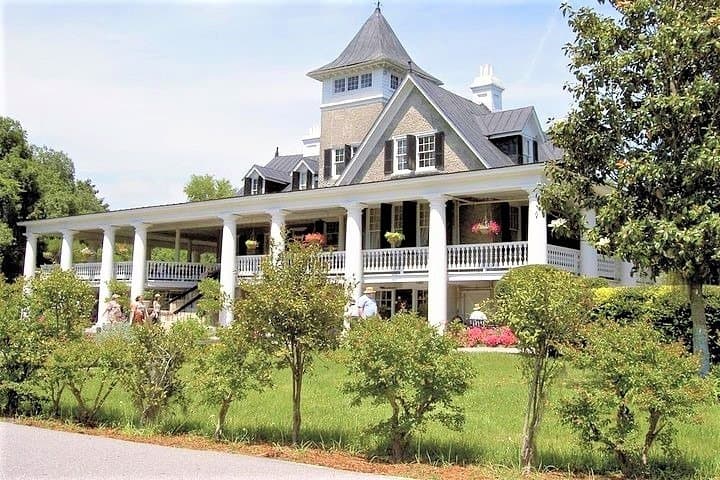
What the day feels like
You step off the coach into a hush threaded with birdsong and the scent of loam and sea-salt—an immediate reminder that Charleston’s Lowcountry is as much water as land. Live oaks drip Spanish moss like green chandeliers, and azalea hedgerows, when they’re blooming, look like a painter spilled a palette across the gardens. The first half-hour at Magnolia Plantation is a grounding exercise: the river slows your pulse, the marsh narrows the map of time, and the plantation’s long arc of history unfolds in three dimensions—house, garden, and riverine landscape. This 4.5-hour tour with transport from Charleston is less an adrenaline rush than a deliberate unspooling of place; it’s a day designed to move through history at human pace, but there’s adventure in that cadence—quiet observation, slow walking, and a few built-in surprises like great blue herons that watch you like old friends.
Magnolia Plantation traces its roots to 1676, making it one of the oldest continuously operated sites in the American South. The garden is one of the nation’s earliest public gardens, a living archive of horticulture that tells the story of colonial land use, antebellum labor, and postbellum preservation. Geologically, you are standing on the Atlantic Coastal Plain—flat, wide, and shaped by tidal rhythms. The Ashley River has cut a slow groove through that plain for millennia; its marshes and blackwater creeks nourish the gardens and the wildlife that call this place home. As you move from the formal beds to shaded swamp boardwalks, the terrain changes from curated to wild, and the experience shifts from human history to natural history.
Gullah culture threads through Magnolia’s story. Enslaved Africans and their descendants shaped the rice fields, gardens, and even local plant knowledge—many of the plantings and landscape techniques are legacies of that knowledge, although public interpretation has been evolving to more accurately reflect these contributions. The tour you’re on is guided—part history lesson, part horticultural primer—with a focus on how the plantation adapted after the Civil War and how the gardens became a public attraction. For a concise local perspective and to connect with a regional expert, see this guided overview of the site from a local guide. (link: https://app.advcollective.com/local-experts/exploring-magnolia-plantation-historic-garden-tour-ashley-river)
Practicalities are simple but important. Your pickup in Charleston means you don’t need to navigate narrow Ashley River Road or worry about parking; the itinerary’s length gives you time for the house tour, tram ride, and a measured walk through the gardens without rushing. The terrain is mostly paved paths, compacted gravel, and short boardwalks—firm underfoot but sometimes shaded and damp, so good footwear is a must. Expect a mix of slow walking and seated transport (tram) that keeps the day accessible for most fitness levels but rewards mobility: the more you walk, the more hidden garden rooms and marsh viewpoints you’ll find.
Wildlife here is unobtrusive but charismatic. Look for herons, egrets, turtles basking on logs, and the slow, watchful eyes of alligators in the deeper sloughs. Birders will appreciate the canopy species and migratory songbirds that stop in spring and fall. Photography opportunities are everywhere: framing a Spanish-moss-draped oak against the river is a classic, but the textures in the garden beds or the reflective blackwater are where unique shots live. If you want a local lens on plant history and vantage points, the same local expert guide above offers a nuanced walk that pairs botany with Lowcountry stories. (link: https://app.advcollective.com/local-experts/exploring-magnolia-plantation-historic-garden-tour-ashley-river)
Timing matters. Spring—especially the azalea season—transforms Magnolia into a riot of color; summer is humid and lush; fall softens the landscape with lower light and fewer crowds; winter is the quiet season when structural garden elements and long views come into focus. Because the tour includes transportation and a guided component, this is an ideal half-day outing for travelers who want context with their strolling. Bring water, a sun hat, and a camera, and allow the place to slow you down: the point here is less to cross items off a list and more to let the garden rearrange your sense of pace.
This tour won’t replace a dedicated botanical study or a multi-day cultural itinerary around Charleston, but it’s a tidy, travel-friendly immersion into the Lowcountry’s layered story. You’ll leave with a sense of how landscape and labor built each other, how salt and freshwater meet in the marsh, and why residents still point to Magnolia as a signature place to understand Charleston’s complicated and beautiful ecosystem. For travelers who want context with convenience—history without logistics—this tour with transportation is precisely that: a well-paced, informative entry into one of the South’s most verdant cultural landscapes. For more planning details and to connect with local guides who flesh out plant lore and river history, this resource links you directly to regional experts. (link: https://app.advcollective.com/local-experts/exploring-magnolia-plantation-historic-garden-tour-ashley-river)
Trail wisdom
Small choices, better day.
Wear sturdy, closed shoes
Paths are mostly firm but can be uneven and muddy after rain—good soles improve comfort and footing.
Pack a refillable water bottle
There’s walking and warm sun in spring and summer; hydration keeps the visit enjoyable.
Bring a sun hat and sunscreen
Open garden sections offer little shade during midday; sun protection is a small comfort with big payoff.
Stay on marked paths
Boardwalks and trails protect marsh habitats and reduce encounters with wildlife like alligators.
Local knowledge
Read the place, not just the route.
Watch for native species including Great blue heron, American alligator.
Keep an eye out for wildlife during the transition between areas and habitats. Respect distance guidelines.
The gardens and boardwalks protect sensitive marsh habitats and prioritize native plantings; visitors should stay on trails and avoid disturbing shoreline life.
Follow the guide's instructions on size limits, ethical handling, and leave-no-trace practices.
The marsh-facing garden terraces for reflective river views. A quiet azalea walk behind the conservatory that sees fewer visitors
Locally recommended viewpoints and quiet spots known best to local operators.
Founded in 1676, Magnolia Plantation’s gardens evolved from working plantation landscapes to public botanical displays, reflecting centuries of Lowcountry horticultural practice.
Maritime roots and regional tradition shape the waterways and working coasts.
Seasonal guide
Four versions of the same landscape.
Spring
Best forAzalea blooms · Migratory birds · Photographic color
ChallengesCrowds during peak bloom · Variable spring showers
Spring is the showiest time—azaleas and camellias peak and birdlife is active, but expect more visitors and occasional rain.
Summer
Best forLush foliage · Frog and turtle watching · Extended daylight
ChallengesHigh humidity · Heat midday · More insects
Summer brings dense greenery and active wildlife but plan for heat and humidity—early morning visits are best.
Fall
Best forFewer crowds · Soft light for photography · Mild temperatures
ChallengesLess floral spectacle · Shorter days
Fall offers calm, cooler temperatures, and good light; plantings are quieter but views and interpretation are excellent.
Winter
Best forArchitectural views · Quiet walks · Cool weather
ChallengesLimited blooms · Some garden features dormant
Winter is the quietest season—structure and long views dominate, and tours feel more reflective.
Operator details
What the booking data adds.
Included
- ✓Guided walk through America's last large scale Romantic Garden
- ✓Round-Trip Transportation Aboard Air-Conditioned Vehicle
- ✓Admission to Magnolia Plantation in Charleston
- ✓30-Minute Tour of Magnolia Plantation Historic Home
- ✓45-Minute Narrated Nature Tram Ride through the Audubon Swamp Gardens
Not included
- —Food and drinks
- —Hotel pickup and drop-off
- —Alcoholic drinks (available to purchase)
Good to know
- ✓Service animals allowed
- ✓Public transportation options are available nearby
- ✓Infants are required to sit on an adult’s lap
- ✓Suitable for all physical fitness levels
- ✓Tour is not recommended for children under 3 years old.
- ✓Drinks are available for purchase at the Magnolia Plantation
- ✓Cannot accommodate wheelchairs, but we can accommodate those with limited mobility if they can be assisted by a companion.
- ✓No pets. Service animals are allowed.
- ✓Dress code is casual
- ✓Please Arrive 15-Minutes before departure time
- ✓Moderate amount of walking is required, not suggested for those with limited mobility
Pack with intention
What to bring.
Good to know
Common questions.
Yes—the tour includes round‑trip coach transportation from a downtown Charleston pickup point.
Plan the edges
The details that make the day easier.
Magnolia Plantation traces its origins to 1676 and its gardens are among the oldest public gardens in the United States.
After the visit, head back to downtown Charleston for Lowcountry staples—shrimp and grits or oyster po’boys at a waterfront spot like Fleet Landing, a farmhouse-style meal at Husk, and a local beer at Westbrook Brewing make a balanced post-visit meal.
- Closest airport
- Charleston International Airport (CHS); Driving distance from downtown Charleston: ~20–30 minutes by coach; Cell service: good in main garden areas, weaker near marsh boardwalks; Permits
- passes
- admission ticket required (included in tour).
The plantation uses boardwalks and defined paths to protect marsh ecosystems—please stay on trails, pack out trash, and avoid feeding wildlife to preserve habitat integrity.
Explore by topic
Follow the threads.
Keep exploring
Make the story part of the trip.
Set out from Bass Harbor for a private, customizable day on Blue Hill Bay — lighthouses, puffins, seals, and the chance to feel Acadia from the water. Small groups, local captains, unforgettable views.
In four hours you can move from shaded canyon ferns to wind-scoured coastal ridgelines, guided by someone who knows where the light—and the hidden views—live. This private half-day hike on the Monterey Peninsula or Big Sur is compact, curated, and perfect for travelers who want depth without a multiday commitment.
 Related story
Beneath a sky of shifting light, Skaftafell’s ice reads like a map of time. This three-hour guided glacier hike mixes technical instruction with geology and culture: compact, safe, and unforgettable.