
What the day feels like
The neon of Ginza blinks like a patient sea—slow pulses of light reflected in puddles and lacquered shop windows—while a narrower world hums beneath it. Slip between glossy storefronts and you find Yurakucho’s under-track izakayas, the steam from ramen bowls curling like smoke signals calling you deeper. On an Adventurous Japanese Food Tour, this is where the city stops performing for the skyline and starts feeding you the kind of food that made Tokyo a destination not just for sushi, but for daring bites and lunchtime rituals that last into the night.
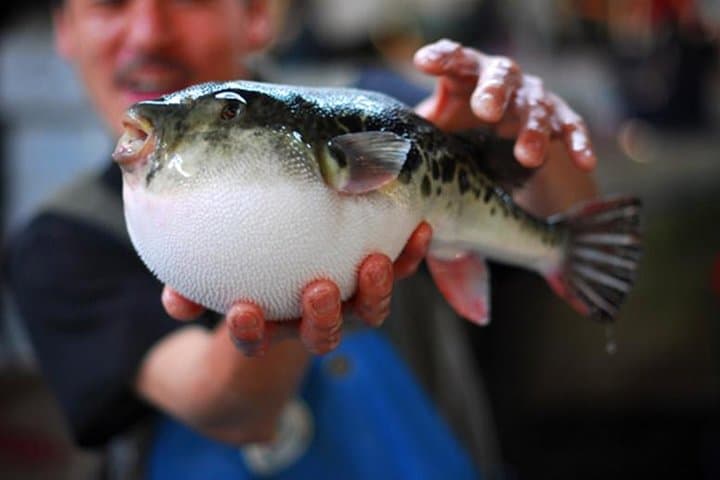
For 2.5 hours you move through a compact map of tastes. Your private English-speaking guide is less a lecturer than a companion with an appetite and an address book: a yakitori joint where skewers hiss as they meet charcoal, a counter sushi bar where fish arrives with the kind of quiet ceremony that turns a bite into an event, and, if your constitution allows, a specialist that serves fugu prepared by a licensed chef. There are stops where horse meat sashimi is offered (a local delicacy in certain quarters), and alleys where ramen is bracing and unapologetic. It’s not a museum tour. It’s an urban crawl designed to make your mouth honest about what it really likes.
Ginza and Yurakucho sit on layers of Tokyo history. Ginza’s name comes from a silver mint established in the early 17th century; after the Great Kanto Earthquake and wartime rebuilding, it reimagined itself as a center of commerce and modernity. The district’s wide boulevards and glass towers were designed to impress; the narrow lanes and tiny bars tucked beneath train tracks remind you why Tokyo's real character has always belonged to small places with thoughtfully made food. Eating here ties you into Edo’s mercantile rhythms—market networks transformed into Michelin-starred counters and honest backstreet kitchens.
Culturally, this tour is an education in restraint and ritual. You’ll notice the silence around a master chef plating a single piece of nigiri, the economy of movement behind an izakaya counter, and the grace of saying arigato when your bowl arrives. There’s a social choreography too: speaking softly in enclosed spaces, removing shoes where required, and understanding that tipping can confuse more than it flatters—most of these places pride themselves on service that’s part of the offering, not something you reward with cash.
Practicalities are straightforward but worth respecting. The tour runs about 150 minutes and covers short walks between venues—expect 1.5–3 kilometers on foot, mostly flat surfaces but tight, often crowded passageways. Price is quoted per booking from approximately USD 309.18; it’s a private experience and can sell out, so book ahead. If you have allergies, dietary restrictions, or a low tolerance for strongly flavored raw meats, tell your guide when you confirm. Many stops accept cash only; a few will take cards.
Safety matters here in a different register than on a mountain trail. Fugu (blowfish) must only be eaten where a licensed chef prepares it, and reputable guides will never push a food you’re uncomfortable with. Respect personal space in tiny restaurants; these are working kitchens and most patrons are locals on their own routines. If you keep an open mind, you’ll come away with a palate recalibrated: a new appreciation for how texture defines taste in Japanese cuisine, and how urban life here feeds the appetite for craftsmanship.
For photographers and social-media-minded travelers, this tour hands you arresting frames: lacquered counters, charcoal flames, bowls steaming in winter light, and the geometry of stacked plates. But remember—many counters ask you to ask before photographing chefs or other diners.
Why take this? Because it compresses a week’s worth of eating education into an evening—tempered by context and guided by someone who knows which venues are windows into local life rather than tourist stagecraft. You leave with taste memories and practical takeaways: how to order a standing yakitori, how to read a sushi menu, and the sense that the most memorable meals are often the ones without a Michelin sticker on the door.
If you want to prepare, come hungry but not famished, carry some cash, and be ready to walk and stand. Bring curiosity—and an appetite for a city that rewards careful attention to flavor, tradition, and the small, fiercely focused kitchens that make Tokyo feel alive.
The tour isn’t for culinary purists only; it’s for travelers who want the city in a mouthful: loud, precise, surprising, and honest. That’s Tokyo in two and a half hours—fast, but with room to savor.
Trail wisdom
Small choices, better day.
Tell the Guide About Allergies
Notify your guide when you book—many stops serve raw or unusual meats and some venues are cash-only.
Carry Cash
Bring small bills and coins; many izakayas and counters prefer cash over cards.
No Tipping Culture
Tipping is not customary in Japan; gratitude is shown by polite thanks and punctuality.
Ask Before Photographing
Respect chefs and diners—ask permission before taking photos inside tight counter seats.
Local knowledge
Read the place, not just the route.
Watch for native species including Large city crows in the station areas, Koi in nearby temple or department store ponds.
Keep an eye out for wildlife during the transition between areas and habitats. Respect distance guidelines.
Support small local businesses and minimize food waste—many of these venues operate on thin margins and sustainable sourcing is increasingly important.
Follow the guide's instructions on size limits, ethical handling, and leave-no-trace practices.
Standing yakitori bars under Yurakucho train tracks. Depachika (department store food halls) for craft desserts and local snacks
Locally recommended viewpoints and quiet spots known best to local operators.
Ginza’s name originates from the silver (gin) mint established there in 1612; the district later transformed into a symbol of modern Tokyo.
Maritime roots and regional tradition shape the waterways and working coasts.
Seasonal guide
Four versions of the same landscape.
Spring
Best forSakura-themed sweets · milder evening walks
ChallengesUnpredictable rain · Cherry blossom crowds
Spring brings gentle weather and seasonal menu items; expect more local crowds during cherry blossom viewing.
Summer
Best forLate-night izakaya crawls · cold noodle dishes
ChallengesHigh humidity · occasional typhoons
Summer is lively and humid; opt for evening tours when the city cools and street-level bars open up.
Fall
Best forComfort foods like ramen · cool, crisp weather
ChallengesEarly evening chill · popular travel season
Autumn is ideal—cool temperatures and seasonal ingredients make long tastings comfortable and flavorful.
Winter
Best forSteaming soups and hot pots · cozy counter seats
ChallengesCold, shorter daylight hours
Winter emphasizes warm, hearty flavors; bring a warm jacket for brief walks between venues.
Operator details
What the booking data adds.
Included
- ✓All taxes, fees and handling charges
- ✓English-speaking private tour guide
- ✓Food tasting and drink: blowfish (fugu), chicken meat and horse meat, whale meet
Not included
- —Alcoholic and non-alcoholic drinks (available for purchase during the tour)
- —Gratuities (Optional)
- —Transportation to/from attractions
- —Admission fees or optional activity costs during add-ons
Good to know
- ✓Public transportation options are available nearby
- ✓Not recommended for pregnant travelers
- ✓Not recommended for travelers with poor cardiovascular health
- ✓Travelers should have at least a moderate level of physical fitness
- ✓When people think of Japanese food, they normally think of sushi, ramen, tempura, udon, kare raisu (rice with curry) and the like, but there are other Japanese delicacies that are popular and common to locals that many who visit Japan may never try.
- ✓Age Requirement:
- ✓This tour is for guests 18 years and older (all guests must be accompanied by an adult that is 18 years or older). Adults are responsible for dietary requirements of younger guests in the group, as well as their own dietary needs.
- ✓Establishments with Smoking:
- ✓Some establishments in Tokyo will allow smoking, and is out of our control. Please bring a facial mask to mitigate some of the smoke if desired.
- ✓This tour operates every day except Friday and Saturday each week. Please select your preferred date accordingly
- ✓Standard Cancellation Policy:
- ✓We will charge a cancellation fee of 100% if booking is cancelled 7 days or less before event
- ✓We will charge a cancellation fee of 50% if booking is cancelled 14 days or less before event
- ✓We will charge a cancellation fee of 25% if booking is cancelled 20 days or less before event
- ✓Q & A:
- ✓What if I'm late?
- ✓Although this is a private tour, the guide will wait up to 30 minutes after the scheduled start time. If you do not arrive within this time, the tour will be considered cancelled.
- ✓Japan Awaits is a licensed tour operator in Japan, with hundreds of registered and vetted tour guides nationwide. We offer tours in any location in Japan and manage all details, including transportation and tickets. Visit Japan Awaits to learn more about our tours or inquire about a custom experience today.
Pack with intention
What to bring.
Good to know
Common questions.
The tour lasts approximately 2.5 hours and includes guided stops at multiple eateries with tastings of local specialties; drinks may or may not be included—confirm on booking.
Plan the edges
The details that make the day easier.
Ginza’s name comes from a silver coin mint (ginza) established there in 1612 during the Edo period—the area has been a commercial center for centuries.
After the tour, duck into a standing bar under the Yurakucho tracks for a quick beer and yakitori, or browse the depachika at Ginza’s department stores for artisanal sweets; for a quieter finish, head to a rooftop bar at Ginza Six for skyline views and a digestif.
- Closest airports
- Haneda (30–45 min taxi), Narita (60–90 min). Meeting point: Ginza or Yurakucho station area. Walking distance: 1.5–3 km. Cell service: excellent. Permits: none required. Payment: some stops cash-only.
Choose tours that support independent eateries, avoid single-use plastics, and request portion control if you prefer less waste—these practices help preserve small culinary operators in Tokyo.
Explore by topic
Follow the threads.
Keep exploring
Make the story part of the trip.
In four hours you can move from shaded canyon ferns to wind-scoured coastal ridgelines, guided by someone who knows where the light—and the hidden views—live. This private half-day hike on the Monterey Peninsula or Big Sur is compact, curated, and perfect for travelers who want depth without a multiday commitment.
 Related story
Beneath a sky of shifting light, Skaftafell’s ice reads like a map of time. This three-hour guided glacier hike mixes technical instruction with geology and culture: compact, safe, and unforgettable.
 Related story
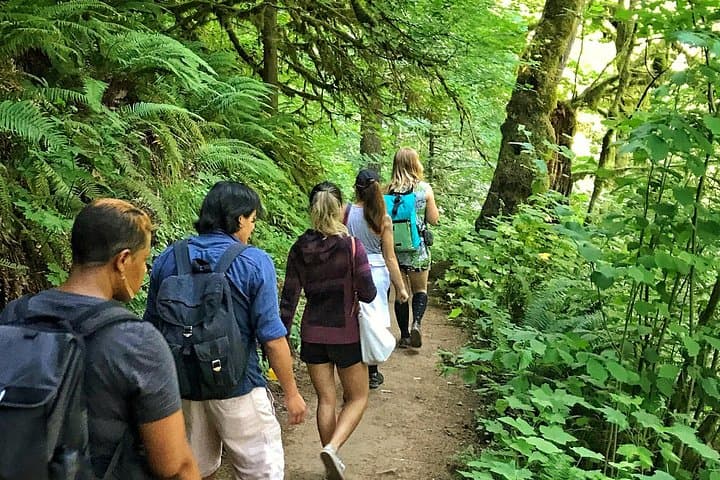
Lose the city for a few hours without leaving it: this 5-mile, 900-foot-gain Forest Park loop threads old-growth pockets, city viewpoints, and cultural landmarks for a compact taste of Portland’s wild side. Expect moss, roots, and stories.