
What the day feels like
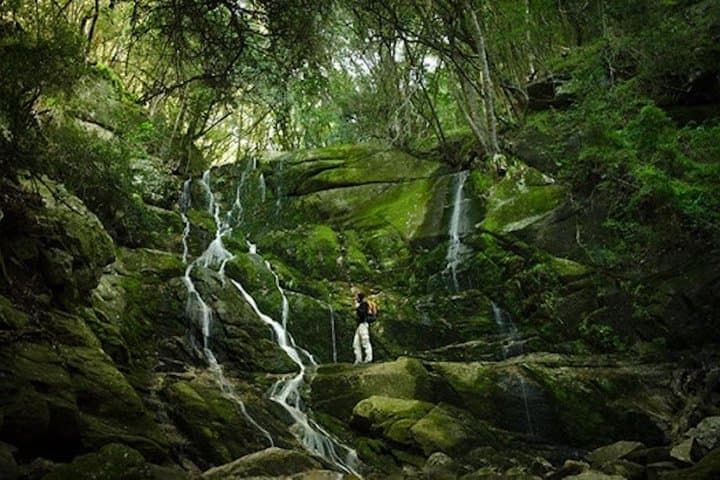
You step off the path at Kirstenbosch Botanical Gardens and the city’s noise loosens like a rope slipping from your hands. The first hour of Skeleton Gorge is a slow immersion: a stitch of Afro‑montane forest where lichen‑draped trees huddle close and a stream keeps time with a constant, patient murmur. Moss clings to boulders like ancient tape, and the trail — at once narrow and determined — winds up through pockets of fynbos that flare with small, fierce flowers in the spring. The gorge feels alive; it leans in and offers you the kind of cool shade that makes you forget you’re still inside a city’s orbit.
You’re not climbing a cliff so much as following a compound of geologic memory. Table Mountain’s sandstone is a slow, stubborn architecture: broad slabs, serrated edges and vertical faces that read like pages in a stone tome. Skeleton Gorge forces you to read a chapter. Early on the trail, roots and stream crossings test your balance; later, the route breaks into rocky steps and short sections of light scrambling. The reward — when the trees finally thin and the plateau unfurls — is immediate: a broad, wind‑scoured top that turns the distant Atlantic into a living sheet of silver and gives Maclear’s Beacon its rightful claim as Table Mountain’s high point.
There’s history in every layer here. Kirstenbosch, at the gorge’s foot, was founded in 1913 to showcase South Africa’s indigenous flora and remains one of the few botanical gardens in the world dedicated entirely to native plants. The fynbos biome that carpets the mountain is both ancient and highly specialized; over millennia it evolved under a regime of fire and drought, producing the dense, diverse scrub that paints the Cape in colors you notice only after you’ve walked at dusk. Culturally, Table Mountain is a sentinel — a landmark for navigators and, in modern times, a symbol of Cape Town itself. Its summit, Maclear’s Beacon, is named for Thomas Maclear, a 19th‑century astronomer whose surveying work helped map southern Africa.
The route up Skeleton Gorge is not a casual stroll. Expect roughly 4 hours of on‑trail time for a guided roundtrip that climbs from Kirstenbosch to the highest point on the plateau and then traverses the tabletop. The itinerary on this experience is crafted for people comfortable with sustained uphill hiking and short sections of scrambling where hands come into play but exposure is minimal. It’s intense enough to be rewarding, manageable enough for many fit, confident hikers, and rich with ecological and photographic highlights.
Practicalities are tidy: book through the listed operator and the tour runs about four hours; pricing starts at roughly $146.83 USD with a note that booking directly through Hike Table Mountain can yield a 15% discount. The tour accepts manual confirmation and carries a good reputation with reviewers praising knowledgeable guides who weave natural history and route‑finding into the ascent. There’s also free cancellation offered by the operator — useful if Cape Town’s famously fickle coastal weather decides to turn the mountain from majestic to misted.
For planning, timing matters. Morning hikes avoid the strongest winds and the bulk of the afternoon tourist traffic on the plateau. Carry water and snacks, wear sturdy boots with confident traction, and expect intermittent cell service once you leave the botanical garden. The trail’s microclimates can shift dramatically: wet, slick rock in shaded ravines and sun‑baked exposure at the top. Respect the fynbos by staying on trail, and allow extra time for slow walkers or for groups who want to linger and photograph the unique flora.
Why do this hike? Because it’s an immersion in a place that holds multiple faces — forest, stream, cliff, and a pancake‑flat summit that looks at you with an Atlantic stare. It’s a shortish alpine narrative: you meet the forest, you climb out of it, you meet the wind on the plateau, and you stand with a city at your feet. For travelers, it’s a full‑bodied sample of Cape Town’s wild side without the logistical commitment of a multi‑day trip. For photographers and nature lovers, it’s a condensed lesson in fynbos diversity and coastal geology. For anyone who wants a route that is challenging but not technical, it’s a clear, rewarding objective.
On the plateau, pause at Maclear’s Beacon, take in the view, and remember to look down as much as out — Table Mountain’s plant life is the main event for those who notice the small things. The descent across the Back Table can include a short detour to a little “beach” of sandstone where the wind softens and the city becomes a postcard floating far below. Leave no trace, respect seasonal fire rules, and if you want a deeper reading of the landscape, go with a guide who can tell you the stories that the stones and plants don’t speak aloud.
In short: if you want a concentrated, high‑value hike near Cape Town that blends forest, scrambling and summit views, Skeleton Gorge to Table Mountain’s summit is a rare stitch of wilderness tied directly to an urban center. It’s brisk, memorable, and perfectly constructed for travelers who want to feel a place underfoot — its textures, its history, and its wind — rather than just see it from a bus window.
Trail wisdom
Small choices, better day.
Start early
Begin at first light to avoid afternoon winds on the plateau and to enjoy quieter trails through the forest.
Bring 2–3 liters of water
There’s no reliable potable water on the ascent; dehydration slows you faster than any slope.
Wear grippy, broken‑in boots
Expect wet roots and steep sandstone — traction matters more than ankle height.
Know your descent
Plan whether you’ll return the same way or cross the plateau — weather and group pace should decide.
Local knowledge
Read the place, not just the route.
Watch for native species including Rock hyrax (dassie), Sunbirds and Cape sugarbirds among the fynbos.
Keep an eye out for wildlife during the transition between areas and habitats. Respect distance guidelines.
The fynbos is fire‑adapted but ecologically fragile; stick to trails, don’t pick plants, and follow local fire regulations to protect these endemic species.
Follow the guide's instructions on size limits, ethical handling, and leave-no-trace practices.
Small sandstone ‘beach’ on the Back Table for a quiet lunch. Hidden viewpoints that look down on Constantia valley — ask your guide to point them out
Locally recommended viewpoints and quiet spots known best to local operators.
Kirstenbosch was founded in 1913 to conserve and display South Africa’s indigenous plants; the mountain’s survey history is linked to 19th‑century astronomer Thomas Maclear.
Maritime roots and regional tradition shape the waterways and working coasts.
Seasonal guide
Four versions of the same landscape.
Spring
Best forWildflower displays · Mild temperatures · Good trail conditions
ChallengesSudden rains · Peak tourist season
Spring (Sept–Nov) brings fynbos in bloom and comfortable hiking temps, but check forecasts for late rains.
Summer
Best forClear coastal views · Long daylight · Cool plateau breezes
ChallengesStrong afternoon winds · Heat in exposed sections
Summer offers long days and clear vistas but be prepared for gusty winds and strong sun on the tabletop.
Fall
Best forStable weather · Fewer crowds · Warm days
ChallengesVariable temperatures between shade and sun
Autumn delivers balanced conditions and quieter trails — a reliable season for this route.
Winter
Best forDramatic cloud inversions · Lush forest after rains
ChallengesWet, slippery rock · Lower temperatures and potential for storms
Winter hikes are atmospheric but require waterproof layers and careful footing on slick sections.
Operator details
What the booking data adds.
Included
- ✓Qualified, highly-experienced, competent, knowledgeable mountain-guide
Not included
- —Snacks
Good to know
- ✓Not recommended for travelers with poor cardiovascular health
- ✓Public transportation options are available nearby
- ✓Travelers should have at least a moderate level of physical fitness
Pack with intention
What to bring.
Good to know
Common questions.
The operator lists a duration of about 240 minutes; expect a challenging uphill with short scrambling sections and a fitter‑moderate pace to reach Maclear’s Beacon.
Plan the edges
The details that make the day easier.
Table Mountain was voted one of the New7Wonders of Nature in 2011, a recognition that highlights its global significance and high biodiversity.
After the hike, refill at the Kirstenbosch Tea Garden or head into the nearby Gardens and Kloof Street neighborhoods for Cape Malay cuisine, fresh seafood, and craft beers—try local fish dishes and a South African pale ale.
- Closest airport
- Cape Town International (CPT) • Trailhead: Kirstenbosch Botanical Gardens (20–30 min drive from CBD) • Driving distance from city center: ~12 km • Cell service: intermittent above tree line • Permits: none required; guided tours available • Price from: $146.83 USD (manual confirmation)
The fynbos biome is sensitive and slow to recover from trampling—stay on marked trails, pack out all waste, and avoid picking or removing plants.
Explore by topic
Follow the threads.
Keep exploring
Make the story part of the trip.
Set out from Bass Harbor for a private, customizable day on Blue Hill Bay — lighthouses, puffins, seals, and the chance to feel Acadia from the water. Small groups, local captains, unforgettable views.
In four hours you can move from shaded canyon ferns to wind-scoured coastal ridgelines, guided by someone who knows where the light—and the hidden views—live. This private half-day hike on the Monterey Peninsula or Big Sur is compact, curated, and perfect for travelers who want depth without a multiday commitment.
 Related story
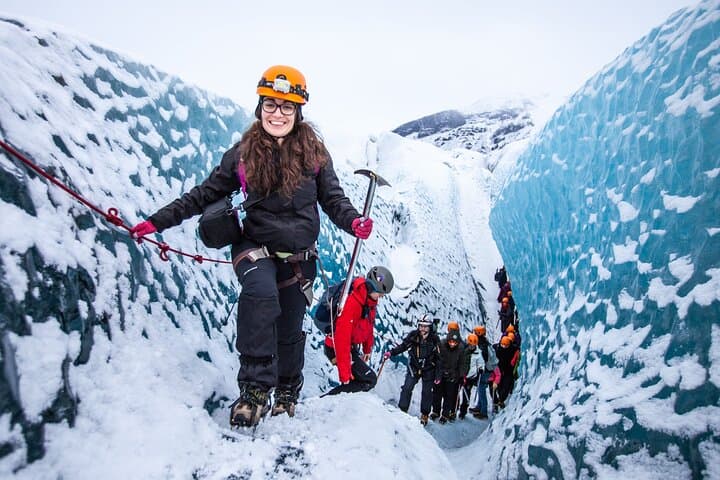
Beneath a sky of shifting light, Skaftafell’s ice reads like a map of time. This three-hour guided glacier hike mixes technical instruction with geology and culture: compact, safe, and unforgettable.