
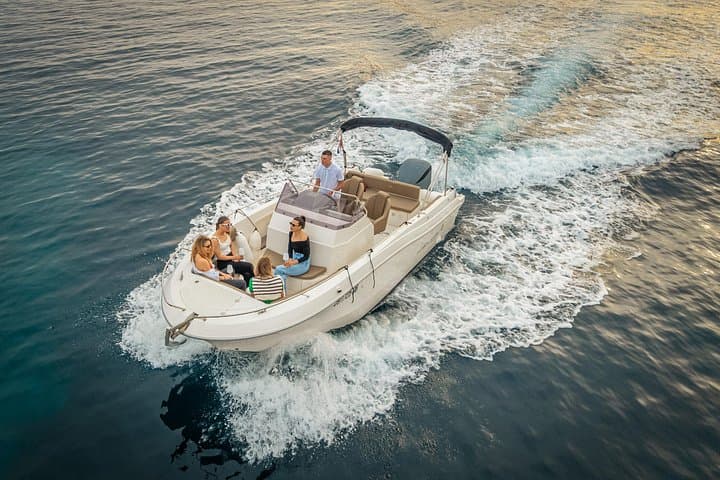
What the day feels like
The engine hums low, a cat purring under the hull, as Dubrovnik’s honeyed walls slip astern. The Adriatic flashes back sunlight like a playful dare. Ahead, the Elafiti Islands rise in soft folds of pine and limestone, inviting you to loosen your grip on time. On this private speedboat tour—just you and your crew aboard a new 26-foot Atlantic Marine powered by a 300-hp Yamaha—the coast doesn’t so much pass by as lean in. The water is clear enough to read the ripples like script. The day is yours to edit.
You point the bow toward Koločep, the closest of the Elafiti, where cliffs crease into small coves and caves that seem to breathe with the tide. The sea does the introductions: first a glitter of green, then a beckoning blue. The Green Cave rolls out a soft emerald glow; slip over the side and it wraps you like a cool shawl. Around the corner, the Blue Cave is bolder—sunlight funnels through a submerged doorway, painting everything in that famous electric hue. The cave doesn’t wait for you; it pulses to its own rhythm, asking you to time your entry between swells. This is the Adriatic in motion: patient and insistent, steady and alive.
From there, the islands play a game of reveal-and-conceal. Pine-scented hills rise over low-stone hamlets. Sea cliffs show off their geology, a chalk-white record of centuries. This is karst country—limestone carved by water and wind, the bora and jugo shaping both shoreline and stories. The Republic of Ragusa—what we now call Dubrovnik—once relied on these islands for ship captains and citrus, and you can still feel that maritime pedigree in the tidy harbors and the way boat wakes stitch villages together.
Lopud drifts into view next, a crescent of color and calm. Most boats ease toward Šunj, one of the rare sandy beaches in southern Dalmatia, where the bottom slopes so gently that the sea seems to practice kindness. Families spread towels; kids invent games; the shore applauds in tiny waves. If you’re feeling a walk, a short path leads past stone walls to the quiet back-lanes of Lopud village, where a Franciscan monastery and weathered villas hint at centuries when noble families summered here under terracotta roofs. Up on the ridge, Fort Sutvrac keeps watch—a 19th-century sentinel with sweeping views if you’re up for the climb.
What sets a private tour apart is pacing. A 300-horsepower engine puts islands at arm’s length, but the freedom to linger is what turns a ride into a day. Drift over fields of Posidonia oceanica—those swaying, oxygen-building seagrass meadows—and you’ll notice the sea exhale. Toss a mask overboard for an easy snorkel; damselfish flicker like confetti and the bottom reveals its textures: pebbles, rippled sand, the occasional limestone shelf fringed with sea fans. If the wind freshens, the captain can pivot to a sheltered cove. If everyone falls in love with a place—say, a quiet mooring near a pine-shaded quay—there’s no clock chasing you on.
Lunch usually means a simple konoba where the catch finds your plate without fanfare: grilled fish glistening with olive oil, a squeeze of lemon, maybe blitva (Swiss chard and potatoes) on the side. The islands don’t rush your appetite. Neither should you. It’s easy to imagine how the Elaphiti got their name—elaphos means deer in Greek—because they move in a graceful herd, each isle nodding to the next.
Back on board, the ride between stops feels like a palate cleanser. In this light, shades of blue stack and shift—the surface a sly collaborator with sun and sky. Midday can deliver the strongest cave glow as light angles in, but early or late slips are quieter; the coves murmur rather than crowd. Families, friend groups, and couples all find their groove here because the route flexes. Little swimmers can practice in gentle shallows; confident paddlers can kick across a cove to test the current’s nudge; sun-seekers can claim the bow while shade chasers tuck under the bimini. The sea accommodates, then challenges, then soothes in that reliable Adriatic cycle.
The Elafiti’s story lives in its details. Dry-stone walls terrace hillsides; citruses still perfume gardens; the church bells keep their cadence. Within sight of Dubrovnik’s storied ramparts, the islands offer a reset—same coastline, slower beat. Practicalities are straightforward: this tour runs as a private charter for up to eleven, ideal for multigenerational groups or those who want a personalized pace. Bring reef-safe sunscreen; the Adriatic is as clear as it is sensitive. Water shoes help with rocky entries at caves. A dry bag will let your phone survive those irresistible swim shots. If the wind kicks up, trust the route’s adaptability; the captain will thread leeward passages and read swells like a local.
Timing? Summer brings heat and crowds—start early to claim the calm and that glassy first dip. Spring and fall are quieter, with water warmest from late June through September, and September often landing the sweet spot: warm sea, lighter traffic, and sunsets that linger. Winter offers a moody seascape and near-empty coves, but seas can be rough and many island eateries take a seasonal pause. Regardless of the month, the sea calls the tune; tours go when conditions are right.
By the time you swing back toward Dubrovnik, the city seems to float—walls bright, ferries tracing deliberate lines, Lokrum’s green shoulder holding the horizon. Salt dries on your skin. The boat eases back to idle. The day has been a simple circuit—caves, beach, harbor—but the sea has had its say, pushing you forward, letting you linger, reminding you that the Adriatic’s best stories are told at water level, with spray on your lips and a horizon that keeps opening just ahead.
Trail wisdom
Small choices, better day.
Time the Caves Right
Midday sun often intensifies the Blue and Green Cave glow; go early or late if you prefer fewer boats and gentler traffic.
Swim Smart
Cave entrances can be narrow with surge—enter one at a time and wear fins if you’re not a strong swimmer.
Protect the Seagrass
Ask your skipper to anchor on sand or use moorings to avoid damaging Posidonia meadows.
Shade and Hydration
Use the bimini during transits, reapply reef-safe sunscreen, and sip water regularly—summer heat sneaks up fast.
Local knowledge
Read the place, not just the route.
Watch for native species including Bottlenose dolphins (occasional sightings), European shags drying wings on rocky points.
Keep an eye out for wildlife during the transition between areas and habitats. Respect distance guidelines.
Seagrass meadows around the islands store carbon and shelter juvenile fish. Use designated moorings when possible and avoid anchoring on grass beds.
Follow the guide's instructions on size limits, ethical handling, and leave-no-trace practices.
Fort Sutvrac on Lopud for panoramic island-and-sea views. The pine path behind Šunj Beach for a quiet stroll between swims
Locally recommended viewpoints and quiet spots known best to local operators.
The Elafiti—named from the Greek word for deer—supplied skilled sailors to the Republic of Ragusa, whose merchant fleet once rivaled Venice’s.
Maritime roots and regional tradition shape the waterways and working coasts.
Seasonal guide
Four versions of the same landscape.
Spring
Best forQuieter coves · Mild temps
ChallengesCooler water · Changeable winds
Shoulder season calm with fewer boats and fresh green hillsides; bring a light layer for breezy crossings.
Summer
Best forWarmest water · Longest days
ChallengesCrowds at caves · Intense sun
Peak season delivers idyllic swims and lively harbors—start early to beat traffic and secure unhurried cave time.
Fall
Best forWarm seas · Fewer crowds
ChallengesShorter days · Occasional storms
September and early October balance warm water with breathing room; keep an eye on forecasts for passing fronts.
Winter
Best forSolitude · Moody seascapes
ChallengesRougher seas · Limited services
Sparse traffic and dramatic light, but many restaurants close and conditions can cancel departures.
Operator details
What the booking data adds.
Included
- ✓Bluetooth music player
- ✓Life jackets
- ✓Drinks (beers, water, soft drinks, wine)
- ✓Towels
- ✓All Fees and Taxes
- ✓Use of Snorkelling equipment
- ✓Skipper
- ✓Port pickup and drop-off
Not included
- —Lunch
- —Fuel surcharge
Good to know
- ✓Service animals allowed
- ✓Public transportation options are available nearby
- ✓Not recommended for travelers with spinal injuries
- ✓Not recommended for pregnant travelers
- ✓Not recommended for travelers with poor cardiovascular health
- ✓Suitable for all physical fitness levels
- ✓Experience requires good weather, in case of bad weather you ll be offered another date or full refund
- ✓Fuel surcharge (cash, paid on the boat): ●Half-day tour (4 h): €100 ●Full-day tour (8 h): €150
Pack with intention
What to bring.
Good to know
Common questions.
No, but you should be comfortable in open water. Cave entrances can have mild surge—use fins, go one at a time, and follow the skipper’s guidance.
Plan the edges
The details that make the day easier.
Šunj Beach on Lopud is one of the few natural sandy beaches in southern Dalmatia, famous for its long, shallow approach ideal for relaxed swimming.
After the boat day, grab a cold Ožujsko or a glass of local Pošip on a Lopud terrace, then back in Dubrovnik, try grilled Adriatic fish at a konoba in the Old Town lanes. For dessert, seek out rožata, a local custard with caramel and citrus. If time allows, stroll the Stradun at dusk—when the stone glows and the city exhales.
- Nearest airport
- Dubrovnik (DBV), ~22 km from Old Town. Typical departure: Dubrovnik’s harbor near Port Gruž; 10–15 minutes by taxi from Old Town. Cell service: generally good around the islands, spotty inside caves. Permits: Not required for passengers on a licensed private tour; bring ID and some cash for island stops.
Anchor on sand or use moorings to protect Posidonia seagrass, skip single-use plastics, and choose reef-safe sunscreen—the Adriatic’s clarity relies on these small decisions.
Explore by topic
Follow the threads.
Keep exploring
Make the story part of the trip.
In four hours you can move from shaded canyon ferns to wind-scoured coastal ridgelines, guided by someone who knows where the light—and the hidden views—live. This private half-day hike on the Monterey Peninsula or Big Sur is compact, curated, and perfect for travelers who want depth without a multiday commitment.
 Related story
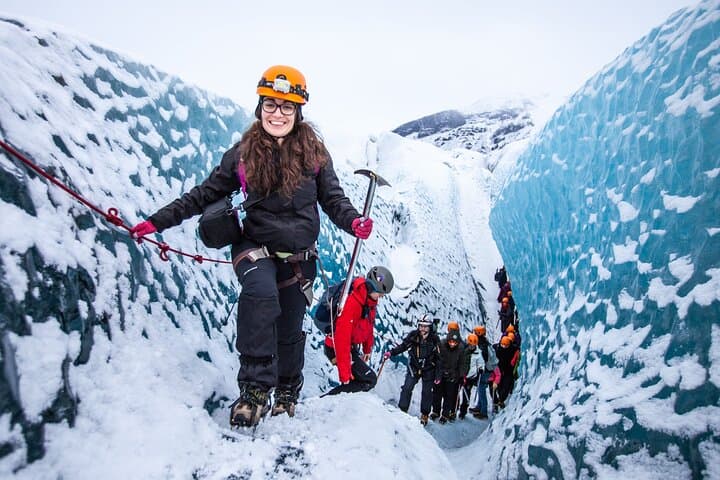
Beneath a sky of shifting light, Skaftafell’s ice reads like a map of time. This three-hour guided glacier hike mixes technical instruction with geology and culture: compact, safe, and unforgettable.
 Related story
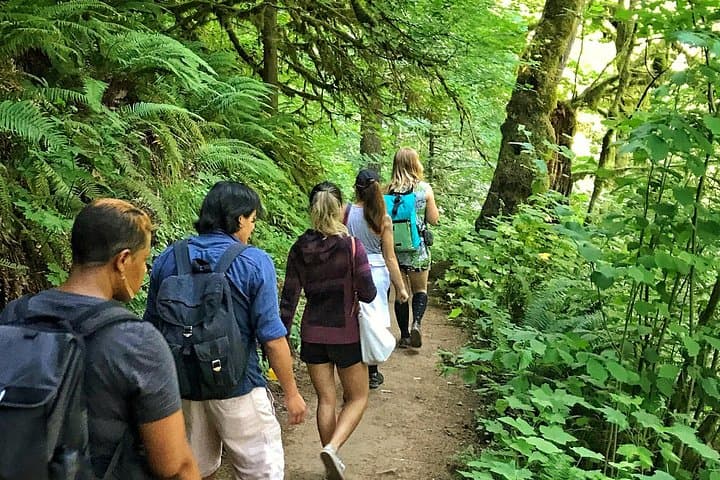
Lose the city for a few hours without leaving it: this 5-mile, 900-foot-gain Forest Park loop threads old-growth pockets, city viewpoints, and cultural landmarks for a compact taste of Portland’s wild side. Expect moss, roots, and stories.