
What the day feels like
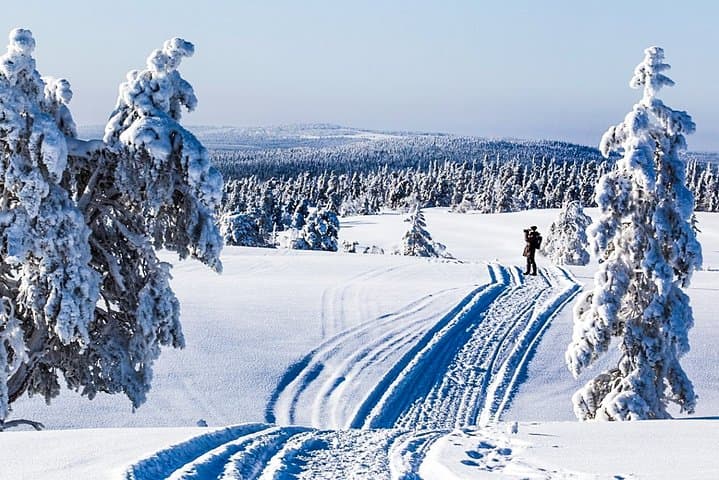
The engine arrives as a small, human thing — a controlled pulse in a wider quiet. At 9 a.m. your guide meets you in Kemi, hands you a helmet, and the town's muted harbor light slides behind as the convoy drives inland. In minutes the road ends; the world becomes a graphite map of pines, frozen lakes and tundra. Snow rises under the skis and treads like a living thing, and the wind edits everything into a single, sharp note. You realize quickly that this is not a sightseeing loop but a machine-mediated conversation with the Arctic: the snowmobile asks for throttle and attention, and rewards you with speed and reach through places you’d otherwise never see.
This is the promise of the <a href="https://app.advcollective.com/local-experts/explore-katkavaara-arctic-snowmobile-safari-finlands-frozen-wilderness">Kätkävaara Arctic Snowmobile Safari</a> — a full door-to-door outing from Kemi with roughly 4–5 hours of riding across lakes, river crossings, peat bogs and forested ridgelines. The operator bundles local know-how with careful routes that thread natural features and offer consistent mountain views from Kätkävaara’s modest summit. You’ll cross hard-packed lake ice and wind through trees that arc like cathedral ribs, glaciers of old snow striated with wind, the occasional reindeer track telling a parallel story.
The geology here is subtle but telling. Northern Finland’s bedrock is ancient — part of the Fennoscandian Shield — and the landscape you ride is largely sculpted by ice, thaw and time: glacial moraines, shallow drumlins and peatlands that hold long winters and a specific, quiet ecology. In winter, those peat bogs freeze into a deceptively flat white; in spring they soften into a complex wetland that rewards patience and respect. Culturally, you’re in the heart of Lappish Lapland, where reindeer husbandry still shapes life and Sami traditions meet Finnish rural practices. Snowmobiles are practical machines here, not just toys: they carry people across snowbound distances for work and connection to land.
Practical reality sits close to poetry on this trip. Expect a door-to-door duration of about seven hours total (the operator’s schedule includes transfers and breaks), with 4–5 hours actually spent on the machines. Terrain varies from fast, open lake stretches where you can relax into cruising speeds, to tighter forest singletrack where the machines demand subtle inputs and attention. Guides brief you on throttle control, braking on ice, and how to read black ice and snow bridges. This is a guided safari, so you don’t need prior snowmobiling experience — but you should be honest about fitness and comfort operating a small off-road vehicle.
Timing and light matter here. Winter days in Kemi are short from November to January; by late February and March daylight returns and temperatures climb into more comfortable ranges while snowpack remains reliable. That window also brings higher chances of clear skies and sparkling, photogenic conditions. Dress in layers, prioritize windproof outer shells and insulated gloves, and keep spare batteries warm in inner pockets; the cold kills camera batteries faster than any rookie mistake.
Safety and sustainability are built into the route. Guides keep to proven trails and avoid fragile wetlands and breeding grounds; they’ll explain when to dismount and walk across potentially thin ice. Snowmobiling leaves a footprint — gas-burning machines, noise and track scars — so choose operators who practice careful route selection and minimize off-trail travel. Small choices matter: keep to designated corridors, pack out everything you bring in, and ask your guide how to support local conservation efforts.
Why go? Because this ride gives you access — access to open sky, to the hush of snow, to a speed that’s joyful without being reckless. It’s social (shared machines, shared breaks at a warming hut), primal in a way that city-slicker adventure rarely is, and practical: you cover a lot of ground and see a breadth of Lapland in a single day. For photographers, the changing light on lakes and the stark silhouettes of pines offer high-contrast scenes you can’t replicate in summer. For families, operators typically tailor speed and safety to mixed groups. And for anyone curious about Arctic life, the guide’s local knowledge of reindeer, Sami culture and wood-fired huts will deepen the ride beyond pure adrenaline.
Book with these realities in mind: medications, cold-weather gear and a realistic appraisal of your tolerance for wind and open exposure make the day better. Expect basic hot drinks and a fireside snack mid-ride, and a return to Kemi in the late afternoon with a different kind of tired — the pleased, layered ache that follows a day well spent on machinery and snow.
If you want to level up your planning, the local expert page for the route contains detailed logistics and operator contacts: <a href="https://app.advcollective.com/local-experts/explore-katkavaara-arctic-snowmobile-safari-finlands-frozen-wilderness">explore Kätkävaara Arctic Snowmobile Safari</a>. Go prepared, respect the land, and you’ll come back with a handful of stories, a pocketful of images and, likely, a plan to return.
Trail wisdom
Small choices, better day.
Layer for wind and warmth
Wear a windproof outer shell, insulated mid-layers, and keep gloves and spare liners in a warm pocket to prevent numbness.
Protect camera batteries
Cold drains batteries quickly—carry spares in an inner pocket and shoot conservatively to avoid losing power.
Listen to your guide
Guides read ice, soft peat and weather; follow their instructions for crossing lakes and tight forest sections.
Bring ID and a printed booking
Operators require ID and may request printed confirmations at check-in—carry both to speed boarding.
Local knowledge
Read the place, not just the route.
Watch for native species including Reindeer, Snow hare.
Keep an eye out for wildlife during the transition between areas and habitats. Respect distance guidelines.
Operators should stick to marked trails to protect peatlands and breeding grounds; avoid off-trail riding and pack out all waste to reduce impact.
Follow the guide's instructions on size limits, ethical handling, and leave-no-trace practices.
Ride an open lake at dusk for mirror-like reflections. Short hike at Kätkävaara summit for panoramic views
Locally recommended viewpoints and quiet spots known best to local operators.
This area of Finnish Lapland has long been used for reindeer herding and winter travel routes; Kemi itself developed as a port for timber and later industrial activity.
Maritime roots and regional tradition shape the waterways and working coasts.
Seasonal guide
Four versions of the same landscape.
Spring
Best forLonger daylight · Stable late-season snow
ChallengesThawing snow bridges · Soggy trails later in season
Late winter into spring (Feb–Apr) offers lengthening days and reliable snowpack, but watch for softening ice and slushy edges as temperatures rise.
Summer
Best forN/A — snowmobiles not recommended · Off-season local culture experiences
ChallengesNo snow—different vehicles required · Limited snowmobile access
Summer is outside snowmobile season; operators typically offer other activities. The landscape shifts to peatlands and birch forests.
Fall
Best forAurora season onset · Transitional wildlife viewing
ChallengesUnreliable early snow · Wet ground and low temperatures
Early winter conditions are unpredictable; solid snowpack usually arrives by late November but can be variable.
Winter
Best forConsistent snow · Clear cold-weather skies
ChallengesShort daylight in midwinter · Extreme cold in dec–jan
Mid-winter delivers the most reliable conditions for snowmobiling—plan around daylength and dress for deep cold.
Operator details
What the booking data adds.
Included
- ✓Organizer's liability insurance
- ✓Winter adventure gear and helmet
- ✓Approx. 3h snowmobile driving
- ✓Guidance services
- ✓Light lunch by the open fire with hot beverages
- ✓Transportation
Not included
- —Ivalo transfer available for an additional fee.
Good to know
- ✓Not recommended for travelers with spinal injuries
- ✓Not recommended for pregnant travelers
- ✓Travelers should have a high level of physical fitness
- ✓Vegetarian option is available, please advise at the time of booking if required
Pack with intention
What to bring.
Good to know
Common questions.
No — this is a guided safari. Instructors provide a safety briefing and basic driving tips before you head out; guides tailor pace to the group.
Plan the edges
The details that make the day easier.
Kemi is home to an annual SnowCastle and sits on the northern shore of the Bothnian Bay—both are notable local winter attractions.
After the ride, head back to Kemi for smoked salmon or reindeer stew and consider a harbor walk. The town also offers icebreaker Sampo tours and the seasonal SnowCastle experience for a fuller Arctic day.
- Closest airport
- Kemi-Tornio Airport (KEM). Driving time from Kemi center to Kätkävaara area: ~45–60 minutes. Cell service: generally available near roads, intermittent in deep forest
- lake areas. Permits
- None for guided tours; stay on guided routes and respect private land.
Stick to marked trails, avoid off-trail riding in sensitive peatlands, and pack out all trash; choose providers who minimize disturbance and follow local conservation guidance.
Explore by topic
Follow the threads.
Keep exploring
Make the story part of the trip.
Set out from Bass Harbor for a private, customizable day on Blue Hill Bay — lighthouses, puffins, seals, and the chance to feel Acadia from the water. Small groups, local captains, unforgettable views.
In four hours you can move from shaded canyon ferns to wind-scoured coastal ridgelines, guided by someone who knows where the light—and the hidden views—live. This private half-day hike on the Monterey Peninsula or Big Sur is compact, curated, and perfect for travelers who want depth without a multiday commitment.
 Related story
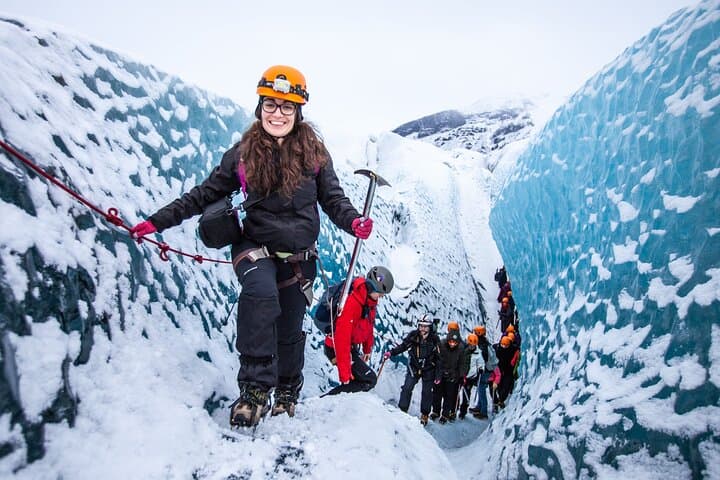
Beneath a sky of shifting light, Skaftafell’s ice reads like a map of time. This three-hour guided glacier hike mixes technical instruction with geology and culture: compact, safe, and unforgettable.