
What the day feels like
The ferry cuts a clean line through Table Bay, salt spray tasting of ocean and a city you’ve left behind. Cape Town’s skyline, dominated by Table Mountain’s flat crown, slowly shrinks as the island grows—rock, grass, and the white scar of former prison walls. There’s a stillness to Robben Island that contradicts its violent history; wind and sea have smoothed its edges, and the land seems to watch you approach, patient and uncompromising.
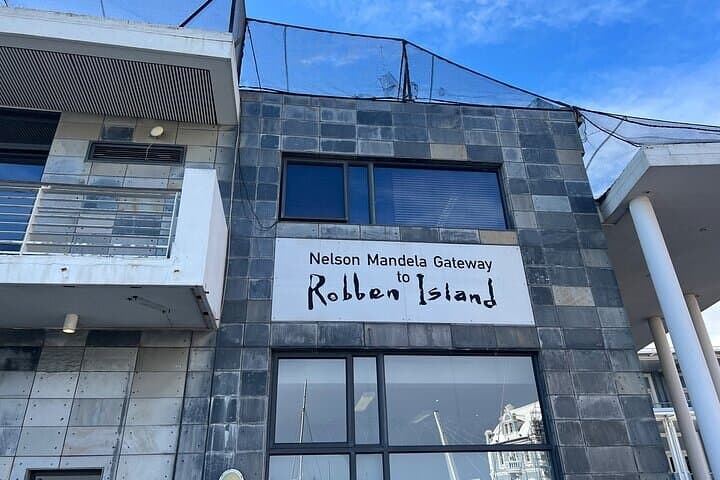
This full-day tour is simple in logistics but complex in feeling. It’s a 4–5 hour immersion that begins at the Nelson Mandela Gateway on the V&A Waterfront, includes a roughly 30–45 minute boat ride each way depending on sea conditions, and a guided walk through the prison precinct where Nelson Mandela and other political prisoners were held. Guides—some of whom were incarcerated there—lead the group into cramped cells and across the sun-baked exercise yards, translating brick and barbed wire into human stories.
The island’s first impression is geological: a low basalt stub marking the entry to Table Bay. Its soils are thin, its scrubland resilient; few trees, only the wind-twisted stands that survive exposure to the Atlantic squall. This flatness is what made Robben Island a practical prison: in the 17th through 20th centuries, its geology and isolation made escape nearly impossible. Yet that same isolation has preserved other narratives—shipwrecks off its shores, a history of leprosy hospitals, and the antiphonal calls of seabirds that have reclaimed the cliffs.
Robben Island’s meaning is cultural as much as physical. It is a World Heritage Site and a living museum of South Africa’s apartheid history. Walking the corridors you feel time in two registers—the slow, patient work of stone and wind shaping place, and the abrupt, human timeline of incarceration and resistance. Guides pull no punches: the tour frames the island not as a relic but as a classroom, a memorial where personal testimony and documentary artifacts illuminate the politics that shaped modern South Africa.
For travelers, the contrast is compelling: the same sea that offers a postcard view of Table Mountain also delivered men and women into confinement. Nature here is not decorative; it has agency. Wind dares you to linger on the shoreline; the sea keeps its own counsel. That relationship—between landscape and human history—is the tour’s central lesson.
Practicalities are straightforward but worth heeding. The full tour runs about 4 to 5 hours total, with most departures leaving mid-morning from the V&A Waterfront’s Nelson Mandela Gateway. Ferry crossings are subject to wind and swell—mornings usually offer the calmest water and the clearest light for photos. The route and commentary are standardized, but the emotional impact depends on your curiosity and willingness to listen.
What to expect physically: you’ll do moderate walking on mixed surfaces—gravel, paved paths, and narrow prison corridors. Expect uneven footing and sun exposure; there’s little shade in the prison precinct. The island can be colder than the city because of wind off the ocean, so a layered jacket is wise even on warm days.
Booking is essential. Tours sell out frequently, and access to the prison is controlled—this is not a drop-in attraction. The Viator itinerary includes round-trip ferry and a guided island tour; confirm weather policies and cancellation terms when you book. Photography is allowed in much of the site, but some exhibits and cells may be restricted—ask your guide and be respectful in spaces of memory.
After the tour, return to the Waterfront to unpack what you’ve seen. Cape Town’s food scene is a practical complement: nearby, harborside restaurants offer seafood and Cape Malay flavors that speak to the region’s layered cultural history. If you have a spare afternoon, a walking tour of Bo-Kaap or a visit to District Six Museum extends the context the island provides.
Why go? This is not a scenic detour—though the views are excellent. It is a pilgrimage of understanding: a chance to learn how political systems shape ordinary lives, and how people endure and make meaning afterward. For travelers who want an experience that pairs landscape with history, Robben Island is a rare and necessary stop.
Final planning notes: prioritize morning sails, bring layers and sun protection, reserve tickets in advance, and allow time afterward to process the visit—Robben Island asks you to think beyond the photo you take on the deck. It keeps teaching long after the ferry docks.
This tour balances the practical with the profound: clear logistics, meaningful interpretation, and a landscape that resists easy categorization. You come for a boat ride and a museum; you leave with a sharper sense of how place and memory interact—and how the sea that separates us can also be a bridge.
Trail wisdom
Small choices, better day.
Book Early
Tours often sell out; reserve in advance and choose a morning departure for calmer seas.
Layer Up
Wind off Table Bay makes the island chillier than the city—bring a windproof layer.
Sun Protection
Most of the prison precinct is exposed—wear sunscreen and a hat.
Respect the Site
Photography is allowed in many areas but follow guide instructions in memorial spaces.
Local knowledge
Read the place, not just the route.
Watch for native species including African Penguin (nearby on other islands/shorelines), Cape Gannet and other seabirds.
Keep an eye out for wildlife during the transition between areas and habitats. Respect distance guidelines.
The island is managed as a museum and heritage site—visitors are encouraged to stick to paths, avoid disturbing wildlife, and take all rubbish back to the mainland.
Follow the guide's instructions on size limits, ethical handling, and leave-no-trace practices.
The shoreline viewpoints on the island’s west side for unobstructed Table Mountain photos. After the tour, a short walk through the V&A Waterfront’s historic harbor precinct and its maritime exhibits
Locally recommended viewpoints and quiet spots known best to local operators.
Robben Island served as a leper colony, military base, and political prison; its most recent role as a site of imprisonment for anti-apartheid activists is central to its World Heritage listing.
Maritime roots and regional tradition shape the waterways and working coasts.
Seasonal guide
Four versions of the same landscape.
Spring
Best forCalmer seas · Migratory birdwatching
ChallengesUnpredictable weather · Cooler mornings
Spring (Sept–Nov) brings milder winds and good visibility—ideal for clearer ferry crossings and birdlife viewing.
Summer
Best forWarm weather · Extended daylight · Harbour views
ChallengesStronger sun · Occasional southerly storms
Summer (Dec–Feb) offers the most reliable warm weather, but bring sun protection and a light windbreaker.
Fall
Best forFewer crowds · Stable weather
ChallengesCooling temperatures late in season
Autumn (Mar–May) often has stable seas and quieter departures—an excellent shoulder-season choice.
Winter
Best forDramatic skies · Off-season visits
ChallengesChoppier seas · Colder, windier conditions
Winter (Jun–Aug) can be rough on the bay; check cancellations and dress warmly if you go.
Pack with intention
What to bring.
Good to know
Common questions.
Ferry crossings typically take about 30–45 minutes each way, depending on sea conditions.
Plan the edges
The details that make the day easier.
Nelson Mandela spent 18 of his 27 years in prison on Robben Island, and the site is now a UNESCO World Heritage Site.
After disembarking, head to the V&A Waterfront for harborside seafood and Cape Malay dishes that reflect Cape Town’s multicultural culinary history; Bo-Kaap’s colorful streets and cafés are a short taxi ride away for more traditional flavors.
- Closest airport
- Cape Town International Airport (CPT); Departure point: Nelson Mandela Gateway, V&A Waterfront; Driving distance from Cape Town CBD: ~5–10 km; Cell service: Good in Cape Town, intermittent on the island; Permits
- Tickets
- Pre-booked ferry
Robben Island is a protected World Heritage site—stick to designated paths, avoid disturbing bird nesting areas, and pack out any trash to preserve the island’s ecology and historical integrity.
Explore by topic
Follow the threads.
Keep exploring
Make the story part of the trip.
Set out from Bass Harbor for a private, customizable day on Blue Hill Bay — lighthouses, puffins, seals, and the chance to feel Acadia from the water. Small groups, local captains, unforgettable views.
In four hours you can move from shaded canyon ferns to wind-scoured coastal ridgelines, guided by someone who knows where the light—and the hidden views—live. This private half-day hike on the Monterey Peninsula or Big Sur is compact, curated, and perfect for travelers who want depth without a multiday commitment.
 Related story
Beneath a sky of shifting light, Skaftafell’s ice reads like a map of time. This three-hour guided glacier hike mixes technical instruction with geology and culture: compact, safe, and unforgettable.