
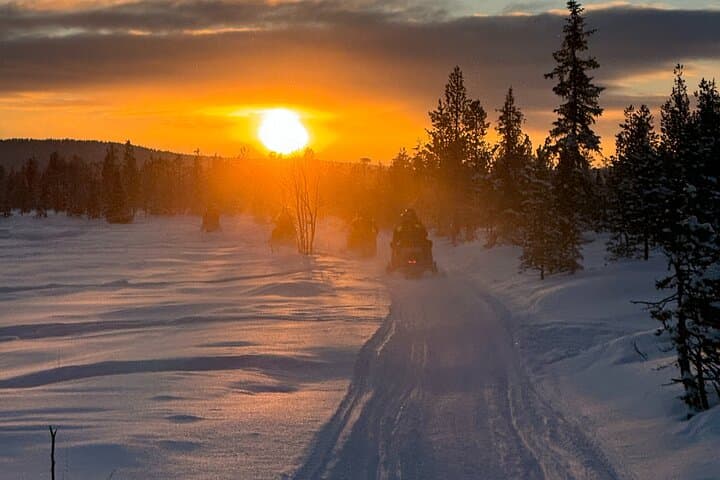
What the day feels like
The sky goes on forever in Swedish Lapland — a pale vault of low, hard winter light that makes every breath visible. You kick the starter on a cold, well-oiled snowmobile and the machine answers like a living thing, eager and precise. For the next three and a half hours you’re not on a groomed ski run or a highway of packed snow; you’re threading between frozen rivers and open tundra, following the soft compass of the guide’s tracks and the distant silhouette of a birchline. This is Kiruna in winter: raw, quiet, and dangerously easy to love. If you want an introduction to the Arctic that isn’t merely scenic but kinetic, this is it.
The <a href='https://app.advcollective.com/local-experts/explore-swedish-lapland-snowmobile-adventure-kiruna-arctic-wilderness'>snowmobile adventure in Kiruna</a> folds the technical thrill of a high-quality, well-run motorized ride into the kind of landscape that shaped reindeer herding cultures for millennia. Guides provide modern machines and warm suits, but what endures here is older — the flat, glacially carved plains that drain toward the Torne and Kalix river systems and the slow, unflinching calendar of Arctic seasons. The route is the story: a strip of soft silence interrupted by engine notes, the occasional lift of a snowdrift, and the brief flash of a moose or reindeer at the edge of the grove.
Kiruna sits above the Arctic Circle, in Sweden’s mineral-rich Norrbotten County. The town’s 19th-century foundation is tied to iron ore — and that same geology defines the landscape you race across. The bedrock here is part of the Fennoscandian Shield, scoured in the last ice age into the broad, rolling tundra you see today. Cultural context is ever present: Sami herding routes cross parts of this terrain, and reindeer are as much a part of the view as the stunted birches, making respectful interpretation by your guide an important part of the experience.
Guided snowmobiling experiences out of Kiruna are designed to balance thrills with stewardship. The machines are powerful but manageable, usually covering 40–70 kilometers in a half-day depending on conditions, with stops to stretch, drink hot coffee, and admire the landscape. Learn a few basics before you go: how to shift weight into turns on packed snow, how to read distant ridgelines for wind-scoured passages, and how to keep your camera lenses from fogging in 20-below temperatures. Tours often include gear — insulated suits, helmets, gloves — and instructors who calibrate the ride for novices and experienced riders alike.
Wildlife is part of the tapestry but not the guarantee: reindeer are common, moose are shy and majestic, and fox prints often dot the snow. Guides understand where not to push: they route around calving grounds and follow seasonal rules to avoid disrupting Sami herders. In the evenings, Kiruna’s small cluster of cafes and lodges offers warming soups and a local beer at places like Camp Ripan or the community of Jukkasjärvi, home to the famous Icehotel — a reminder that this frontier supports both industry and fragile cultural traditions.
Practicalities are straightforward. The tour runs about 3.5 hours (210 minutes) and is an accessible crash course in winter motorized travel for most people in decent shape. Expect guided instruction, warm overalls, and a chance to drive your own machine in most group setups. Safety briefings are standard; helmets and safety limits are enforced. Plan to book ahead in high-winter months — operators run guided departures more frequently in February and March, when daylight returns and the snowpack is stable.
For photographers and quiet seekers, timing matters. Early morning runs give crisper light and fewer people; late-afternoon trips can glow with a low, sculpting sun. Similarly, the longer your stay in Kiruna, the better your odds of pairing this motorized rush with calmer winter pursuits: dog sledding, a visit to the Icehotel, or a night chasing the aurora if the sky cooperates.
Practical planning: arrive with layered clothing, warm footwear, and a camera with spare batteries (cold drains them fast). Keep a compact daypack with water, a windproof shell, and snacks. If you have mobility limitations, discuss them with the operator — most tours are adaptable, but terrain and weather will set firm boundaries.
Why go? Because this isn’t just a ride; it’s a quick education in how the Arctic moves. Each mile shows a different edge of Lapland: frozen lakes that look like brushed silver, lichen-covered hummocks, and the neat, ongoing geometry of reindeer tracks. It’s a dose of adrenaline followed by a clearer sense of place, one that is stitched through with geology, Sami culture, and modern Swedish stewardship.
If you’re the kind of traveler who wants an energetic, well-supported way to enter the wilderness without the logistic burden, a Kiruna snowmobile tour offers a hefty return on a short investment of time. Book a morning slot to maximize daylight and pace yourself with a hot drink at one of the stops. And if you want a deeper local connection, ask about operators who work with Sami guides or include cultural stops — those brief human stories make the Arctic landscape feel less like a postcard and more like home.
For route details, gear lists, and local tips, this curated resource for the region is a solid next click: <a href='https://app.advcollective.com/local-experts/explore-swedish-lapland-snowmobile-adventure-kiruna-arctic-wilderness'>Explore Swedish Lapland Snowmobile Adventure — Kiruna Arctic Wilderness</a>. It’s a good place to compare operators, check available dates, and learn what to expect from the machines and the environment. In short: prepare well, ride responsibly, and let the tundra do the rest. The landscape will respond to respect with its best show.
Trail wisdom
Small choices, better day.
Dress in Layers
Wear a moisture-wicking base layer and insulated mid-layers; the operator supplies overalls but your base layers control comfort.
Protect Your Camera Batteries
Keep spare batteries in an inner pocket; cold drastically reduces battery life.
Learn the Basics First
Arrive early for the pre-ride safety briefing and practice section so you’re comfortable before hitting open tundra.
Respect Wildlife and Sami Lands
Stay on guided routes and avoid approaching reindeer or shepherding areas to minimize disturbance.
Local knowledge
Read the place, not just the route.
Watch for native species including Reindeer, Moose.
Keep an eye out for wildlife during the transition between areas and habitats. Respect distance guidelines.
Operators route tours to avoid key reindeer grazing and calving areas; travelers should respect marked routes and minimize noise to protect wildlife.
Follow the guide's instructions on size limits, ethical handling, and leave-no-trace practices.
Jukkasjärvi Icehotel (seasonal art suites nearby). Luossavaara viewpoint and short mining-history walks
Locally recommended viewpoints and quiet spots known best to local operators.
Kiruna was founded as a mining town in the late 19th century and is currently undergoing a unique, planned relocation due to expanding iron-ore mining.
Maritime roots and regional tradition shape the waterways and working coasts.
Seasonal guide
Four versions of the same landscape.
Spring
Best forLonger daylight · Firm snowpack for fast rides
ChallengesVariable temperatures · Thawing surfaces late season
Late winter to early spring (Feb–Apr) provides longer days and stable, rideable snow but expect shifting surface conditions as temperatures rise.
Summer
Best forMidnight sun activities · Hiking post-snow season
ChallengesNo snow for snowmobiles · Different activity offerings
Summer is unsuitable for snowmobiling; operators switch to other adventures like hiking or off-road tours.
Fall
Best forFewer tourists · Aurora potential later in season
ChallengesUnreliable snow coverage · Shortening daylight
Early winter conditions begin in late fall, but reliable snow doesn’t usually arrive until December or later.
Winter
Best forSnowmobiling · Aurora viewing · Icehotel visits
ChallengesExtreme cold · Short daylight in Dec-Jan
Peak snowmobile season runs through winter (Dec–Mar); plan for cold and book ahead for best daylight windows.
Pack with intention
What to bring.
Good to know
Common questions.
Most operators allow drivers without a car license but require a short training session; check with your specific tour provider.
Plan the edges
The details that make the day easier.
Kiruna lies north of the Arctic Circle (around 67.85°N) and nearby Jukkasjärvi is home to the Icehotel, originally built in 1989 and rebuilt each winter.
After the ride, warm up with hearty Swedish stews or local reindeer dishes at Camp Ripan or try a visit to the Icehotel in Jukkasjärvi; local breweries and cafes in Kiruna serve as cozy hubs to compare notes with other travelers.
- Closest airport
- Kiruna Airport (KRN); typical transfer: 10–30 min from town to meeting point; cell service: reliable in town, intermittent in remote stretches; permits: none for guided tours but follow Sami land notices.
Respect reindeer grazing routes and avoid off-route riding; pack out all trash, and prefer locally owned operators that engage with Sami communities.
Explore by topic
Follow the threads.
Keep exploring
Make the story part of the trip.
Set out from Bass Harbor for a private, customizable day on Blue Hill Bay — lighthouses, puffins, seals, and the chance to feel Acadia from the water. Small groups, local captains, unforgettable views.
In four hours you can move from shaded canyon ferns to wind-scoured coastal ridgelines, guided by someone who knows where the light—and the hidden views—live. This private half-day hike on the Monterey Peninsula or Big Sur is compact, curated, and perfect for travelers who want depth without a multiday commitment.
 Related story
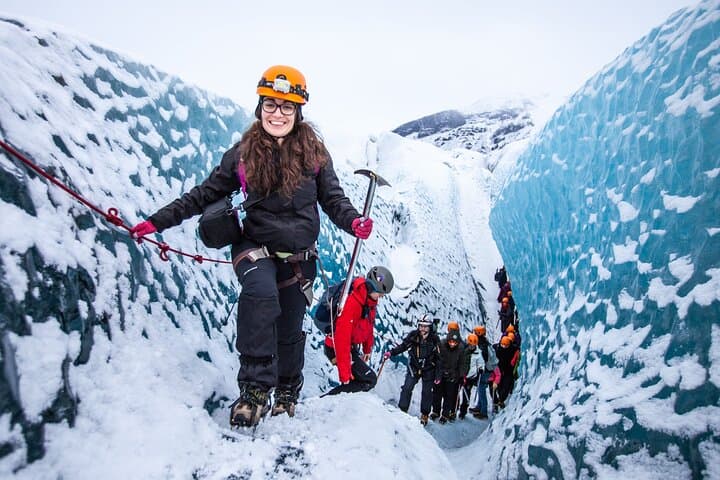
Beneath a sky of shifting light, Skaftafell’s ice reads like a map of time. This three-hour guided glacier hike mixes technical instruction with geology and culture: compact, safe, and unforgettable.