
What the day feels like
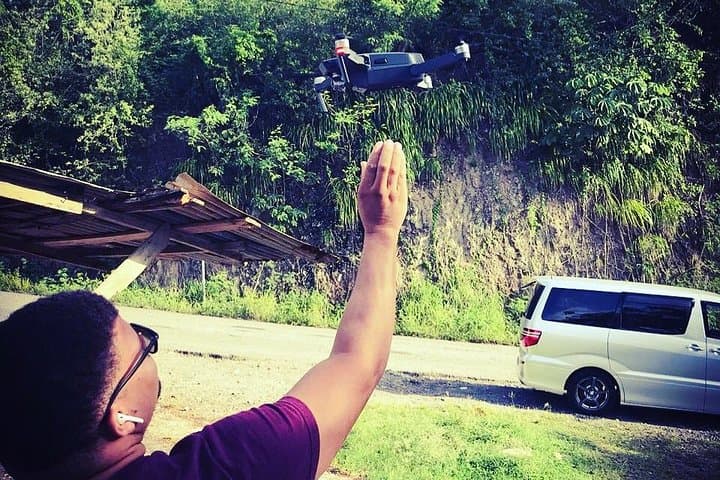
We pull away from the hotel just after sunrise, and for a moment the island holds its breath. Mist lifts from the saddle between the Pitons, and the sea is a sheet of pewter that the driver teases into a mirror with each slow turn of the road. The van’s windows frame green ridgelines and the occasional cluster of tin roofs sliding toward the shore, but the real spectacle sits aloft: a compact MavicPro hovering, gimbaled camera already composing shots of coastline and cratered headlands. The drone is a quiet, exacting eye—something between a scout and a storyteller—turning ordinary coves into cinematic geography.
This is not a hike up Gros Piton or a deep dive into volcanic mud; it’s an island-scale portrait session where the landscape poses for you. Over three to five hours you’ll ride St. Lucia’s seams—coastal roads that curve around mangroves and sugarcane fields, the volcanic sulfur springs of Soufrière, and sweeping overlooks where the twin peaks known as the Pitons rise like two dark sentinels. A local driver-guide handles the logistics and the drone operation, translating the island’s geology and culture into frames that look better than any selfie.
The scene you’re trying to capture is the result of a long, slow upheaval. St. Lucia is volcanic—its jagged ridges and the Pitons themselves were built from cooled magma and lava flows. The Pitons Management Area earned UNESCO World Heritage status in 2004 for its dramatic topography and biodiversity; from the air, reefs, rainforest pockets, and terraced coastal farms stitch together a patchwork that only an aerial perspective can fully show. The sulfur springs at Sulphur Springs Park still steam, a reminder that the island’s interior is geologically alive. Culturally, you’ll pass fishing hamlets and agrarian plots where cassava, bananas and cocoa have fed families for generations. Drivers often point out tiny roadside stands where women sell breadfruit and fresh coconut—small, human accents within a vast natural composition.
There’s an immediacy to drone work that changes how you experience place. Instead of trying to hold every vista with your arms or memory, you watch the pilot frame and record—then replay. Aerial video transforms the island’s curves into kinetic stories: a river daring the coastline, reefs that push turquoise seams against the deep blue, and the slow geometry of sugarcane lines. It’s an appeal for travelers who want more than a postcard; you come away with polished 4K footage and a new sense of the island’s scale.
Practicalities are straightforward but worth knowing. These tours are typically private and customizable—drivers will work with your interests, whether that means a focus on dramatic Piton flyovers, reef mosaics, or slower stops to photograph village life. Because drones are operated by licensed pilots, the tour handles the permits and safety briefings; you don’t need to worry about FAA-like paperwork, but you should ask ahead about filming near people or sensitive areas like bird nesting sites.
Timing matters. Early morning gives the softest light and calmer seas for clear aerial shots; late afternoon offers gold and long shadows that dramatize the island’s relief. Midday can produce glare and harder contrasts, but it’s also when village markets hum and food stalls open—the sort of candid moments worth a ground-level stop. Weather in St. Lucia favors the dry season from December through April; brief tropical showers are more common in summer, and stronger trade winds can make stable drone flights harder.
What you’ll actually do: expect a mix of short drives and easy walks—boardwalks, short staircases, and a few uneven surfaces near overlooks and beaches. Bring shoes with good grip for pebbly sand and volcanic rocks. The operator will set a safe perimeter for drone use and often allows guests to request specific shots; they’ll review footage afterward so you leave with curated clips and stills.
Why travelers book this over other island experiences? It’s the combination of storytelling and ease. You get cinematic footage that captures the island’s defining features without a full-day boat charter or a strenuous climb. The private format makes it ideal for couples, families, or small groups who want professional-grade images without hiring a separate filmmaker.
If you go: be ready to engage with local culture—buy a coconut from a roadside vendor, stop at a market for pepper pot or saltfish cakes, and let your guide point out community initiatives protecting reefs and bird habitat. Respect local requests around filming people and private property; part of taking great footage is knowing when to step back. The output—4K clips and edited stills—becomes both an evocative memento and a practical toolkit if you plan to share or print images when you return home.
The Island Adventure with a MavicPro is equal parts expedition and production: it lets you see St. Lucia’s bones from an aerial vantage while still rooting the experience in the island’s farms, springs, and sea. For travelers who want to come away with more than memories—who want a visual record that matches what they felt—this is an efficient, cinematic way to know a place.
Trail wisdom
Small choices, better day.
Catch the Golden Hour
Book the earliest slot for softer light and calmer seas—ideal for clear aerial footage.
Wear Grippy Shoes
Expect short walks on volcanic rock and pebbled beaches—sturdy soles prevent slips.
Bring a Portable Battery
Your phone will be busy reviewing clips and uploading—extra power keeps you shooting.
Respect Privacy & Wildlife
Let the pilot handle drone operation and avoid filming people or nesting birds without permission.
Local knowledge
Read the place, not just the route.
Watch for native species including Brown Pelican, St. Lucia Parrot (endangered and rarely seen inland).
Keep an eye out for wildlife during the transition between areas and habitats. Respect distance guidelines.
The Pitons and surrounding reefs are protected under UNESCO and local conservation programs—avoid flying near protected bird nesting areas and respect marine no-take zones.
Follow the guide's instructions on size limits, ethical handling, and leave-no-trace practices.
Local roadside coconut stalls near Anse Mamin. Tet Paul Nature Trail for accessible Piton viewpoints
Locally recommended viewpoints and quiet spots known best to local operators.
Soufrière was once the capital of St. Lucia and sits on a landscape shaped by volcanic activity; the nearby sulfur springs were historically used for therapeutic baths.
Maritime roots and regional tradition shape the waterways and working coasts.
Seasonal guide
Four versions of the same landscape.
Spring
Best forDry weather · Clear aerial shots · Floral roadside scenery
ChallengesHigher visitor numbers · Warmer daytime temps
Late spring balances dry skies and lush vegetation—good for stable flights and vivid color.
Summer
Best forLower prices · Lush rainforest · Afternoon market life
ChallengesShort tropical showers · Stronger trade winds
Summer offers greener landscapes but more unpredictable showers and breezier conditions aloft.
Fall
Best forFading crowds · Rich late-season hues · Flexible schedules
ChallengesOccasional storms · Humidity
Fall can give dramatic skies and quieter roads, though wind and rain windows are more common.
Winter
Best forDry conditions · Calm seas · Peak visibility
ChallengesHigher travel demand · Cooler evenings
Winter (Dec–Apr) is the most reliable season for crisp aerial footage and comfortable touring.
Operator details
What the booking data adds.
Included
- ✓Bottled water
- ✓Private tour
- ✓Alcoholic Beverages
- ✓Drone pics with MavicPro
- ✓Driver/guide
- ✓Snacks
- ✓Lunch
- ✓Juice
- ✓Rum Tasting
- ✓Local Beer
- ✓Hotel/port pickup and drop-off
Not included
- —Gratuities
Good to know
- ✓Specialized infant seats are available
- ✓Suitable for all physical fitness levels
- ✓Minimum drinking age is 18 years
Pack with intention
What to bring.
Good to know
Common questions.
No—professional pilots handle the MavicPro for safety and regulatory reasons; you can request shots and view footage afterward.
Plan the edges
The details that make the day easier.
The Pitons Management Area was designated a UNESCO World Heritage Site in 2004 for its outstanding volcanic features and biodiversity.
After the tour, head to Soufrière’s town center for a seafront lunch—try local specialties like grilled fish or green fig and saltfish; for a cold local brew, visit a small bar where fishermen unload the day’s catch and share stories.
- Closest airport
- Hewanorra International Airport (UVF) ~45–60 minutes by car; typical driving from Castries: 1–1.5 hours; cell service: intermittent in remote coves but reliable near towns; permits: drone operation handled by tour operator
This tour operates in sensitive marine and terrestrial habitats—follow pilot guidance, avoid disturbing wildlife, and support local conservation fees or NGOs when offered.
Explore by topic
Follow the threads.
Keep exploring
Make the story part of the trip.
Set out from Bass Harbor for a private, customizable day on Blue Hill Bay — lighthouses, puffins, seals, and the chance to feel Acadia from the water. Small groups, local captains, unforgettable views.
In four hours you can move from shaded canyon ferns to wind-scoured coastal ridgelines, guided by someone who knows where the light—and the hidden views—live. This private half-day hike on the Monterey Peninsula or Big Sur is compact, curated, and perfect for travelers who want depth without a multiday commitment.
 Related story
Beneath a sky of shifting light, Skaftafell’s ice reads like a map of time. This three-hour guided glacier hike mixes technical instruction with geology and culture: compact, safe, and unforgettable.