
What the day feels like
You push off before the sun has fully warmed the limestone bluffs. The river takes the lead: a slow, insistent pull that opens the day into a long ribbon of green and glass. Trees crowd the banks and arch like an audience; fallen sycamores become natural chutes to skirt. Your paddle finds rhythm—stroke, breathe, glance—and the miles start to feel like chapters. By midday you are both tired and widened: a raft of friends laughing at a shallow riffle, a solo paddler quieting to watch a deer sip where the current thins. This is the tempo of the Eleven Point.
On this 14-mile float from Stubblefield to Dunn the river reads as approachable and honest. It’s not whitewater theater; it’s an all-day, steady-moving waterway that rewards attention and time. Expect 6–8 hours in rafts, canoes, or kayaks with life vests provided and a good mix of placid runs, tree-dodging channels, and one or two riffles that keep adrenaline honest. For many paddlers, this is the perfect long day—enough distance to feel earned, not so much that logistics overshadow the experience.
The Eleven Point sits inside a landscape written by water and limestone. The river cuts through the Salem Plateau—limestone ledges, clear springs, and shallow shoals—so the water often has that glassy clarity anglers and photographers crave. The corridor was federally protected as part of the National Wild and Scenic Rivers System, a designation that keeps the river’s riparian corridor relatively quiet and limits development, preserving long stretches of unbroken forest and native habitat. That protection also guarantees a certain kind of river etiquette: leave no trace, keep parties small, and respect shoreline vegetation that stabilizes banks and shelters wildlife.
Culturally, this stretch of the Ozarks is stitched together by small towns and outdoor traditions: family-run bait shops, local barbecue, and state parks that double as community gathering places. Historically, the river corridor carried early settlers and served as a summer refuge for communities that still mark the seasons by the river’s flow. For paddlers, the Eleven Point has a reputation as a river that welcomes mixed experience levels—novices looking for a long, scenic float and experienced paddlers who appreciate a well-behaved river with pockets of technical interest.
Practicalities matter: this is a day trip, not a casual stroll. If you’re booking "The Day Trip" make a plan for shuttle logistics—the trip starts at Stubblefield access and ends at Dunn access, and group shuttles are the simplest way to keep vehicles coordinated. Water levels change with the seasons and recent rains; in low water you’ll be poling through shallow stretches, in high water the current quickens and navigation around fallen trees matters more. Expect sections where you’ll need to negotiate strainers (downed trees) and learn to read eddies and seams—skills that make the float smoother and safer.
Gear choices are straightforward: a stable craft makes the 14 miles manageable, and a dry bag for layers, lunch, and your phone goes a long way. Footwear that stays on—sport sandals or river shoes—is better than sneakers that hold water and grit. Sun and insect protection are nonnegotiable: riparian corridors can be shady but the sun hits wide stretches and bugs like to gather at eddies.
Who is this for? Families with older kids who can handle hours paddling will love the mix of swimming spots and calm stretches. Couples and small groups seeking a scenic day away from busier rivers will find solitude in long tree-lined runs. Even experienced paddlers will appreciate the stretch if they’re in the mood for a long, low-key mission that still asks for focus.
Safety and local context: the Eleven Point’s flow is usually class I–II, but those classifications can change with rain. Shuttle providers and local outfitters keep the best up-to-date advice on current conditions; check before you go. Bring plenty of water, plan for a conservative pace to allow for swimming stops and lunch on the bank, and leave time before sunset—the tree-lined corridor can make late light deceptive.
Booking a guided day trip is a fine way to learn river etiquette and discover quiet tributaries and sandy beaches that locals use as lunch spots. If you prefer self-guided, be intentional about a shuttle plan, waterproof maps or GPS, and a float plan left with someone on shore.
The reward is simple: a long day under changing light, a river that seems to move at the right speed for conversation and thought, and the kind of views—limestone shelves, spring-fed clarity, and lobed sycamore roots—that stick with you. When you climb out at Dunn your shoulders will remember the rhythm of the paddle; your phone will have a few good photos; and you’ll already be thinking about the stretches you didn’t explore. For anyone aiming to spend a proper day on a river that asks for time rather than tricks, this Eleven Point run is a near-perfect prescription.
If you want more details or to reserve a spot, check booking and local-expert resources for the trip here: <a href="https://app.advcollective.com/local-experts/the-day-trip-eleven-point-river-arkansas">The Day Trip — Eleven Point River</a>. The page includes gear guidance, shuttle details, and booking options to help you plan a full day on the water.
Trail wisdom
Small choices, better day.
Plan a shuttle
Arrange a shuttle ahead of time—Stubblefield to Dunn is point-to-point and local outfitters can handle logistics.
Check river levels
Review recent rainfall and ask outfitters about current flow—low water changes route difficulty.
Layer smartly
Start cool and bring a lightweight insulating layer in a dry bag; shade and wind can cool you fast.
Protect electronics
Use a floating dry bag or case and keep devices tethered—banks and rocks are unforgiving.
Local knowledge
Read the place, not just the route.
Watch for native species including White-tailed deer, Great blue heron.
Keep an eye out for wildlife during the transition between areas and habitats. Respect distance guidelines.
The river's Wild and Scenic designation limits development along the corridor—pack out all trash and avoid disturbing shoreline vegetation to protect habitat.
Follow the guide's instructions on size limits, ethical handling, and leave-no-trace practices.
A small beach a mile below Stubblefield good for lunch and shade. A quiet side channel about halfway that narrows into woody reflections—great for photos
Locally recommended viewpoints and quiet spots known best to local operators.
The Eleven Point corridor has long been a local resource for fishing and transport and is protected under the National Wild and Scenic Rivers System to preserve its free-flowing character.
Maritime roots and regional tradition shape the waterways and working coasts.
Seasonal guide
Four versions of the same landscape.
Spring
Best forHigher flows and faster pace · Wildflowers and green banks
ChallengesCold water temps · Higher currents after rains
Spring brings fuller flow and bright riverbanks—expect quicker currents and chilly water; plan for layers.
Summer
Best forSwimming stops · Warm temperatures and long days
ChallengesHigher insect activity · Occasional low water in drought years
Summer is ideal for swimming and relaxed paddling but bring bug spray and sun protection.
Fall
Best forAutumn color · Stable, pleasant temperatures
ChallengesShorter daylight hours · Cooler mornings
Fall offers clear days and colorful banks—pack an insulating layer for cooler mornings and evenings.
Winter
Best forQuiet solitude · Crisp light for photography
ChallengesCold air and water temps · Limited services locally
Winter trips are quiet and starkly beautiful; ensure warm layers and check access because services may be reduced.
Pack with intention
What to bring.
Good to know
Common questions.
The route from Stubblefield to Dunn is 14 miles and typically takes 6–8 hours depending on craft and stops.
Plan the edges
The details that make the day easier.
The Eleven Point River is protected under the National Wild and Scenic Rivers System, preserving its free-flowing character and riparian corridor.
After the float, stop in Mammoth Spring for barbecue or a diner meal and visit Mammoth Spring State Park to see one of the largest springs in the Ozarks—local shops often sell handmade baits and river maps.
- Closest airport
- Springfield-Branson National (SGF) ~1.5–2 hours drive; Driving distance from Mammoth Spring: ~20–40 minutes depending on access; Cell service: spotty inside the corridor; Permits: none required for day floats but follow USFS
This river corridor is protected—pack out what you pack in, avoid trampling riverbanks, use biodegradable sunscreen, and follow Quiet Use principles to minimize disturbance.
Explore by topic
Follow the threads.
Keep exploring
Make the story part of the trip.
Set out from Bass Harbor for a private, customizable day on Blue Hill Bay — lighthouses, puffins, seals, and the chance to feel Acadia from the water. Small groups, local captains, unforgettable views.
In four hours you can move from shaded canyon ferns to wind-scoured coastal ridgelines, guided by someone who knows where the light—and the hidden views—live. This private half-day hike on the Monterey Peninsula or Big Sur is compact, curated, and perfect for travelers who want depth without a multiday commitment.
 Related story
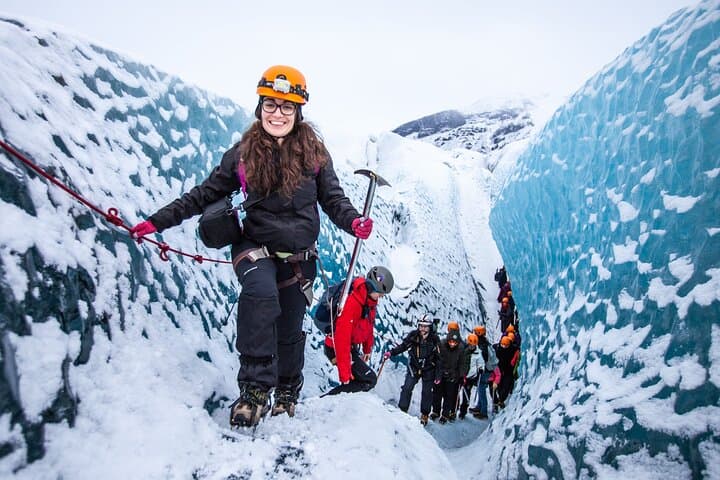
Beneath a sky of shifting light, Skaftafell’s ice reads like a map of time. This three-hour guided glacier hike mixes technical instruction with geology and culture: compact, safe, and unforgettable.