
What the day feels like
By dawn, steam knits the horizon into a watercolor of smoke and sky. You drive through a river valley threaded with fog and the silhouettes of bison—bulky and indifferent—dotting the sage. The day that unfolds from West Yellowstone is equal parts spectacle and schooling: a fast-moving circuit through the park’s geological theatre, punctuated by boardwalk strolls, roadside binocular sessions, and the small rituals of good guiding. This is not a casual Sunday hike; it’s a full-day observational tour that lets the landscape do the talking.
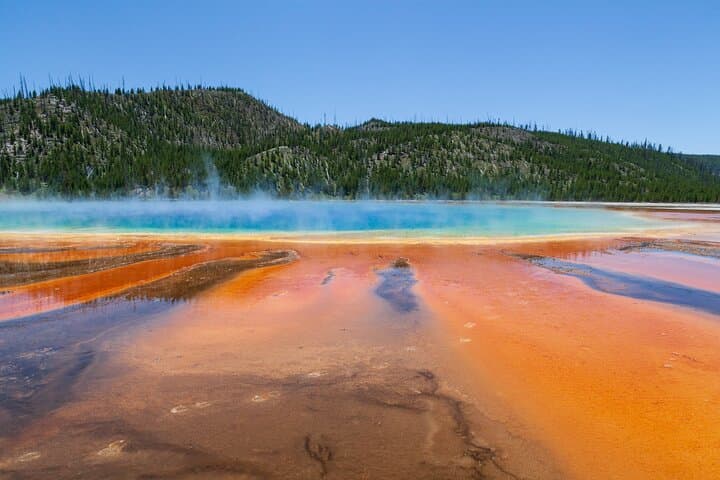
On a good morning a guide will shape the route to the day’s light and wildlife. That flexibility is the tour’s strength: you might begin with the low, throaty eruptions of Old Faithful, then press on to the candy-bright pools of Grand Prismatic Spring, before threading the high road to the Grand Canyon of the Yellowstone and its thunderous Lower Falls. Each stop is short enough to be kinetic but long enough to sink in: the problem-solving insistence of thermal features; the canyon’s chiselled amphitheater; the deliberate grazing of elk in Hayden Valley. For a day, the park’s long timeline—volcanic heat, glacial polish, century-scale conservation—gets compressed into a handful of visceral, memorable scenes.
Geology here is not background trivia; it’s active and obvious. Yellowstone rides a hot spot that has punched a series of calderas across the continent; the present Yellowstone Caldera fuels the park’s 10,000-plus hydrothermal features. So when a guide points out a fumarole that smells like rotten eggs, you are smelling the park’s furnace. That same subterranean heat sculpts the dramatic canyon—where the Yellowstone River has cut through volcanic tuff into a ribbon of ochre and cream—giving its color to paintings and postcards.
Cultural history threads through that geology. Indigenous peoples, including the Shoshone, Crow, and other tribes, used these landscapes for millennia; Euro-American exploration and preservation debates culminated here in the world’s first national park designation in 1872. Today, the park is managed with both recreation and preservation in mind—meaning your visit is a negotiation: stay on boardwalks to protect fragile microbial mats around thermal pools, and keep respectful distance from wildlife to maintain both your safety and the animals’ wildness.
Why book a guided, full-day route from West Yellowstone? First, it’s efficient: the day is curated to hit Old Faithful, Grand Prismatic Spring, the Canyon’s lookout points, and prime wildlife valleys without the guesswork of planning logistics and timing. Second, it adds context: a guide’s binoculars, timing instincts, and interpretation turn roadside looks into clear sightings and the park’s quirks—why colors shift in a spring, or what to watch for when bison cross the road—into memorable takeaways. Third, for many travelers this is a low-effort, high-return way to experience Yellowstone’s highlights in a single sweep, which matters when park time is limited.
Practical realities temper the romance. The tour is long—about six to seven hours—with multiple short walks (boardwalks and overlooks) rather than long hikes. Weather can change quickly at these elevations, so layers are non-negotiable; mornings are often cool and steam makes everything feel damp. Cellular service is spotty in the park, so bring patience and an appetite for analog moments. And because wildlife sightings are opportunistic, part of the day’s magic is learning to wait—binoculars and a patient eye often outpace luck.
If you want to get the most from the day, come prepared. Bring a refillable water bottle, comfortable walking shoes for boardwalks and short steep viewpoints, sun protection, and a mid- to long-telephoto lens if you’re photographing wildlife. Dress in breathable layers—mornings can be chilly, and afternoons warm—and carry a small daypack for snacks and an extra shell. Respect park rules: keep 25 yards from most wildlife and 100 yards from bears and wolves; never feed animals.
For photographers and naturalists, timing is everything. Early and late in the day the light slants across the canyon and pools, giving color saturation to thermal basins and creating dramatic shadow in the canyon. Guides will generally plan the route to match sun and animal activity, but being flexible—willing to linger at a geyser or wait in Hayden Valley—wins the day.
You’ll leave the park with the satisfaction that comes from a full, carefully paced day: your feet will be pleasantly tired; your photo roll full of improbable color and wildlife portraits; your body keyed to a rhythm of short walks, roadside stops, and the occasional hush when everyone watches a grizzly or a bison bull go about an indifferent life. This trip isn’t a quiet retreat or a technical climb; it’s a concentrated, interpretive introduction to one of America’s most important wild places. If you want a single-day, low-stress way to see Yellowstone’s anchors—the eruptions, the springs, the canyon, and the wildlife—this guided loop from West Yellowstone is designed to deliver.
For bookings and full details, check the guided itinerary that structures these highlights and times: <a href="https://app.advcollective.com/local-experts/full-day-yellowstone-highlights-tour-from-west-yellowstone-old-faithful-grand-prismatic-wildlife">Full Day Yellowstone Highlights Tour</a>. If you prefer to bookmark specifics—Old Faithful, Grand Prismatic Spring, and key wildlife viewing zones—those keywords all link back to the guided experience, which adapts its route based on road and weather conditions to maximize sightings and safety.
Trail wisdom
Small choices, better day.
Layer for elevation
Temperatures can swing dramatically; pack a lightweight insulated layer and a wind shell to stay comfortable during boardwalk stops.
Bring optics
Binoculars or a 200mm+ lens transform roadside silhouettes into memorable wildlife encounters without getting too close.
Respect wildlife distances
Stay at least 25 yards from bison and elk, and 100 yards from bears or wolves—guides will enforce these buffers for safety.
Hydrate and snack
Full days at altitude drain energy—carry 1–2 liters of water and high-calorie snacks to maintain energy between stops.
Local knowledge
Read the place, not just the route.
Watch for native species including Bison, Elk.
Keep an eye out for wildlife during the transition between areas and habitats. Respect distance guidelines.
Stay on boardwalks and viewing platforms to protect delicate thermal features, and pack out all trash—these features are biologically fragile and easily damaged.
Follow the guide's instructions on size limits, ethical handling, and leave-no-trace practices.
West Thumb Geyser Basin shoreline for lakeside hydrothermal views. Hayden Valley pullouts for unobstructed bison and river views
Locally recommended viewpoints and quiet spots known best to local operators.
Yellowstone was established in 1872 as the world’s first national park; the area’s hydrothermal features are manifestations of the Yellowstone Caldera beneath the surface.
Maritime roots and regional tradition shape the waterways and working coasts.
Seasonal guide
Four versions of the same landscape.
Spring
Best forWildlife newborns · Fewer crowds
ChallengesUnpredictable snowmelt · Some road delays
Spring opens wildlife viewing as ungulates and predators become active; however, late snow and road work can alter the route—expect flexible timing.
Summer
Best forFull access to attractions · Warmest weather
ChallengesCrowds at popular sites · Limited parking at overlooks
Summer offers road access to most highlights and long daylight hours, but arrive early at stops to beat the busiest times.
Fall
Best forCrisp light for photography · Active elk rut and migrations
ChallengesShorter days · Possibility of early snow
Fall compresses the tourist season into beautiful light and animal activity—layer up and be ready for cold mornings.
Winter
Best forSnowy landscapes · Lower visitor numbers
ChallengesLimited road access · Specialized vehicles required
Winter showcases dramatic contrasts of steam and snow but most roads are closed; full-day road-based loops are generally not offered except by specialized tours.
Operator details
What the booking data adds.
Included
- ✓Resort fees
- ✓Non-alcoholic beverages
- ✓Use of UHD binoculars and spotting scopes
- ✓A variety of snacks, sourced locally and organic when possible.
- ✓A picnic lunch, sourced locally with seasonal ingredients and packaged with recyclable and compostable materials.
- ✓Professional naturalist guide
Not included
- —Gratuities
- —Yellowstone National Park
Good to know
- ✓Suitable for all physical fitness levels
- ✓If your child requires a car seat, please be sure to bring it with you.
- ✓Children 8 and older may participate.
Pack with intention
What to bring.
Good to know
Common questions.
Expect a 6–7 hour day that starts in West Yellowstone and visits major pullouts and short boardwalk walks—guides structure the day around conditions and wildlife activity.
Plan the edges
The details that make the day easier.
Yellowstone was established as the world’s first national park in 1872 and contains more than half of the world’s geysers, fueled by the Yellowstone Caldera beneath the landscape.
After a full day, head back into West Yellowstone for casual taverns and local diners serving trout and game—ask locals where the best microbrew and hearty post-park meals are, and check the visitor center schedule for evening ranger talks.
- Closest airport
- Bozeman Yellowstone International Airport (BZN); Driving time to West Yellowstone ~2 hours (90 miles). Typical tour start from West Yellowstone town center
This area contains fragile hydrothermal features and sensitive wildlife habitats—stay on designated paths, keep distance from animals, pack out all trash, and avoid using soaps or detergents in park waters.
Explore by topic
Follow the threads.
Keep exploring
Make the story part of the trip.
In four hours you can move from shaded canyon ferns to wind-scoured coastal ridgelines, guided by someone who knows where the light—and the hidden views—live. This private half-day hike on the Monterey Peninsula or Big Sur is compact, curated, and perfect for travelers who want depth without a multiday commitment.
 Related story
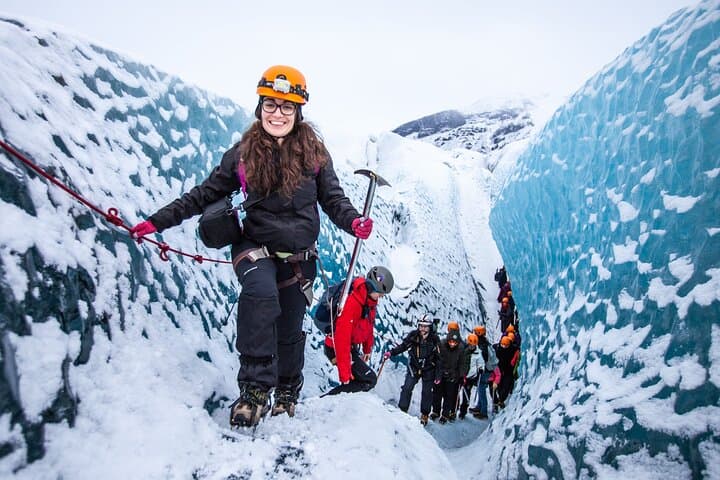
Beneath a sky of shifting light, Skaftafell’s ice reads like a map of time. This three-hour guided glacier hike mixes technical instruction with geology and culture: compact, safe, and unforgettable.
 Related story
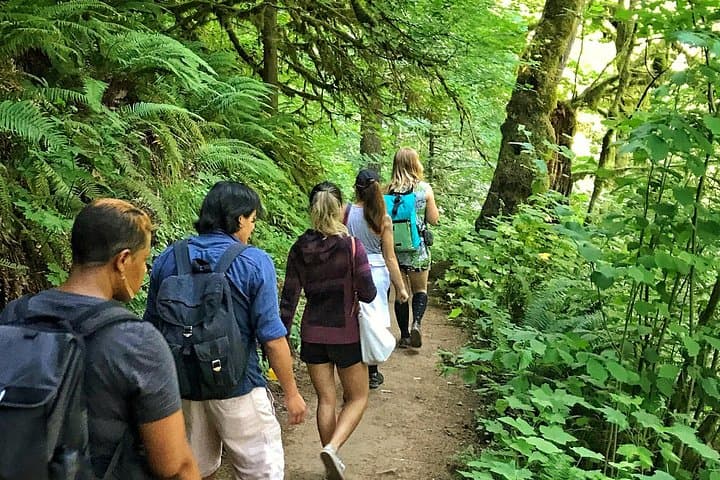
Lose the city for a few hours without leaving it: this 5-mile, 900-foot-gain Forest Park loop threads old-growth pockets, city viewpoints, and cultural landmarks for a compact taste of Portland’s wild side. Expect moss, roots, and stories.