
What the day feels like
You meet your guide before dawn at a harbor that still remembers whale ships—the air is salt and green and the town is a slow exhale. The guide folds a map like a storybook and listens as you point to the places on your list: a quiet snorkel cove, a waterfall you saw in a photo, a rocky bluff with a blowhole that hisses at the tide. By design this is not a one-size-fits-all tour. It arrives like a private conversation with the island, a six- to seven-hour day curated around what you want to do and what the coast is willing to give.
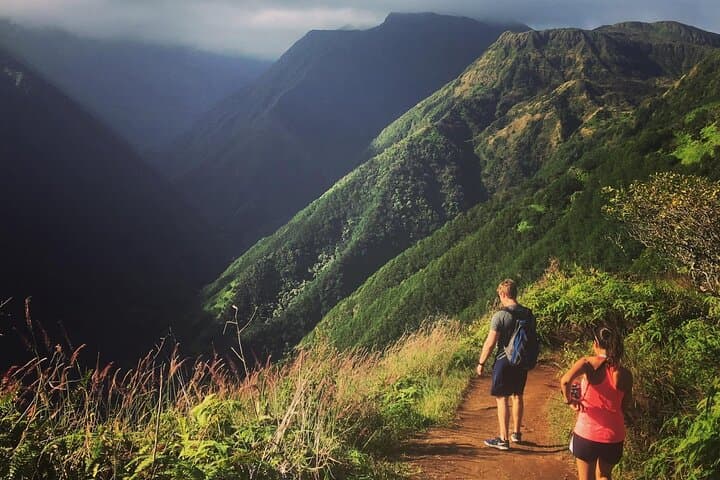
West Maui is a place of contrasts. From the wet, deeply carved flanks of the West Maui Mountains—Mauna Kahalawai—to the wind-blasted headlands and glass-blue coves, the island reads like a geography lesson you can feel underfoot. The guide points out old ʻahupuaʻa boundaries—Hawaiian land divisions that moved from mountain to reef—and explains how communities once managed the island from ridge to sea. Rocks here are patient storytellers: lava flows cooled into terraces, erosion cut valleys so steep they look like they were carved by a giant knife, and reefs built themselves along the seams. Puʻu Kukui, the mountain backbone of West Maui, rises to nearly 5,800 feet and wrings rain from passing clouds; its slopes are the reason pockets of rainforest feel suddenly intimate and wild.
On a private tour the itinerary breathes. You might start with a coastal drive to Honolua Bay, where the water often sits like a sheet of wet glass and spinner dolphins sometimes slice the surface. The guide will arrange a snorkel if conditions allow—bring reef-safe sunscreen and a mask that fits—and you’ll drop into coral gardens that seem more like underwater neighborhoods than landscapes. Later, the tour can thread upcountry for a short, fragrant walk through fruit orchards or stop at a roadside waterfall where you can listen to water dare the rocks to hold it. If the tide cooperates, Nakalele Blowhole and the nearby olivine pools offer show-and-tell geology—waves find the hole and the hole answers back with a spray.
There’s history stitched into these stops. Lahaina, the closest town, was once the capital of the Hawaiian Kingdom and later a bustling whaling port. You’ll hear stories of chiefs and missionaries, of plantation-era irrigation and the old ways of stewarding land and sea. Your guide’s job is not only logistics but context: why a stand of breadfruit matters, how coral reefs recover, what it means when a fish species shows up where it hasn’t been for years.
Practical advantages to booking small and private show up fast: flexibility with timing (early mornings chase calmer seas), the ability to tailor pace and activity level, and deeper access to local knowledge—where a seasonal tidepool appears, which lookout offers the sunset edge with fewer tourists, which beach is best for kids. The tour lasts roughly 6–7 hours, so plan a full day and leave your evening open for a quiet dinner in Lahaina.
What to expect physically: this is a low- to moderate-impact day depending on your choices. You’ll spend time in a vehicle, shuttle short hikes (200–1,000 yards) and possibly a couple of snorkel sessions. Elevation changes are minimal unless you choose to explore upcountry viewpoints. Guides will advise on footwear, water, and sunscreen before each element of the day.
There’s a conservation ethic that comes with being here: reef-safe sunscreen, no-touch policies for coral and turtles, and a leave-no-trace approach at every stop. Respect for the land and ocean is part of the experience; it keeps places like Honolua Bay and the tidepools vibrant and available for future visitors.
If you want a day that feels like a curated tour and a local lesson at once, a private West Maui adventure is hard to beat. It’s the kind of trip where the geography keeps surprising you—where the sea can be suddenly glassy or angry, where a mountain holds clouds like an umbrella, and where a guide’s local stories make every turn feel intentionally chosen. Bring curiosity, prepare for sun and salt, and be ready to trade the comfort of a plan for a day that’s tuned to the island’s mood.
Trail wisdom
Small choices, better day.
Start Early
Morning light calms the ocean and clears parking at popular stops—plan to leave by 7 a.m. for the best conditions.
Bring Reef-Safe Sunscreen
Protect coral and your skin—use zinc-based or labeled reef-safe sunscreen and reapply after swimming.
Footwear for Everything
A pair of sturdy trail sandals or low hikers handle beach walks, slick rocks, and short upcountry paths.
Respect Wildlife Distances
If you see turtles or dolphins, watch quietly from a distance—never touch or chase marine life.
Local knowledge
Read the place, not just the route.
Watch for native species including Hawaiian green sea turtle (honu), Spinner dolphins.
Keep an eye out for wildlife during the transition between areas and habitats. Respect distance guidelines.
Reef-safe sunscreen is encouraged to protect coral; stay on marked paths to preserve fragile coastal vegetation and cultural sites.
Follow the guide's instructions on size limits, ethical handling, and leave-no-trace practices.
Nakalele Blowhole and nearby olivine pools for geology and dramatic surf views. Honolua Bay’s less-trafficked tidepools and the neighboring Honolua Preserve trails
Locally recommended viewpoints and quiet spots known best to local operators.
Lahaina was once the capital of the Hawaiian Kingdom and later a major 19th-century whaling port—its streets and waterfront still reflect layers of that history.
Maritime roots and regional tradition shape the waterways and working coasts.
Seasonal guide
Four versions of the same landscape.
Spring
Best forCalm seas for snorkeling · Early-season whale watching · Wildflower views upcountry
ChallengesOccasional rain showers · Variable surf at exposed point breaks
Spring brings generally calm water and warming air—ideal for snorkeling and coastal exploration, but pack a light rain layer for brief showers.
Summer
Best forWarm water and snorkeling visibility · Longer daylight hours · Upcountry farm visits
ChallengesStronger sun—higher UV · Popular areas busier with visitors
Summer delivers warm water and excellent visibility, but bring sun protection and expect more people at prime beaches.
Fall
Best forClear water after summer swell · Fewer crowds · Comfortable hiking temperatures
ChallengesOccasional tropical swells · Changing ocean conditions
Fall is a sweet spot with fewer crowds and stable conditions, though occasional swells can reshape shorelines.
Winter
Best forWhale watching offshore · Dramatic cloudscapes over the mountains · Cooler upcountry hikes
ChallengesRougher surf and hazardous snorkeling conditions · Shorter daylight hours
Winter brings whale season and striking mountain weather—great for viewing but often poor for snorkeling; your guide will adjust the route accordingly.
Pack with intention
What to bring.
Good to know
Common questions.
The private tour runs about 6–7 hours; guides typically arrange transportation between stops, local commentary, and equipment staging for snorkel or short hikes—confirm specifics when booking.
Plan the edges
The details that make the day easier.
The West Maui Mountains (Mauna Kahalawai) are an eroded shield volcano—Puʻu Kukui, its highest peak, reaches nearly 5,800 feet and creates some of the island’s wettest microclimates.
After the tour, stroll Lahaina’s Front Street for poke bowls, fresh fish tacos, and banana bread from roadside stands; watch the sunset from the harbor with a local brew or shaved ice in hand.
- Closest airport
- Kahului (OGG); Typical drive to Lahaina: 40–60 minutes; Expect patchy cell service in remote coves; No special permits usually required—your private guide handles access and timing.
Use reef-safe sunscreen, avoid touching coral and turtles, follow your guide’s instructions at sensitive sites, and pack out all trash to protect coastal ecosystems.
Explore by topic
Follow the threads.
Keep exploring
Make the story part of the trip.
Set out from Bass Harbor for a private, customizable day on Blue Hill Bay — lighthouses, puffins, seals, and the chance to feel Acadia from the water. Small groups, local captains, unforgettable views.
In four hours you can move from shaded canyon ferns to wind-scoured coastal ridgelines, guided by someone who knows where the light—and the hidden views—live. This private half-day hike on the Monterey Peninsula or Big Sur is compact, curated, and perfect for travelers who want depth without a multiday commitment.
 Related story
Beneath a sky of shifting light, Skaftafell’s ice reads like a map of time. This three-hour guided glacier hike mixes technical instruction with geology and culture: compact, safe, and unforgettable.