
What the day feels like
At first light the park sounds like it is waking up: steam whispering from vents, the distant rattle of a raven, the slow breathing of a bison grazing near the road. You roll out of the van at Old Faithful with other travelers and a crowd that understands the odd etiquette of geyser time—watch the clock, keep your cameras ready, and be patient. When the plume finally shoots skyward, it is both inevitable and astonishing; the water seems to puncture the morning like a punctuation mark. This is a day that moves at the pace of heat and rock, a loop through one of the planet's most unusual working landscapes.
The Yellowstone lower loop is what people picture when they think of the park: Old Faithful, the technicolor Grand Prismatic Spring, the thunderous Lower Falls of the Grand Canyon of the Yellowstone, and a scatter of fumaroles, mud pots, and geysers that look as if an artist had thrown hot steam and mineral pigments across the land. The geology explains the drama. You are standing on the flank of the Yellowstone Caldera, a collapsed supervolcano whose heat drives every spurt and shimmer here. The colors of Grand Prismatic come from pigmented microbes that tunnel along the hot-water terraces; the canyon's ochres and reds are the slow work of hydrothermal weathering on volcanic rock. History sits beside this science: Yellowstone was designated the world’s first national park in 1872, a recognition that this wild theater should be conserved and shared.
A guided full-day circuit gives the best of the lower loop without the stress of navigation or timing. The van carries you from one major pullout to the next, and each stop is engineered for short, focused walks that reward you with signature views. Expect the itinerary to include Old Faithful and the Upper Geyser Basin (short, accessible boardwalk loops), the Grand Prismatic Spring overlook and its surrounding hot basins (a half-mile to the overlook, boardwalks on site), and the Grand Canyon of the Yellowstone with viewpoints like Artist Point and Lookout Point for dramatic perspectives on the 308-foot Lower Falls. You will pass through forests that smell of pine resin and meadows where pronghorn and bison are more than roadside curiosities—they're the reason for slow driving.
The cultural rhythm of the park is quiet but persistent. The park has long been a place where Indigenous peoples hunted, traveled, and cared for the land; later, explorers, artists, and conservationists shaped public perception of this place until Congress protected it. Modern stewardship balances visitation with fragile geothermal features and sensitive wildlife habitat. That balance is why you walk on boardwalks and hold your dog at home: the crust that supports vents and pools is thin and mortal. Your guide will remind you to keep distance from animals—bison and elk can behave unpredictably—and to leave the fragile microbial mats alone; a single boot print can obliterate centuries of growth.
Practically speaking, the tour is long—plan on 10 to 12 hours on the road. Much of that time is comfortable: highway stretches and scenic drives broken up by photography stops and short hikes. The walking on-site is low in mileage but often on uneven wooden boardwalks or gravel paths; sturdy shoes and a slow, attentive pace are enough for most travelers. Expect early mornings and long evenings, so layering is essential. Weather at Yellowstone shifts quickly—one moment bright and dry, the next drizzling with high clouds. Wildlife encounters are frequent; bison jams are a real part of the schedule and can make traffic stop for 20 minutes or more. Bring patience—those stops are often the most memorable.
If you want to book this loop in a single, manageable day, a guided option removes the guesswork. It lets you learn the stories behind steam and stone: why the springs stain the earth in crazy turquoise rings, how past eruptions sculpted today's vistas, and where the quieter, lesser-known basins live. For a full-day guided itinerary that focuses on the lower loop highlights, consider booking a Yellowstone Lower Loop Full Day Tour that covers Old Faithful, Grand Prismatic, and the Grand Canyon—these tours lock in the logistics and add local narration that deepens every stop (book here: https://app.advcollective.com/local-experts/yellowstone-lower-loop-full-day-tour-old-faithful-grand-prismatic-grand-canyon). The link is useful whether you want an organized day or just a sense of timing to plan an independent drive.
A few practical notes before you go. Park entrance fees apply and change by season; check the National Park Service for current rates. Cell service is intermittent on the lower loop—download maps offline and bring snacks and water for the day. Respect the thermal features by staying on boardwalks and keeping a safe distance from wildlife; always follow your guide’s directions. If you plan to photograph the best colors at Grand Prismatic, aim for mid to late morning when steam clears and the colors pop.
At the end of a lower loop day, you will have a compact education in Yellowstone's three essential vocabularies: heat, water, and life. Geysers remind you how dynamic the ground can be; springs show how microscopic life paints vast palettes; and the canyon tells a story of slow, patient erosion. These are not postcard stops so much as chapters in a single, grand geological narrative. If you want a day that is part outdoor classroom, part scenic drive, part wildlife watch, and entirely unlike almost any other national park experience, this loop delivers. For those who prefer to focus or linger, booking the guided full-day loop is the pragmatic way to make sure you see the big signatures without squeezing the day dry—more time looking, less time wondering where to go next (book here: https://app.advcollective.com/local-experts/yellowstone-lower-loop-full-day-tour-old-faithful-grand-prismatic-grand-canyon).
Trail wisdom
Small choices, better day.
Respect Boardwalks
All thermal features sit on fragile ground—stay on designated walkways to protect both yourself and microbial formations.
Bring Layers and Sun Protection
Mornings can be cool and afternoons sunny; combine a lightweight insulating layer with sun protection and a brimmed hat.
Hydrate & Snack
Long driving and short walks mean frequent stops—carry at least 1–2 liters of water and energy snacks for a full-day tour.
Give Wildlife Space
Bison and elk often graze near roads; stop at a safe distance and never cross closed areas to approach animals.
Local knowledge
Read the place, not just the route.
Watch for native species including Bison, Elk.
Keep an eye out for wildlife during the transition between areas and habitats. Respect distance guidelines.
Thermal features are fragile and dangerous; stay on boardwalks, don’t collect specimens, and follow wildlife-distance rules to protect ecosystems and yourself.
Follow the guide's instructions on size limits, ethical handling, and leave-no-trace practices.
Black Sand Basin for smaller, less crowded hot springs. Artist Point at sunrise for quieter canyon light
Locally recommended viewpoints and quiet spots known best to local operators.
Yellowstone was established as the world’s first national park in 1872, a landmark moment for global conservation history.
Maritime roots and regional tradition shape the waterways and working coasts.
Seasonal guide
Four versions of the same landscape.
Spring
Best forFewer crowds · Calving and migration sightings
ChallengesVariable roads · Snow patches
Spring opens the park gradually; lower-loop roads start to clear but expect cool mornings and occasional closures—wildlife activity is high.
Summer
Best forFull road access · Reliable services · Peak geyser viewing
ChallengesCrowds · Limited parking at popular pullouts
Summer is the easiest time logistically with full services and predictable trails, but plan around peak hours to avoid congestion.
Fall
Best forFewer visitors · Crisp light for photography
ChallengesShorter daylight · Some facilities close
Early fall offers great light and thinner crowds; evenings are colder and some seasonal services wind down by late September.
Winter
Best forSolitude in closed sections · Snow-blanketed vistas
ChallengesMost roads closed to standard vehicles · Severe cold
Winter dramatically changes access—specialized snowcoach or snowmobile tours are required to reach lower-loop highlights in winter conditions.
Operator details
What the booking data adds.
Included
- ✓You will enjoy a scenic Picnic lunch at one of the picnic areas inside Yellowstone National Park. We also provide drinks and snacks throughout the day.
Not included
- —Entry fee to Yellowstone is not included. You may purchase at the gate.
Good to know
- ✓Infants and small children can ride in a pram or stroller
- ✓Service animals allowed
- ✓Public transportation options are available nearby
- ✓Specialized infant seats are available
- ✓Suitable for all physical fitness levels
Pack with intention
What to bring.
Good to know
Common questions.
Expect about 10–12 hours from pickup to drop-off, including driving time and multiple short stops for viewpoints and boardwalk walks.
Plan the edges
The details that make the day easier.
Yellowstone was designated the United States' first national park in 1872, protecting over 2 million acres of hydrothermal and wildlife habitat.
After the loop, head to West Yellowstone for a hearty meal and local beers; many eateries feature regional game and trout—pair a burger or elk steak with a local brew and browse park-centric gift shops or the Grizzly & Wolf Discovery Center for close-up wildlife education.
- Closest airport
- Bozeman Yellowstone International (BZN) ~90 miles; common trailhead
- meeting point
- Old Faithful Visitor Area or West Yellowstone pickup; Driving distance from West Yellowstone: 0–60 miles depending on stops; Cell service: intermittent—expect spotty coverage; Permits
- Passes
- Yellowstone entrance fee required (per-vehicle fee), check NPS for current rates
Yellowstone’s geothermal features and wildlife are exceptionally fragile—stay on boardwalks, observe wildlife from a distance, pack out all trash, and avoid introducing any foreign substances into pools or springs.
Explore by topic
Follow the threads.
Keep exploring
Make the story part of the trip.
In four hours you can move from shaded canyon ferns to wind-scoured coastal ridgelines, guided by someone who knows where the light—and the hidden views—live. This private half-day hike on the Monterey Peninsula or Big Sur is compact, curated, and perfect for travelers who want depth without a multiday commitment.
 Related story
Beneath a sky of shifting light, Skaftafell’s ice reads like a map of time. This three-hour guided glacier hike mixes technical instruction with geology and culture: compact, safe, and unforgettable.
 Related story
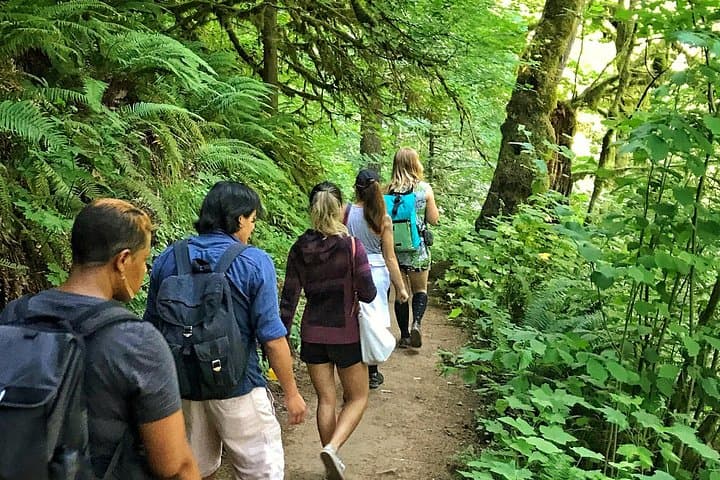
Lose the city for a few hours without leaving it: this 5-mile, 900-foot-gain Forest Park loop threads old-growth pockets, city viewpoints, and cultural landmarks for a compact taste of Portland’s wild side. Expect moss, roots, and stories.