
What the day feels like
Morning in Asheville arrives like a well-composed painting: light pours off the Blue Ridge, mist recedes from the river, and the day invites slow discovery. You begin with a driver-guide who knows the city the way a cartographer knows contour lines—where neighborhoods fold into one another, where murals sit on brick like punctuation, and where a coffee shop will pour exactly the espresso you need before a day of walking and short drives. This is not a hurry-up tourist loop; it’s a private, full-day tour that stitches the city’s eclectic threads together—historic architecture, a river-side artist colony, and the genteel commercial village that frames America’s largest private home.
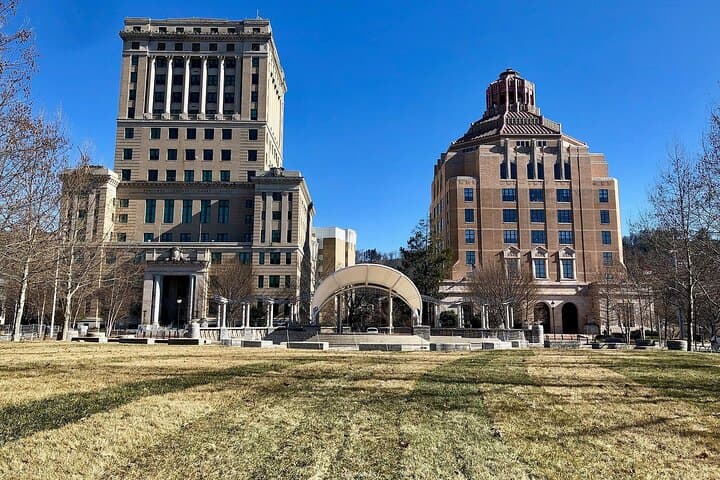
The rhythm of the day alternates between parked strolls and scenic drives. Start in downtown Asheville’s Art District and you’re in a lively mosaic of locally owned shops, cafés and galleries. The district wears its creative lineage on its sleeve: former factories that once hummed with textile machinery now host potters, printmakers and metalsmiths. A few blocks over, the Basilica of Saint Lawrence anchors an architectural counterpoint—its Romanesque dome and limestone façade a reminder that Asheville’s civic ambitions date back to the Gilded Age. Moving by car lets you savor the cityscape without losing time between neighborhoods; it’s a practical cadence for travelers who want depth without the mileage.
The guide’s local knowledge shapes the experience—drop-in gallery visits in the River Arts District become conversations rather than rushes past canvases; the Biltmore Village stop is timed so you can sip tea or explore boutique shops without battling peak crowds. Along the way you’ll hear the layers of Asheville’s story: a 19th-century mountain town buoyed by rail access, a Gilded Age summer escape built by George Vanderbilt, and later a magnet for artists and craftspeople who reimagined factories into creative incubators. Geologically, you’re standing on a shoulder of the ancient Appalachian chain—some of the oldest rocks in North America—so every ridgeline view has deep time in its bones.
Practicalities matter here. The tour runs about six hours and mixes light walking with driving; expect blocks of 20–40 minutes on foot at most stops, with time built in for photos, browsing and lunch. The Biltmore Estate and certain private galleries require separate admissions—your guide can arrange timing, but plan for that added cost if you want to enter the Biltmore House or formal gardens. Because it’s private, the day can be tailored: longer at breweries, shorter at boutiques, more time in artist studios, or a relaxed lunch at a farm-to-table spot in Biltmore Village.
Food and drink are part of the attraction. Asheville’s culinary scene turns out hyper-seasonal menus and an embarrassment of craft breweries. A midday break in Biltmore Village might mean a bench sandwich from a local deli, or a sit-down meal with mountain views. End the day with an optional tasting in the River Arts District or a stop at a rooftop bar downtown for a sunset that stains the ridges purple.
For photographers and story-seekers, this tour is a compact way to collect authentic moments: artisans at work in sunlit studios, the interplay of industrial brick and river reflections, ornate Gilded Age detail framed by modern street art. For travelers who like to plan, the tour’s private format is a practical asset—less waiting, more context, and a guide who can pivot when the weather or mood changes. If you want an organized, insider-led way to move through Asheville’s best bites of culture, art and history in a single day, this is it.
If you’d like to book or learn more about specifics and customization options, consider the Asheville in a Day private tour for a curated, local-led route that ties downtown, the River Arts District and Biltmore Village together with smart timing and local insight: <a href="https://app.advcollective.com/local-experts/asheville-in-a-day-private-tour-of-downtown-river-arts-district-and-biltmore-village">Asheville in a Day private tour</a>. The link also explains optional add-ons for the Biltmore Estate and private studio visits so you can tailor the day to your interests.
Bottom line: this is a day for travelers who want the texture of place—artisans, architecture, and Appalachian foothills—without improvising logistics. It’s accessible to a broad range of fitness and mobility levels, offers meaningful encounters with local makers, and leaves enough breathing room to linger at a café or chase the light along the river. For an efficient, intimate introduction to why Asheville feels both historic and alive, a private full-day tour is the practical, pleasurable answer. Learn more or arrange a customized itinerary here: <a href="https://app.advcollective.com/local-experts/asheville-in-a-day-private-tour-of-downtown-river-arts-district-and-biltmore-village">book an Asheville private full-day tour</a>.
Whether you’re a first-time visitor plotting an orientation day, a lover of craft seeking studio access, or a traveler who prefers curated experiences, this route offers both the sensory pleasures of Asheville and the nuts-and-bolts planning that makes an ambitious day feel effortless. If you want a preview before you go, the guide can suggest ideal photo spots, where to break for lunch, and which galleries are doing demonstrations—turning a city day into something that feels close to a local’s Sunday.
Trail wisdom
Small choices, better day.
Book Biltmore Tickets in Advance
If you plan to tour the Biltmore House or gardens, reserve those admissions ahead of time; they’re separate from the tour.
Layers for Mountain Microclimates
Mornings by the river can be cool while afternoons warm—bring a light jacket that packs small.
Comfortable Walking Shoes
Expect pavement, cobblestones, and light stairs in galleries and historic sites—supportive shoes make the day more enjoyable.
Hydrate and Snack
Carry a small water bottle and a snack for between stops—coffee breaks are plentiful, but schedules can be tight.
Local knowledge
Read the place, not just the route.
Watch for native species including Eastern gray squirrel, Various songbirds along the French Broad River.
Keep an eye out for wildlife during the transition between areas and habitats. Respect distance guidelines.
Many River Arts District studios reuse historic factory buildings; respect private working studios, avoid flash photography during demonstrations, and support local artists by buying directly when possible.
Follow the guide's instructions on size limits, ethical handling, and leave-no-trace practices.
Studio 23 in the River Arts District for pottery demonstrations. A small rooftop bar on Lexington Avenue with skyline views
Locally recommended viewpoints and quiet spots known best to local operators.
Asheville’s fortunes rose with rail access in the late 19th century and the construction of the Biltmore Estate by George Vanderbilt, which anchored the city’s cultural and architectural development.
Maritime roots and regional tradition shape the waterways and working coasts.
Seasonal guide
Four versions of the same landscape.
Spring
Best forBlooming gardens · Mild walking weather · Fewer crowds than fall
ChallengesIntermittent rain · Cool mornings
Spring brings garden color and pleasant temperatures—pack a rain layer for brief showers.
Summer
Best forLonger daylight · Outdoor cafe dining · Riverfront studio visits
ChallengesAfternoon heat and humidity · Busy weekends
Summer offers extended hours and outdoor dining, but be ready for heat and larger crowds.
Fall
Best forFall foliage · Brewery festivals · Outdoor photography
ChallengesPeak tourist demand · Higher lodging rates
Fall is peak for color and events—book accommodations and any Biltmore tickets well in advance.
Winter
Best forQuieter galleries · Holiday decorations at Biltmore · Cozy restaurants
ChallengesPossible winter storms · Shorter daylight
Winter is quieter and picturesque when decorated for the holidays; be mindful of weather-related delays.
Operator details
What the booking data adds.
Included
- ✓Plenty of time to take memorable photos
- ✓A professional, local tour guide for your own private group
- ✓Private transportation throughout your tour
- ✓Hotel pickup/drop-off (if centrally located)
Not included
- —Food and drink, although your guide will be happy to recommend local favourites along the way
- —Gratuities
Good to know
- ✓Public transportation options are available nearby
- ✓Suitable for all physical fitness levels
Pack with intention
What to bring.
Good to know
Common questions.
The private full-day tour runs about six hours (360 minutes) combining driving and short guided walks at multiple stops.
Plan the edges
The details that make the day easier.
The Blue Ridge Mountains that frame Asheville are part of the ancient Appalachian chain—some rock formations here are among the oldest on the continent, dating back hundreds of millions of years.
After the tour, grab a meal at a farm-to-table restaurant in Biltmore Village or head downtown to try a flight at one of Asheville’s many craft breweries—pair a hearty plate with a local IPA, then wander to a late-night gallery opening or live music venue.
- Closest airport
- Asheville Regional Airport (AVL)
- Typical meeting point
- downtown Asheville
- Driving distance
- most stops within 10–20 minutes of each other
- Cell service
- generally good in town, spotty on certain ridge viewpoints
- Passes
- Biltmore Estate admissions separate
Support small, local galleries and studios to keep the creative economy thriving; stick to sidewalks and marked paths to protect riverbanks and historic property, and bring reusable water bottles to reduce single-use plastic.
Explore by topic
Follow the threads.
Keep exploring
Make the story part of the trip.
Set out from Bass Harbor for a private, customizable day on Blue Hill Bay — lighthouses, puffins, seals, and the chance to feel Acadia from the water. Small groups, local captains, unforgettable views.
In four hours you can move from shaded canyon ferns to wind-scoured coastal ridgelines, guided by someone who knows where the light—and the hidden views—live. This private half-day hike on the Monterey Peninsula or Big Sur is compact, curated, and perfect for travelers who want depth without a multiday commitment.
 Related story
Beneath a sky of shifting light, Skaftafell’s ice reads like a map of time. This three-hour guided glacier hike mixes technical instruction with geology and culture: compact, safe, and unforgettable.