About this landmark
Towering Views and Natural Wonders of Iran
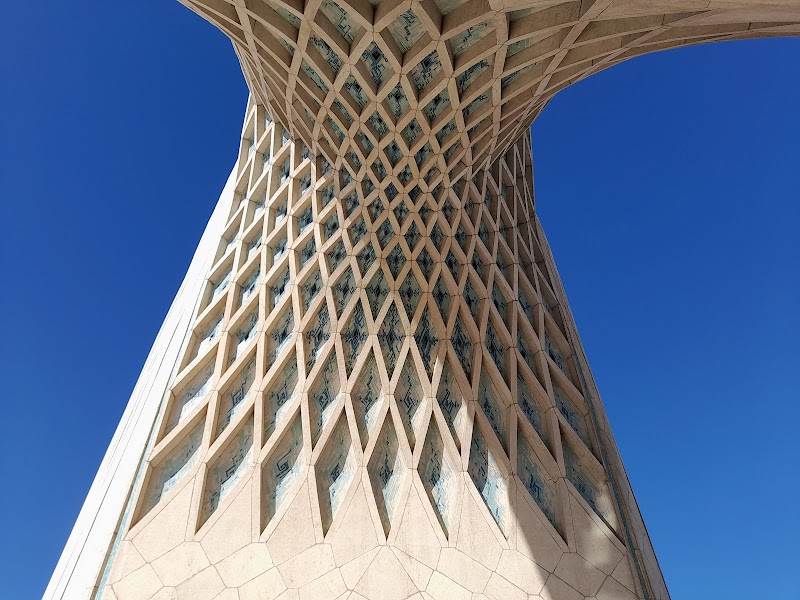
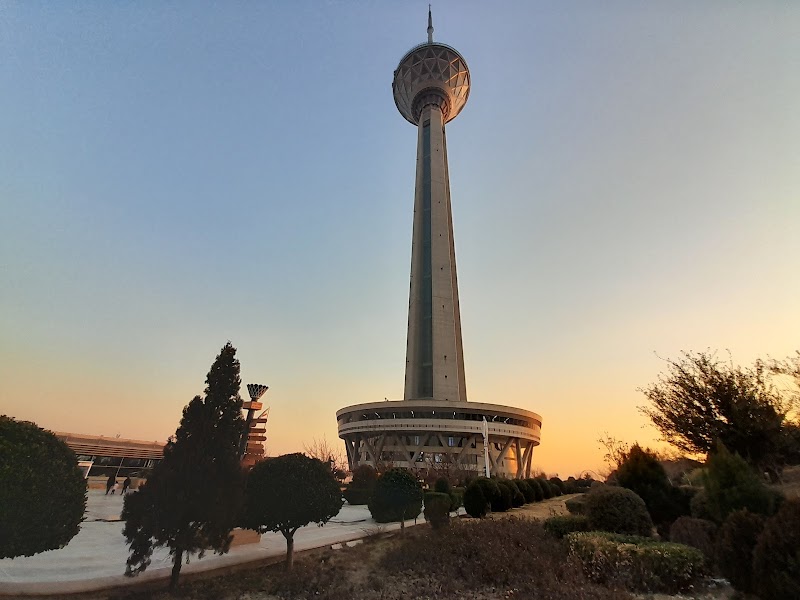
Iran, a country rich in diverse landscapes, offers much more than its iconic cities and historical architecture. This photo highlights an impressive man-made structure visible near Tehran, the nation's capital, which stands in proximity to some uniquely varied natural environments. Just outside the urban sprawl lies a contrast of mountainous terrain, arid deserts, and lush oases, providing a backdrop for countless outdoor adventures.
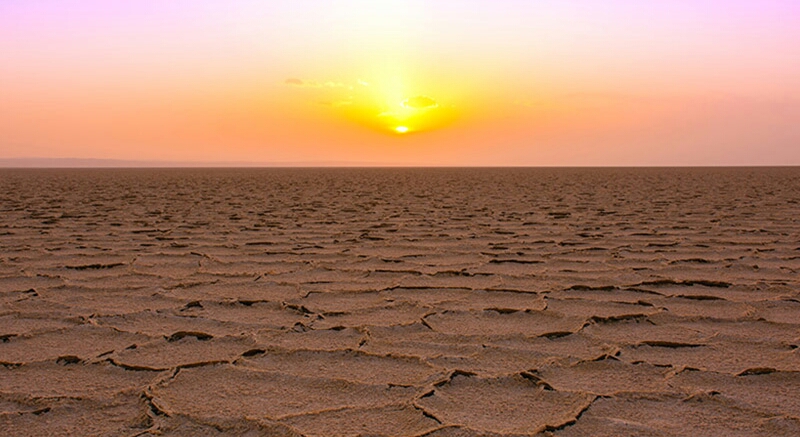
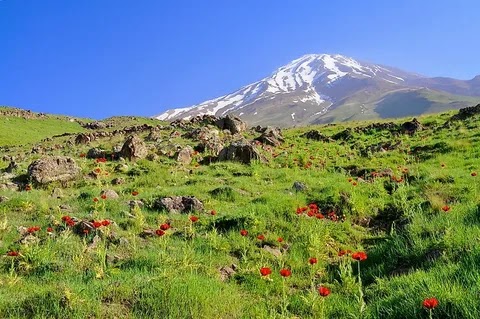
Near this region, the Alborz Mountain range stretches along the northern part of Iran, offering stunning peaks capped with snow and deep valleys filled with pine forests. The highest point in Iran, Mount Damavand, rises within this mountain range, presenting opportunities for hiking and mountaineering. To the south, the Dasht-e Kavir salt desert presents expansive salt flats and surreal landscapes shaped by natural salt crusts and desert climate. Nearby, the Caspian Hyrcanian mixed forests are home to unique flora and fauna, some species found nowhere else in the world.
Despite the presence of urban landmarks, it is Iran’s natural features that make the region stand out for visitors seeking outdoor experiences. The country's ecological diversity ranges from desert dunes to verdant forests, making it a remarkable destination for those interested in unique geology and vibrant natural settings.
Adventure Guide
Adventure Guide to Iran's Natural Outdoor Experiences
1. Mount Damavand Hiking
- Location: Alborz Mountains, near Tehran
- What Makes It Special: The highest peak in the Middle East, known for its volcanic summit and expansive views.
- Key Features: Well-marked trails, mountain huts, and clear weather in summer.
- Local Insights: The climb is a rite of passage for Iranian climbers, involving moderate to challenging trails.
- Visitor Tips: Best to visit from late June to early September. Bring layered clothing, sturdy hiking boots, and altitude sickness awareness.
2. Dasht-e Kavir Salt Desert Excursion
- Location: Central Iran
- What Makes It Special: Vast salt flats with unusual mineral formations and reflective surfaces.
- Key Features: Off-road driving, guided desert tours, and unique night skies for stargazing.
- Local Insights: The desert is best explored with experienced guides because of extreme temperatures and fragile terrain.
- Visitor Tips: Visit in cooler months (October-April), carry ample water, sun protection, and a desert survival kit.
3. Hyrcanian Forest Exploration
- Location: Northern Iran, near the Caspian Sea
- What Makes It Special: Ancient broad-leaf forests with endemic plant and animal species.
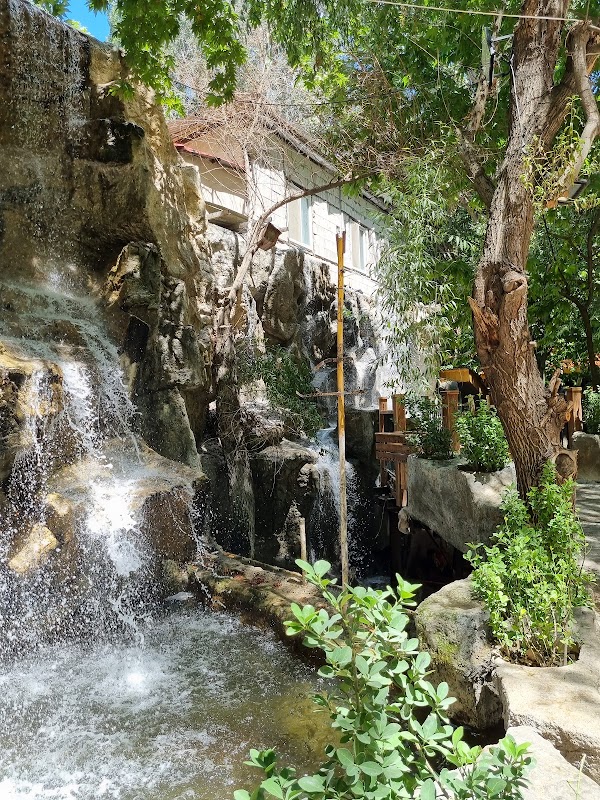
- Key Features: Hiking trails through lush terrain, wildlife watching, and waterfall visits.
- Local Insights: Forests have UNESCO World Heritage status, cherished for their biodiversity.
- Visitor Tips: Spring and early autumn are ideal, wear insect repellent, and prepare for humid conditions.
Getting to Iran: Tehran’s international airport connects to major cities globally. From Tehran, Mount Damavand is about a 2-3 hour drive north. The Hyrcanian forests lie around 3-4 hours to the north along the Caspian coast, while Dasht-e Kavir is roughly a 4-5 hour drive southeast.
Practical Notes:
- Respect local customs and regulations when visiting natural sites.
- Carry cash for rural areas.
- Check visa requirements in advance.
Visitor Tips
- Best Times:Summer, Fall for favorable conditions and optimal lighting.
- What to Bring:Plenty of water, sun protection, a camera, and respectful Leave-No-Trace mindset.