THE ADVENTURE COLLECTIVE® · Independent discovery and booking for outdoor travel

Explore Kuwait City in a full-day guided walk that stitches together Grand Mosque grandeur, historic souqs and contemporary cultural centers. This private, eight-hour tour pairs local history with practical guidance for timing, dress and what to expect on the Corniche and in the markets.
Explore Kuwait City in a full-day guided walk that stitches together Grand Mosque grandeur, historic souqs and contemporary cultural centers. This private, eight-hour tour pairs local history with practical guidance for timing, dress and what to expect on the Corniche and in the markets.
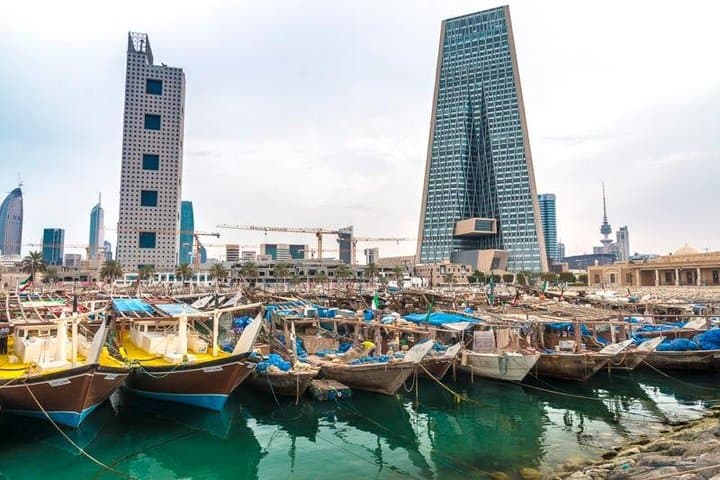
The city wakes in a slow, sun-baked rhythm as your licensed Kuwaiti guide leads you from the sea-scented Corniche into the alleys of Al-Mubarakiya.
Verified experiences and guided adventures in the surrounding area.
Operated by Baitalkhairan Tour Operator Company · Kuwait City, Al Asimah Governorate
The city wakes in a slow, sun-baked rhythm as your licensed Kuwaiti guide leads you from the sea-scented Corniche into the alleys of Al-Mubarakiya.
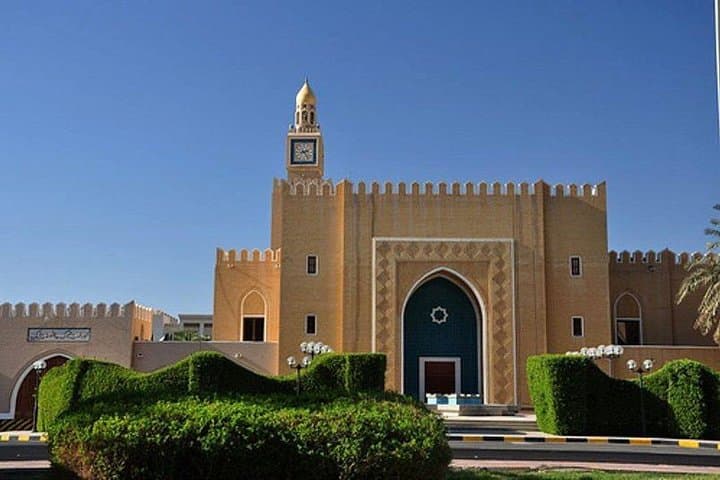
You move through contrasting chapters of Kuwait’s story: the low-stone houses and Sadu weaving at Bait Al Sadu, the austere lines of Seif Palace, the mosque’s domes catching light, and the Armani-sleek glass of modern cultural centers. Geologically this is a flat coastal plain where the Persian Gulf has shaped trade and settlement rather than dramatic peaks. Culturally, Kuwait’s identity is braided from pearl-diving, Bedouin crafts and a brief British protectorate that left institutional traces like Beit Dickson.
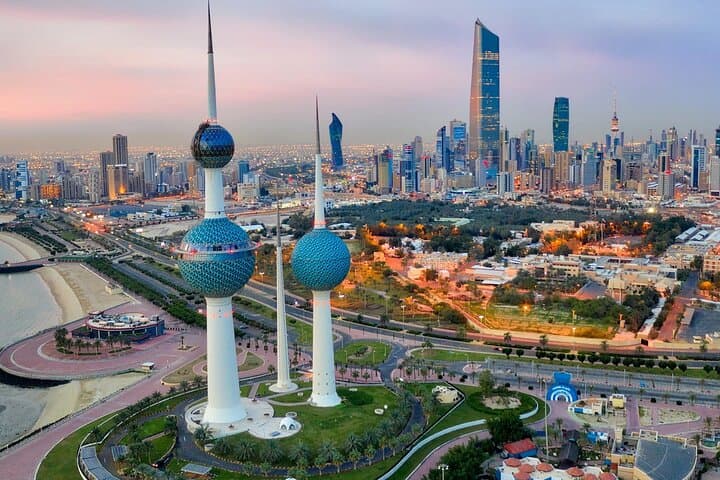
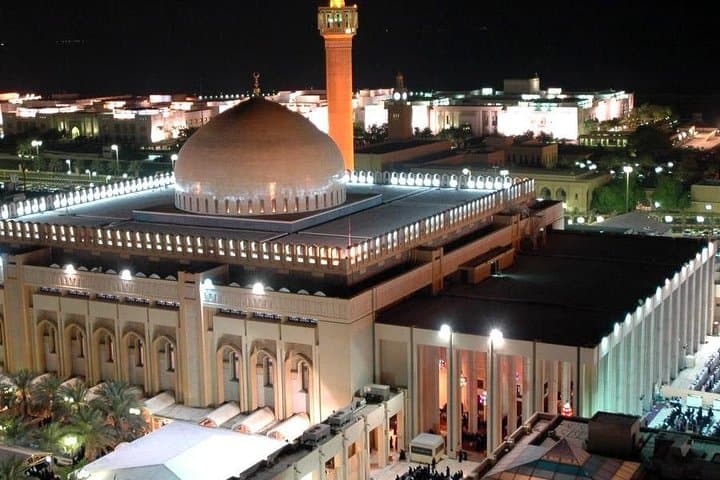
The Grand Mosque’s marble courtyards and the vertical punctuation of the Kuwait Towers show how oil wealth altered scale and ambition, while Souq Al-Mubarakiya keeps older rhythms—spice stalls, oud perfumes and the studied bargaining of merchants. The Liberation Tower and Sheikh Jaber Cultural Centre add recent chapters, including the city’s recovery after the Gulf War.
Practically: the tour runs about eight hours with private transport between sites, so plan for extended walking, sun exposure and mosque etiquette (modest dress, headscarf for women if entering prayer areas). Mid-morning starts avoid the hottest hours; carry water, comfortable shoes and a compact camera. Expect an accessible, low‑impact day that layers history, architecture and city life into a single, walkable itinerary.
easy.
8 hours.
Suitable for most fitness levels; expect several hours of walking on paved city streets with occasional steps.
The tour lasts about eight hours and includes a licensed English/Arabic guide and private car transport between attractions; admission fees and meals are typically not included.
Yes; the itinerary is family-friendly and has an easy walking pace, though some sites have stairs and limited stroller access.
Yes—modest clothing is required at religious sites. Women should bring a headscarf for mosque entry; conservative attire is respectful in public areas.
This is a private tour, so many operators will adjust stops based on interest, time and mobility needs—ask about preferences when booking.
Kuwait evolved from a pearl-diving and trading port into a modern state after large oil discoveries in the 20th century; British protectorate-era ties and the 1990–91 Gulf War are visible in museums and civic memory.
Urban expansion and coastal development stress water resources and shore habitat; support museums and local guides who emphasize cultural preservation and minimize plastic waste.
Baitalkhairan Tour Operator Company operates guided outdoor trips and adventures with an emphasis on safety, stewardship, and memorable experiences.
The city wakes in a slow, sun-baked rhythm as your licensed Kuwaiti guide leads you from the sea-scented Corniche into the alleys of Al-Mubarakiya.
The city wakes in a slow, sun-baked rhythm as your licensed Kuwaiti guide leads you from the sea-scented Corniche into the alleys of Al-Mubarakiya.
You move through contrasting chapters of Kuwait’s story: the low-stone houses and Sadu weaving at Bait Al Sadu, the austere lines of Seif Palace, the mosque’s domes catching light, and the Armani-sleek glass of modern cultural centers. Geologically this is a flat coastal plain where the Persian Gulf has shaped trade and settlement rather than dramatic peaks. Culturally, Kuwait’s identity is braided from pearl-diving, Bedouin crafts and a brief British protectorate that left institutional traces like Beit Dickson.
The Grand Mosque’s marble courtyards and the vertical punctuation of the Kuwait Towers show how oil wealth altered scale and ambition, while Souq Al-Mubarakiya keeps older rhythms—spice stalls, oud perfumes and the studied bargaining of merchants. The Liberation Tower and Sheikh Jaber Cultural Centre add recent chapters, including the city’s recovery after the Gulf War.
Practically: the tour runs about eight hours with private transport between sites, so plan for extended walking, sun exposure and mosque etiquette (modest dress, headscarf for women if entering prayer areas). Mid-morning starts avoid the hottest hours; carry water, comfortable shoes and a compact camera. Expect an accessible, low‑impact day that layers history, architecture and city life into a single, walkable itinerary.