THE ADVENTURE COLLECTIVE® · Independent discovery and booking for outdoor travel

Discover Kuwait City's bold modern architecture on a private half-day tour. Walk and ride through downtown to see Al Hamra Tower, the National Assembly, and contemporary buildings that respond to Gulf climate and culture.
Discover Kuwait City's bold modern architecture on a private half-day tour. Walk and ride through downtown to see Al Hamra Tower, the National Assembly, and contemporary buildings that respond to Gulf climate and culture.
Step off the curb and the city takes a careful breath: glass planes flashing Gulf light, a single carved tower slicing the horizon, and the low hum of traffic threading between civic complexes. This half-day private architecture tour moves at a measured pace—by car and on foot—so you see facades up close and panoramas from the corniche.
Verified experiences and guided adventures in the surrounding area.
Operated by Baitalkhairan Tour Operator Company · Kuwait City, Al Asimah Governorate
Step off the curb and the city takes a careful breath: glass planes flashing Gulf light, a single carved tower slicing the horizon, and the low hum of traffic threading between civic complexes. This half-day private architecture tour moves at a measured pace—by car and on foot—so you see facades up close and panoramas from the corniche.
Kuwait City's skyline is the product of rapid 20th-century transformation. Oil wealth accelerated construction in the 1960s–80s, producing experimental modernist public buildings and bold commercial towers that respond to desert heat and sea breeze. The route typically includes Al Hamra Tower’s sculpted profile, the distinctive form of the National Assembly, corporate headquarters with passive cooling details, and compact neighborhood blocks that betray older merchant-city patterns.
Geology and climate shape design here: buildings face the Arabian Gulf, use shading and massing to reject midday sun, and incorporate resilient materials for saline air. Culturally, architecture gestures toward both international modernism and regional motifs—courtyards, screens, and shaded promenades—reflecting Kuwait’s trading past and civic ambitions.
Practical guidance: aim for morning or late afternoon to avoid peak heat; the private car component reduces long walks but expect brief on-foot segments and some stop-and-go viewing. Bring sun protection and a small bottle of water; many interiors are accessible but verify access to specific lobbies in advance. Photography is welcome in public spaces, but respect signage and private entrances. The guide provides context—construction techniques, social history, and why certain buildings prioritize sustainability—so you leave with both images and understanding.
easy.
3–4 hours.
Minimal fitness required—suitable for travelers who can stand and walk short distances; vehicle segments reduce exertion.
Most stops are exterior visits; access to specific lobbies or observation areas varies—confirm in advance and expect some locations to be view-only.
Yes—this private tour offers wheelchair-accessible transportation and most stop areas are accessible, but notify booking questions to confirm individual building access.
Guides commonly speak English; local guides may also offer Arabic—confirm language preference when booking.
Full refund available if canceled at least 24 hours before departure; tours may be canceled for bad weather per operator policy.
Kuwait’s modern skyline grew quickly after oil revenues surged in the mid-20th century, spurring an era of experimental civic and commercial architecture that blends international modernism with local climatic responses.
Recent developments emphasize energy-efficient facades and passive cooling; visitors should respect private property and minimize single-use plastics to lessen urban environmental impact.
Baitalkhairan Tour Operator Company operates guided outdoor trips and adventures with an emphasis on safety, stewardship, and memorable experiences.
Step off the curb and the city takes a careful breath: glass planes flashing Gulf light, a single carved tower slicing the horizon, and the low hum of traffic threading between civic complexes. This half-day private architecture tour moves at a measured pace—by car and on foot—so you see facades up close and panoramas from the corniche.
Step off the curb and the city takes a careful breath: glass planes flashing Gulf light, a single carved tower slicing the horizon, and the low hum of traffic threading between civic complexes. This half-day private architecture tour moves at a measured pace—by car and on foot—so you see facades up close and panoramas from the corniche.
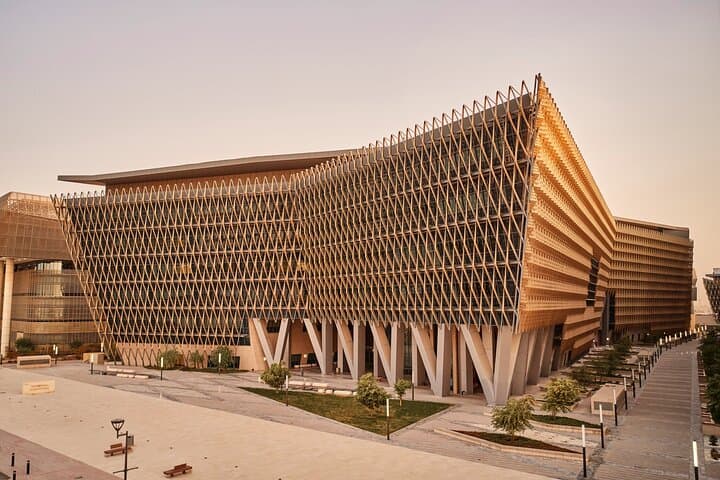
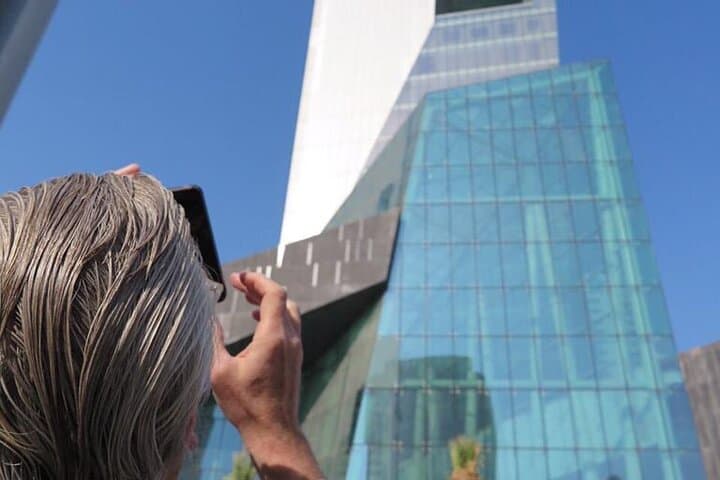
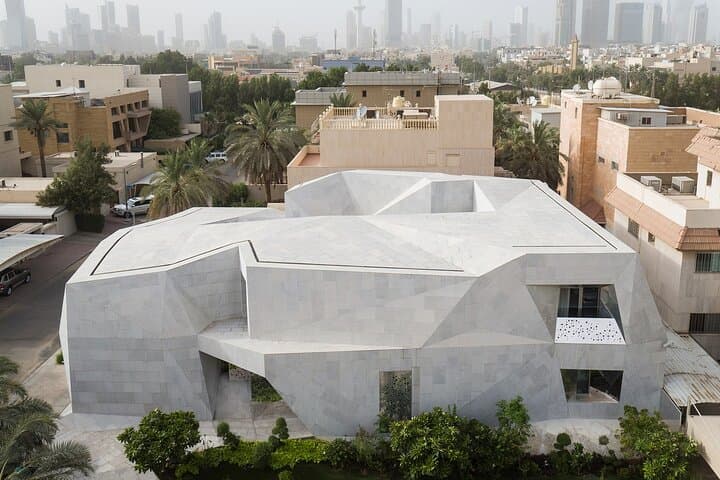
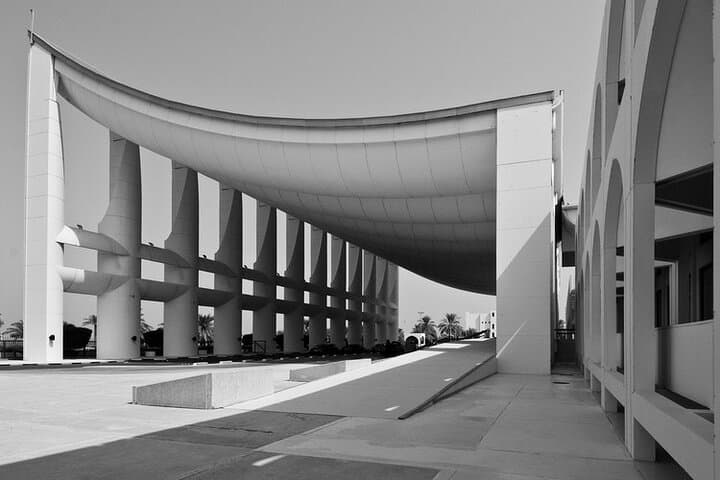
Kuwait City's skyline is the product of rapid 20th-century transformation. Oil wealth accelerated construction in the 1960s–80s, producing experimental modernist public buildings and bold commercial towers that respond to desert heat and sea breeze. The route typically includes Al Hamra Tower’s sculpted profile, the distinctive form of the National Assembly, corporate headquarters with passive cooling details, and compact neighborhood blocks that betray older merchant-city patterns.
Geology and climate shape design here: buildings face the Arabian Gulf, use shading and massing to reject midday sun, and incorporate resilient materials for saline air. Culturally, architecture gestures toward both international modernism and regional motifs—courtyards, screens, and shaded promenades—reflecting Kuwait’s trading past and civic ambitions.
Practical guidance: aim for morning or late afternoon to avoid peak heat; the private car component reduces long walks but expect brief on-foot segments and some stop-and-go viewing. Bring sun protection and a small bottle of water; many interiors are accessible but verify access to specific lobbies in advance. Photography is welcome in public spaces, but respect signage and private entrances. The guide provides context—construction techniques, social history, and why certain buildings prioritize sustainability—so you leave with both images and understanding.