THE ADVENTURE COLLECTIVE® · Independent discovery and booking for outdoor travel

A practical, full‑day exploration of Kuwait City that pairs panoramic skyline views with traditional souqs and cultural museums. Ideal for travelers seeking context-rich, walkable discovery.
A practical, full‑day exploration of Kuwait City that pairs panoramic skyline views with traditional souqs and cultural museums. Ideal for travelers seeking context-rich, walkable discovery.
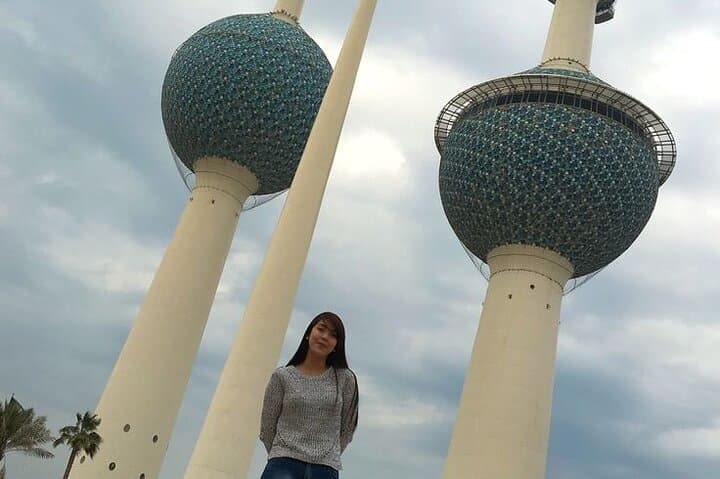
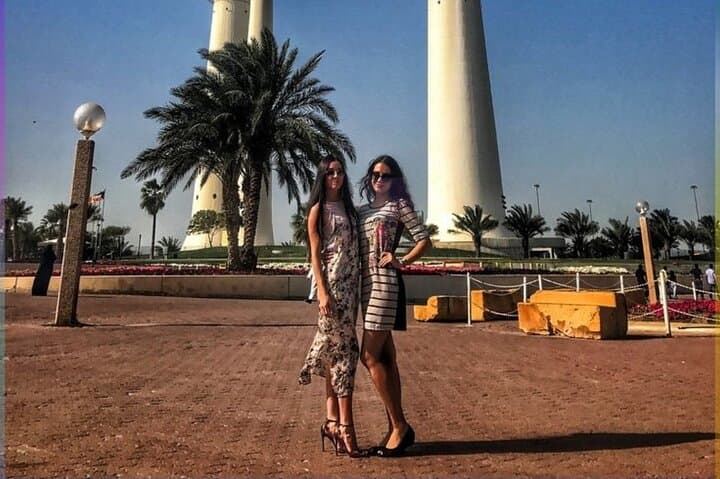
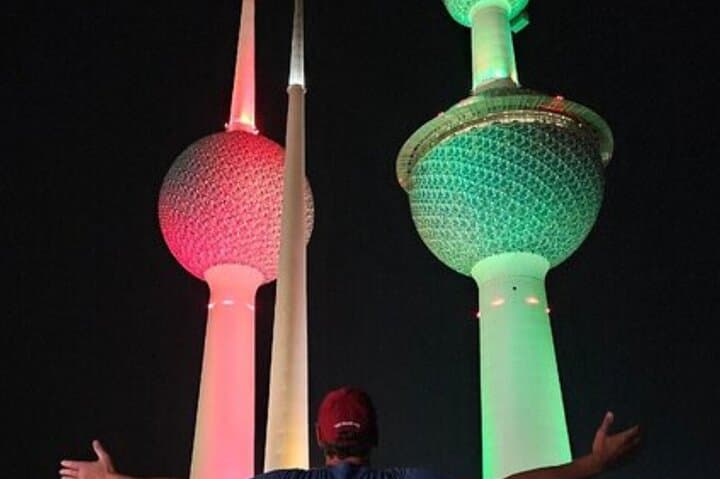
You arrive at the waterfront as a low, brassy light slides off the Persian Gulf; the Kuwait Towers pierce the skyline, their spherical viewing decks catching the city’s geometry. Streets hum with taxis and vendors; the air carries sea salt, cardamom, and diesel — a working coastal capital where oil money and maritime trade shape the urban edge.
Verified experiences and guided adventures in the surrounding area.
Operated by Kuwait Tours · Kuwait City, Al Asimah Governorate
You arrive at the waterfront as a low, brassy light slides off the Persian Gulf; the Kuwait Towers pierce the skyline, their spherical viewing decks catching the city’s geometry. Streets hum with taxis and vendors; the air carries sea salt, cardamom, and diesel — a working coastal capital where oil money and maritime trade shape the urban edge.
This seven‑hour itinerary threads modern icons and traditional places. Start at the iconic Kuwait Towers for panoramic views, then move to Souq Sharq and the adjacent fish market where the Gulf still dictates the day’s catch. The Grand Mosque and Beit Al Sadu reveal a turn from modern ambition to Bedouin craft — Sadu weaving preserves patterns used for centuries by nomadic weavers. Museums like Tareq Rajab and the National Museum house Islamic calligraphy, jewelry and artifacts that trace the city’s role as a pre‑oil entrepôt and a 20th‑century petrostate.
Geology here is simple: low coastal plain, sandy soils and shallow offshore shelves that made small‑boat fishing viable long before oil reshaped the economy. Architecturally, Kuwait alternates glass and concrete boulevards with narrow market lanes where bargaining still matters.
Practical guidance: this is a low‑impact, mostly walking day — expect flat pavement, museum steps and open‑air souqs. Bring sun protection and a refillable bottle; dress modestly for mosque visits and keep small change for market purchases. Start early in summer to avoid peak heat, and confirm museum opening days (many close Friday afternoons). With a knowledgeable guide, you’ll move efficiently between sites, gaining context that turns monuments into stories rather than photo stops.
easy.
7 hours.
Light walking ability; able to stand for museum visits and climb short staircases
Yes — the standard itinerary includes admission fees for the listed museums and the Kuwait Towers viewing platform when specified.
Yes — the tour is family‑friendly; infants can use strollers but may be required to sit on laps in some transport arrangements.
Yes — modest dress is required for mosque visits (shoulders and knees covered); women may be asked to wear a headscarf at certain sites.
Winter (November–March) offers milder temperatures and comfortable sightseeing; summers are very hot and require early starts and strict sun protection.
Kuwait grew from a 18th–19th century trading and pearling port into a modern state after early 20th‑century oil discoveries; its museums reflect both mercantile roots and rapid 20th‑century modernization.
Coastal development and heavy urbanization put pressure on shoreline habitats; local groups and municipal projects promote cleaner beaches and reduced single‑use plastics.
Kuwait Tours operates guided outdoor trips and adventures with an emphasis on safety, stewardship, and memorable experiences.
You arrive at the waterfront as a low, brassy light slides off the Persian Gulf; the Kuwait Towers pierce the skyline, their spherical viewing decks catching the city’s geometry. Streets hum with taxis and vendors; the air carries sea salt, cardamom, and diesel — a working coastal capital where oil money and maritime trade shape the urban edge.
You arrive at the waterfront as a low, brassy light slides off the Persian Gulf; the Kuwait Towers pierce the skyline, their spherical viewing decks catching the city’s geometry. Streets hum with taxis and vendors; the air carries sea salt, cardamom, and diesel — a working coastal capital where oil money and maritime trade shape the urban edge.
This seven‑hour itinerary threads modern icons and traditional places. Start at the iconic Kuwait Towers for panoramic views, then move to Souq Sharq and the adjacent fish market where the Gulf still dictates the day’s catch. The Grand Mosque and Beit Al Sadu reveal a turn from modern ambition to Bedouin craft — Sadu weaving preserves patterns used for centuries by nomadic weavers. Museums like Tareq Rajab and the National Museum house Islamic calligraphy, jewelry and artifacts that trace the city’s role as a pre‑oil entrepôt and a 20th‑century petrostate.
Geology here is simple: low coastal plain, sandy soils and shallow offshore shelves that made small‑boat fishing viable long before oil reshaped the economy. Architecturally, Kuwait alternates glass and concrete boulevards with narrow market lanes where bargaining still matters.
Practical guidance: this is a low‑impact, mostly walking day — expect flat pavement, museum steps and open‑air souqs. Bring sun protection and a refillable bottle; dress modestly for mosque visits and keep small change for market purchases. Start early in summer to avoid peak heat, and confirm museum opening days (many close Friday afternoons). With a knowledgeable guide, you’ll move efficiently between sites, gaining context that turns monuments into stories rather than photo stops.