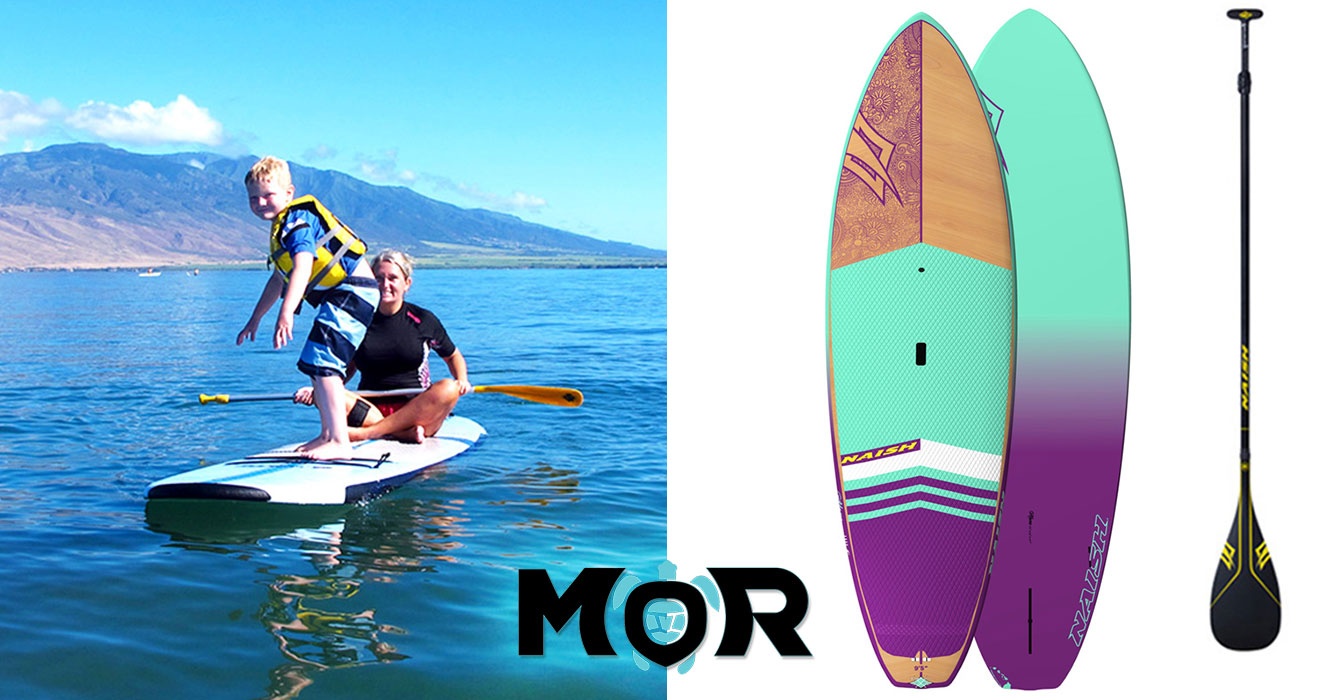
Stand-Up Paddleboarding (SUP) in Paia, Hawaii
Paia SUP Guide

Stand-Up Paddleboarding (SUP) in Paia, Hawaii

Paia sits on Maui’s lively north shore, where an old plantation town meets world-class wind and surf. For SUP travelers, Paia is a study in contrasts: glassy morning bays ideal for flatwater paddling and vibrant reef exploration, and wind- and swell-driven zones for more radical downwind runs and wave riding. This guide focuses on stand-up paddle experiences around Paia—where to go, when to paddle, and how to read the island’s shifting moods safely and respectfully.

Paia HarborHo'okipa Beach ParkMaui North ShoreKuau Cove

Live destination inventory

Top SUP Trips in Paia

38 trips · Book with confidence · Instant confirmation

The prototype intentionally does not invent replacement trip cards or add images that are not already part of the live source page.

The city from the water

Why Paia Is a Standout SUP Destination

Paia’s shoreline reads like a lesson in ocean variety. Morning light often finds Paia Bay a glassy cradle where fishermen slide out past the reef and early-risers on longboards and inflatable SUPs trace gentle lines above coral gardens. By midday the trade winds pick up, shaping a coastline that alternates between protected coves and open exposures that test the mettle of any paddler. This proximity to different marine conditions—sheltered reef flats, long sandy points, and wind-swept channels—makes Paia an exceptional place to explore SUP from playful first-timers to seasoned downwind riders. The town itself matters: Paia’s laid-back storefronts and local cafés create a practical staging ground for an ocean day. Rent gear, get a quick lesson, and you’ll be on the water within minutes. But Paia is more than convenience. The north shore of Maui has deep cultural and sporting roots—windsurfing and surfing culture here is generational—and that history informs how locals view the ocean: as a resource, a livelihood, and a place that deserves respect. Observing local etiquette—yielding to surfers, steering clear of fishing lines, keeping a respectful distance from wildlife—keeps paddlers welcome and safe. Seasonality here is a narrative of trade winds and swell windows. Summer months (roughly late spring through early fall) tend to offer consistent trade winds that fuel exhilarating downwind runs toward the south or east-facing coves, while winter brings larger north swells that can create powerful surf at headlands like Ho’okipa—an arena for experienced wave riders rather than a beginner’s playground. The best SUP days are often early: glassy dawn sessions before the wind builds, or late afternoons when the trade winds relax and light softens over the reef. Wherever you choose to paddle, Paia rewards mindful travel—slower mornings that reveal turtles grazing the reef, crossable channels to hidden coves, and shorelines that trace both natural beauty and the island’s living heritage. Complementary activities are natural extensions of a SUP trip. Windsurfing and kiteboarding are woven into the local fabric and often share the same wind windows that favor downwind SUP. Snorkeling off reef flats pairs well with relaxed paddles, and scenic coastal drives—particularly toward Hana—offer rest days with cliffs, waterfalls, and forest hikes. For the planner, the practical edge matters: tides, swell direction, and wind speed change a Paia paddle from tranquil to technical. Focus on local forecasts, tide charts, and on-the-water conditions, and consider lessons or guided trips if you’re new to ocean SUP. With a little attention and respect for local ocean culture, Paia becomes a versatile, invigorating base for every kind of paddle—from quiet reef cruises to adrenaline-fueled downwinders.

Diverse conditions: sheltered bays for flatwater SUP and exposed points for downwind and wave SUP, all within short drives of town.

Cultural context: a community steeped in wind- and water-sports history—observing local etiquette makes paddling safer and more rewarding.

Activity focus

Choose by purpose

Whale watching, snorkeling, sunset sailing, cultural canoeing, harbor sightseeing, or private chartering.

Departure hubs

Start near the city

Waikiki and Honolulu Harbor are primary hubs, with some trips launching near Hanauma Bay.

Accessibility

Confirm the vessel

Gangways, shaded seating, and boarding requirements vary according to vessel size and operator.

Seasonal planning

Best Time to Visit

Paia is warm year-round, but wind, swell, migration, visibility, and demand change the best match between traveler and trip.

Paia boat tour
Year-round destination

Seasonal highlights change the reason to go

Winter favors humpback encounters; warmer, calmer months favor snorkeling visibility and smoother water.

Humpback season

Summer months see more visiting paddlers chasing trade-wind downwind runs and consistent conditions.

Prime whale watching, winter holidays, higher demand, and earlier sell-outs.

Snorkeling window

April–May–June–September–October

Typically gentler seas and clearer water for snorkeling trips.

Weather notes

Trade winds year-round

Paia’s weather oscillates between calm, glassy mornings and steady trade-wind afternoons. Summer months bring reliable winds and warm seas; winter increases north swell and surf at exposed points. Monitor local swell and wind forecasts; early mornings usually offer the calmest paddling.

Quieter opportunities

Late spring & summer weekdays

Winter offers powerful wave SUP for experienced riders and quieter land-based attractions—expect bigger surf and stronger currents at exposed breaks.

Match the trip to your comfort

Choose Your Experience Level

Low effort

Beginner

Calm, protected bays with short paddles and reef-viewing close to shore. Focus on balance, basic strokes, and learning etiquette near surfers and swimmers.

  • Gentle SUP tour of Paia Bay
  • Reef-view paddle and snorkeling stop
  • Introductory SUP lesson with rental
Active day trip

Intermediate

Longer coastal paddles, light chop, and guided reef navigation with basic experience reading gusts and currents.

  • Half-day coastal paddle toward Kuau Cove
  • Mixed flatwater and small-wave practice at protected points
  • Sunset paddles around Paia Harbor
Longer or technical

Advanced

Downwinders, wave SUP at exposed breaks, and offshore paddles that require confident ocean navigation, strong paddling fitness, and rescue awareness.

  • Trade-wind downwind run with guide
  • Wave SUP at Ho’okipa (experienced-only)
  • Long coastal traverse with current and swell exposure

Prepare for sun, spray, and swell

What to Bring

Essential

Core kit

  • Leash and properly sized SUP (rental or personal board)
  • Personal flotation device (PFD) if required or for open-water paddling
  • Reef-safe sunscreen and sun protection (hat, UV shirt)
  • Hydration and small dry bag for phone and keys
  • Appropriate footwear for rocky shore entries
Recommended

Useful extras

  • Light wind jacket for choppy, windy conditions
  • Familiarity with tide and swell charts or a local tide app
  • Waterproof phone case and whistle for safety
  • Basic first-aid kit and small multi-tool
Optional

Trip-specific

  • Compact binoculars or snorkel mask for reef viewing
  • GoPro or action camera with board mount
  • Inflatable SUP pump if using rental drop-offs
Check local forecasts, respect marine wildlife, and honor surf etiquette—yield to surfers and local paddlers. Rentals and lessons are plentiful but book mornings for the calmest water.

Insider Tips & Local Knowledge

Reserve whale-watching and popular sunset cruises well ahead during December–April.
Choose morning snorkeling departures for calmer seas and better underwater visibility.
For motion sensitivity, choose a larger vessel, sit mid-ship, and take preventative medication before boarding.
Do not touch coral or wildlife, avoid standing on reefs, and use reef-safe sunscreen.
Community-based operators may add context about traditional navigation and stewardship.
Arrive early for parking and check-in because Waikiki departure areas can be busy.

Planning questions

Frequently Asked Questions

Most recreational paddleboarding from public beaches does not require a permit. Specific protected areas or commercial tour operations may have separate regulations—check with local authorities or rental operators if unsure.
Stand-Up Paddleboarding (SUP) in Paia, Hawaii
Ready for your sup adventure?

Browse 38 verified trips in Paia.

Compare current availability and book with instant confirmation.

Explore Paia sup