
Pāʻia adventure guide
Find your way into Pāʻia.
A windswept surf town with a global heartbeat, Pāʻia is Maui’s northern hinge where windsurfers carve lines at Ho'okipa, reef snorkelers slip into warm blue, and road trips to Hana unfurl like a travelogue. This guide folds Water Activities—surf, snorkel, SUP, kayak, sailing, and boat tours—into coastal hikes, eco tours, and photography outings so you can stack morning surf sessions with afternoon whale-watch or a late-day drive upcountry. Practical, shore-ready, and endlessly welcoming, Pāʻia is your base for water-first adventures and island-culture detours.
Three ways into the city
Pick a landscape. Build a day around it.
Pāʻia is less a single destination than a collection of neighboring worlds. Start with the version of the city that matches your pace, then use the ranked guide below to fill in the details.

Begin where the city meets the sea.
Surf breaks, sheltered harbors, whale routes, and long beach paths make the coast LA’s most immediate outdoor playground.
Explore water activities →
Let a local connect the landmarks.
Use a guided city, walking, or sightseeing tour to turn LA’s sprawl into a coherent story.
Explore boat tour →
Ride the coast and the city.
Beach paths, river corridors, e-bikes, and ridge climbs reveal a more connected Los Angeles.
Explore bike tour →Choose your way into Pāʻia
The top 15 Pāʻia adventures.
Ranked by the number of currently listed trips. Each panel opens the complete local activity collection.
1Water Activities
Pāʻia is a compact shoreline community where wind, swell, and surf meet—making it one of Hawaii's most iconic water-activity hubs. From world-class windsurfing and kitesurfing to beginner surf lessons, calm stand-up paddle sessions, and nearby snorkeling and boat charters, Pāʻia caters to adrenaline seekers and easygoing ocean-goers alike. This guide focuses on how to experience the water here safely and memorably, when to go, and what to bring.
Explore water activities →2Boat Tour
Pāʻia is a small town with a big marine personality: a place where wind-sculpted surf culture meets a working harbor and a line-up of boat tours that unlock Maui’s marine world. From early-morning snorkel runs to Molokini’s clear crater waters, seasonal humpback-watching cruises, sunset sails, and sportfishing charters, boat tours launched from the Paʻia area put you on the water quickly and accessibly. This guide focuses on the experience of taking a boat tour in and around Pāʻia — what the sea feels like here, how to choose the right trip for skill and comfort level, seasonal rhythms, and practical planning notes that make a day on the ocean smoother and more rewarding.
Explore boat tour → 3
3Snorkel
Pāʻia is a small town with outsized access to the varied marine worlds of north and west Maui. While the town itself is known for windsurfing and laid-back surf culture, it’s also a practical base for snorkel-focused travel: sheltered coves and reef gardens lie a short drive away, and several boat-launch operators nearby put you on coral gardens, sea turtle feeding areas, and clear-water channels that reward both new snorkelers and the experienced. This guide focuses on the snorkel experience from Pāʻia—where to go, when to go, what to expect from sea and shore, and how to blend a day of breathing underwater with the island’s broader coastal culture.
Explore snorkel → 4
4Surf
A compact town with outsized ocean culture, Pāʻia sits at the pulse of Maui's North Shore surf scene. From wind-powered planing at Ho'okipa to the reef-carved rights and occasional big-wave theater of nearby Peahi, Pāʻia is both a day-trip magnet for wave watchers and a training ground for surfers of every stripe.
Explore surf → 5
5Sightseeing Tour
Pāʻia is a small, salty town that functions as both a cultural waypoint and the practical launchpad for some of Maui’s most memorable sightseeing tours. Here, sightseeing means shoreline drives and cliffside overlooks, slow walking tours through plantation-era streets, windsurf-watching at Paʻia Bay and Ho’okipa, and full-day excursions that thread the Hana Highway, Haleakalā slopes, and hidden coastal coves. Tours range from short walking and food-focused outings to full-day coach trips and small-boat marine expeditions—each offering different slices of Maui’s coastal scenery, natural history, and living culture.
Explore sightseeing tour → 6
6Whale Watch
Pāʻia is a small town with a big relationship to the ocean: a vibrant windsurfing community, a working harbor, and proximity to the Auʻau Channel—the winter nursery of North Pacific humpback whales. From cliffside shore-watching to intimate small-boat eco-tours, Pāʻia offers multiple ways to witness these giants in one of their most protected and accessible habitats.
Explore whale watch → 7
7Scuba
A short, lively town on Maui’s windward coast, Pāʻia is less about flashy resorts and more about access: to warm waters, healthy coral gardens, and a tangle of boat ramp and shore-entry sites that put divers in the water quickly. From easy morning trips launched from tiny Pāʻia Harbor to guided excursions that chase mantas, whales, and large reef fish, the area is a practical base for divers who want both approachable logistics and rewarding marine life encounters.
Explore scuba → 8
8Hiking
A compact surf town with a freeride spirit, Pāʻia is also a practical and poetic gateway to some of East Maui’s most varied hiking terrain. From salt-sprayed coastal footpaths and windblown headlands to rainforest corridors along the Hana Highway and the otherworldly slopes of Haleakalā, hikers based in Pāʻia can stitch together short morning walks and full-day expeditions without long drives. This guide focuses on hiking culture around Pāʻia—terrain, seasons, planning, and the complementary outdoor experiences that make island hiking so distinct.
Explore hiking → 9
9Eco Tour
Pāʻia is the island’s authentic gateway to hands-on, low-impact nature experiences: short coastal walks that read like a marine field guide, boat-based reef conservation trips, and farm-to-table tours that trace food from lo‘i and orchard to plate. This guide organizes the best eco tours leaving from — or easily accessed through — Pāʻia, with practical notes on terrain, seasons, and what to pack.
Explore eco tour → 10
10Photography Tour
Pāʻia is the kind of small town that arrives in frame before you even lift the camera: wind-scoured storefronts, surf rallies at dawn, and a coastline that stages some of Maui’s most photogenic moments. Photography tours based in Pāʻia range from windsurfer-action shoots at Hookipa to coastal landscape sessions, waterfall and rainforest micro-photography along the Road to Hāna, and seasonal wildlife excursions for whales and seabirds. These guided outings maximize light and location while offering local context—how surf culture shapes the scene, where trade winds sculpt clouds, and when remote vantage points open up for golden-hour panoramas.
Explore photography tour → 11
11Kayak
Pāʻia is an intimate gateway to Maui’s raw Pacific—where ocean-sculpted lava coastline meets steady tradewinds and the culture of watermanship runs deep. Kayaking from Pāʻia is less about tranquil flat-water touring and more about reading swell, timing launches with tidal windows, and choosing routes that match the island’s seasonal moods. Expect mornings that can be glassy and reflective, afternoons that pick up a trade-wind chop, and winter swells that transform the coastline into a dramatic playground for experienced paddlers.
Explore kayak →Sailing
A compact town with big-sea energy, Pāʻia is the gateway to winds that shape Maui’s sailing culture. From short harbor-cruise catamarans to bluewater days chasing steady trade winds, sailing here pairs surf-town verve with easy ocean access. Expect lively wind-days, reef-protected snorkeling stops, and a local fleet geared for everything from relaxed sunset trips to windward crossings.
Explore sailing →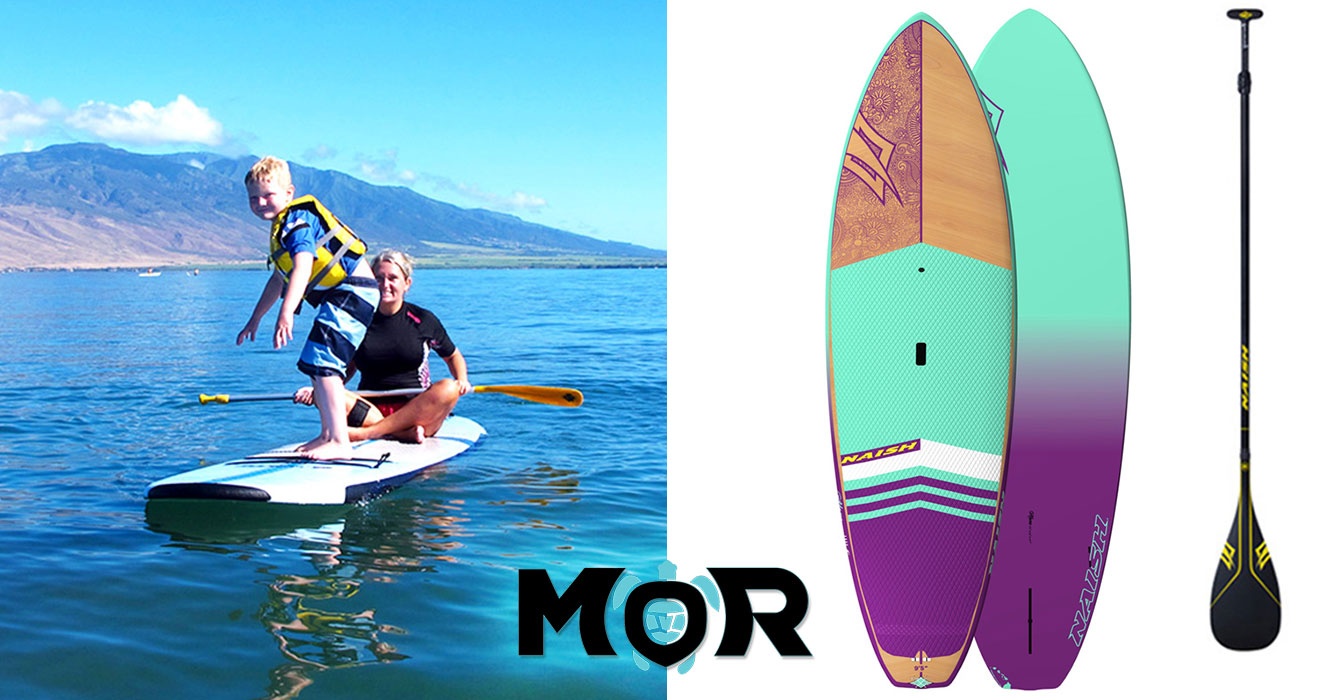 13
13SUP
Pāʻia is where wind, swell, and aloha meet a stand-up paddleboard. Nestled on Maui’s windward north shore, the town is a vibrant gateway for everything from glassy flatwater paddles in Māliko Bay to wind-assisted downwind runs and surfable breaks for experienced SUP surfers. Whether you’re chasing a serene sunrise glide past lava rock and sand, a high-adrenaline downwind crossing, or a lesson in beachbreak etiquette, Pāʻia’s shoreline offers a compressed curriculum of ocean-skill building and coastal escape.
Explore sup →14Bike Tour
Pāʻia is Maui’s compact, wind-brushed launchpad for two-wheeled exploration. A former plantation town turned surf-and-bike enclave, it sits at the turnoff to the famous Hāna Highway and the gateway to a lattice of coastal and upland routes. Bike tours here range from easy e-bike cruises along palm-lined beaches to committed road rides over rolling upcountry terrain and technical singletrack for mountain bikers. Expect strong trade winds, sun on repeat, and a cultural texture that blends Hawaiian ʻāina awareness with a relaxed, rider-friendly vibe.
Explore bike tour → 15
15Dolphin
Paia's north-shore harbor is a compact gateway to some of Maui's most consistent dolphin encounters. From early-morning boat cruises to sit-in kayaks and guided snorkel trips, the region offers a chance to watch spinner and bottlenose dolphins in crystalline reef-lined water while trade winds sculpt the waves along the shoreline.
Explore dolphin →The city and the sea
Why Pāʻia Belongs on Your Adventure Shortlist
Variety without surrendering the day to long transfers.
There’s a practical poetry to Pāʻia: narrow storefronts, the scent of sun‑bleached canvas, and an unpretentious lineup of waves that has attracted windsurfers and surfers from around the world. The town sits on the leeward edge of Maui’s North Shore, a convenient launchpad for the region’s best Water Activities—snorkeling reefs at Turtle Town a short boat tour away, SUP and kayak-friendly coves, and a string of surf breaks from gentle longboard waves to hollow rights that test even experienced riders. Mornings often mean glassy water for stand-up paddling or an early morning boat tour that turns into a photography tour when the light slants low and the colors go cinematic. Pāʻia is both gear shed and gateway. Outfitters in town handle everything from board rentals and leash swaps to guided scuba and whale watch trips when humpbacks migrate through the channel in winter. For the independent traveler, the town’s compact grid makes logistics simple: pick up snorkel gear, fuel with a robust breakfast, and be on the water before noon. For the traveler who prefers a local’s pace, eco tours and guided kayak excursions deliver context—reef health, native species, and the cultural history of the coastline—alongside the usual adrenaline of catching a swell or spotting dolphins. Beyond the immediate shoreline, Pāʻia threads into Hana Highway runs, mountain bike loops in the Haleakalā foothills, and short coastal hikes that reward photographers and birders alike. Sightseeing tours and photography tours often pair natural highlights with pockets of local culture—roadside fruit stands, taro farms, and historic plantation architecture—so your day can be as active or as relaxed as you like. The mix of Boat Tour options, Sailing charters, and shore-based SUP trips means you can tailor the adventure: quiet mornings paddling a glassy bay, then an afternoon snorkeling vibrant coral gardens or joining a small-group whale watch when the season calls. Pāʻia’s charm is pragmatic: it’s easy to reach, compact to move around, and equipped with the services a traveler needs. That means less time worrying about logistics and more time gearing up for the next outing—whether it’s a dawn surf session, an afternoon scuba dive, or an evening of low-light photography on a wind-bent beach. Pack well, pick an early start, and use Pāʻia as the node for every water-based adventure Maui delivers.
The town’s surf culture meshes with conservation-minded operators—expect outfitters who brief you on reef etiquette and protected species before a snorkel or scuba trip. That cultural throughline keeps popular sites healthier and experiences repeatable.
Pāʻia’s location makes it easy to pair high-energy days (surf, kite, or boat tour) with mellow afternoons—bike tours, beach walks, or a photography tour at sunset. Local cafes and repair shops keep the practical side of adventure humming.
Conditions shape the day
The best time to visit Pāʻia.
Pāʻia is pleasant year-round; trade winds blow most afternoons and create reliable surf and windsurf conditions. Winter months bring larger, more powerful surf and cooler water—ideal for experienced surfers and whale watches—while late spring and fall offer smaller swell windows and calmer seas for snorkeling, sailing, and SUP.
Best all-around window
Spring + fall
Comfortable mixed-itinerary weather, thinner crowds at beaches and lookouts, and more room to improvise.
Beach season
December–March for whale watching and winter surf; holiday weeks (late December–early January) also see heavy visitation.
Surf + whales
Late spring and fall provide lower crowds and calmer water for boat tours and snorkeling; shoulder months often offer better-value lodging and more flexible booking with outfitters.
Coast to inland
Cool marine mornings often give way to warmer inland afternoons and breezy evenings.
Beginner
Short, supervised outings with low technical demand—guided snorkel floats, surf lessons on mellow beach breaks, easy SUP in protected bays, and short coastal walks.
- Beginner surf lesson at a sheltered beach
- Guided snorkel trip to shallow reefs
- Short guided SUP tour in a calm bay
Intermediate
Longer sessions and increased conditions: paddleboard trips in light swell, intermediate surf breaks, full-day snorkeling or boat tours, and beginner-friendly scuba dives with certification.
- Guided kayak to sea caves and reef edges
- Half-day boat tour with snorkeling and dolphin sighting potential
- Morning surf session at a consistent point break
Advanced
High-wind or big-swell days, multi-hour offshore sails, technical scuba or freediving, and exposed surf breaks that require solid experience and local knowledge.
- Advanced windsurfing or kitesurfing sessions at Ho'okipa
- Blue-water scuba dives and drift dives with strong currents
- Open-ocean sailing or big-swell surf runs
Field kit
What to bring.
Pack for sun, salt water, walking, and a meaningful temperature swing between coast and inland Pāʻia.
Essential
Start here
- Reef-safe sunscreen (SPF 30+)
- Light wetsuit or rashguard for sun and chafe protection
- Waterproof phone case or small dry bag
- Sturdy water shoes for rocky shore entries
- Reusable water bottle and daypack
Water days
Keep it dry
- Mask, snorkel, and fins if you prefer your own gear
- Wide-brim hat and polarized sunglasses
- Travel insurance that covers water sports
- Small first-aid kit and blister prevention
Long days
Stay flexible
- Action camera with floatation mount
- Compact binoculars for whale and dolphin spotting
- Lightweight tripod for low-light photography
Insider note
Start early, then keep the geography tight.
Start early to beat afternoon winds for SUP, kayak, and calm snorkeling. Book surf lessons and boat tours at least a few days in advance during peak season. When whale watching, bring layers—early-morning boat rides can be cool—and use binoculars for distant blows. Favor small-group operators who brief on reef etiquette and use reef-safe sunscreen. If you plan a Hana Highway day trip, leave a flexible window—road conditions and stop-offs can easily double estimated times. Finally, support local businesses: Pāʻia’s cafes, shacks, and outfitters are part of the town’s character and keep adventures practical and accessible.
Good to know
Frequently asked questions.
Can I snorkel right off a Pāʻia beach?
Some nearby coves and reefs are snorkel-accessible, but conditions vary by tide and swell. Better snorkeling is often reached by short boat tours or by driving a few minutes to sheltered bays—check with local outfitters for current conditions.
Is Pāʻia suitable for beginner surfers and SUPers?
Yes—there are lessons and gentle breaks for beginners nearby, but conditions change with swell and wind. Book a lesson with a reputable school and ask about current break suitability before entering the water.
Are whale watches and dolphin encounters guaranteed?
No. Seasonal whale watches (December–April) have high sighting rates, but wildlife sightings are never guaranteed. Choose small-boat or small-group tours for a more personal, lower-impact experience.
Ready when you are
Find the trip that fits your Pāʻia day.
Compare bookable experiences across the coast, city, and mountains—then save the ones that belong in your plan.
Explore all Pāʻia adventures ↗