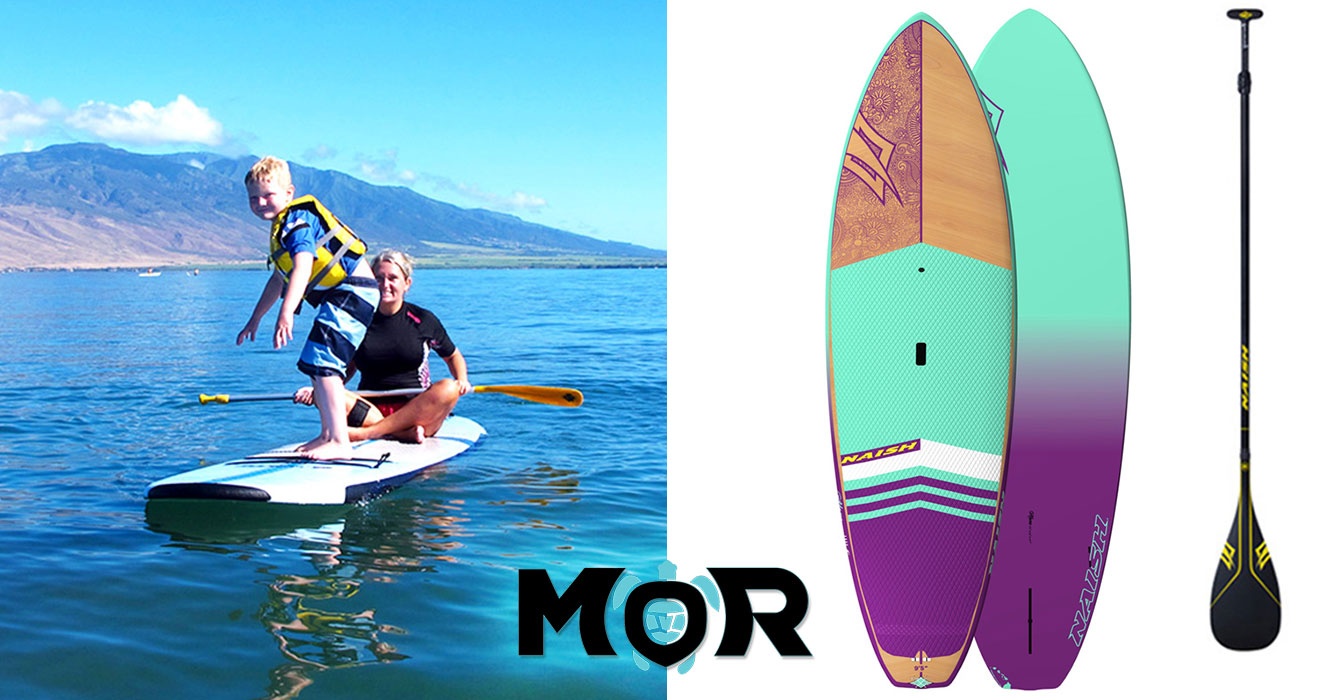
Top SUP Adventures in Pāʻia, Hawaii

Pāʻia, Hawaii

Pāʻia is where wind, swell, and aloha meet a stand-up paddleboard. Nestled on Maui’s windward north shore, the town is a vibrant gateway for everything from glassy flatwater paddles in Māliko Bay to wind-assisted downwind runs and surfable breaks for experienced SUP surfers. Whether you’re chasing a serene sunrise glide past lava rock and sand, a high-adrenaline downwind crossing, or a lesson in beachbreak etiquette, Pāʻia’s shoreline offers a compressed curriculum of ocean-skill building and coastal escape.

38
Activities
Year-round (trade-wind and swell dependent)
Best Months

Top SUP Trips in Pāʻia

38 trips • Book with confidence • Instant confirmation

Why Pāʻia Is a Standout SUP Destination

Pāʻia is a small town with a big ocean education. The north shore of Maui compresses a wide range of paddling conditions into a short coastline: sheltered coves that read calm at dawn, long open stretches that become exhilarating downwind runs when the trade winds fire, and reef-guarded breaks that turn into playful playgrounds for surf-capable boards. For paddlers the lesson is immediate and sensory. Early mornings often arrive glassy, breath visible above the water as the island’s silhouette softens with the first light; afternoons bring the tradewind breath that sculpts whitecaps and coaxes the ocean into motion. That variability is the job interview and the reward. In a single day you can practice flatwater balance, learn to read the wind, and—if your skillset allows—tackle a headland-to-headland crossing that feels like flight.

Beyond pure conditions, Pāʻia’s culture is wired to the ocean. The town evolved from a plantation and whaling outpost into a small hub of windsurfers, kiteboarding and SUP communities who share knowledge at the shore. Local instructors and rental shops are part of a tightly woven network: they know where the morning glass lives, where current funnels create tricky exits, and which reef channels are safer for downwind runs. That local knowledge matters—reading currents, tides, and swell direction is as important as board choice. Practically, Pāʻia is small and walkable: you can park, rig a board, and be paddling in minutes. The nearby road system provides access to multiple launch points within short drives, so paddlers can tailor plans to wind forecasts and school-aged surf activity.

Environmental context is also central to the experience. Hawaiian coastal ecosystems are fragile; reefs harbor reef fish and limu (seaweed) beds that depend on mindful use. Respecting marine life, avoiding reef dragging, and returning gear without foreign debris are basic etiquette. Seasonality is purposeful: winter swells reconfigure the north shore into a playground for experienced surfers and large-wave specialists, while spring and early summer bring more predictable trade-wind patterns favoring downwinders and sheltered paddles. For visiting paddlers, Pāʻia offers a condensed curriculum in ocean literacy: learn to time tides, read swell angles, and develop a shortcut to intuition that only repeated days on the water provide.

Variety in a short stretch: Pāʻia’s coastline includes calm bays for beginners, exposed points for downwinders, and reef breaks that test surf skills all within short drives of one another.

Local knowledge levels up safety and fun: small shops and instructors share real-time insights about currents, channel exits, and wind windows—ask before you launch.

Cultural and environmental awareness matters: paddle with care around reefs and marine life, practice leave-no-trace beach habits, and favor reef-safe sunscreen.

Activity focus: Stand-Up Paddleboarding (flatwater, downwind, and SUP surfing)
Number of listed SUP experiences: 38
Launch options range from calm Māliko Bay to exposed north-shore points
Conditions shift with trade winds and seasonal swell—plan by forecast
Local instruction and guided downwind trips are widely available

Best Time to Visit

Best Months

AprilMayJuneSeptemberOctober

Weather Notes

Spring and early summer typically deliver consistent, manageable trade winds and smaller north swells—ideal for downwind paddles and sheltered morning flatwater. Trade winds often pick up in the afternoons during summer; winter months bring larger north swells that can create powerful surf best left to experienced SUP surfers and big-wave teams.

Peak Season

Late spring and summer for calm-morning paddles and reliable downwind windows; winter draws surf-focused visitors to the north shore.

Off-Season Opportunities

Winter offers dramatic surf watching and advanced SUP surfing opportunities for experienced paddlers; early-morning flatwater sessions remain possible on offshore-wind days.

Frequently Asked Questions

Do I need a permit to launch a SUP in Pāʻia?

Most public beaches and boat ramps in Maui are open for paddle launches without a specific SUP permit. If you plan to use a county ramp with parking restrictions or a private marina, verify local rules and parking fees ahead of time.

Are rentals and lessons available in Pāʻia?

Yes—local shops offer rentals, guided downwind outings, and lessons ranging from beginner flatwater clinics to advanced downwind technique and SUP surfing coaching. Book lessons for first-time paddlers and consult guides for daily conditions.

Is SUP surfing at Ho'okipa suitable for beginners?

Ho'okipa sees powerful surf and strong currents. SUP surfing here is for experienced paddlers only. Beginners should practice in sheltered bays or with an instructor before attempting exposed north-shore breaks.

Choose Your Experience Level

Beginner

Calm, protected bays and mornings with light winds are ideal. Focus is on balance, stroke efficiency, and basic safety—launches from sandy beaches with shallow entries are preferred.

  • Glass-morning paddle in Māliko Bay
  • Guided beginner clinic and short harbor loop
  • Stand-up yoga and balance drills on a stable board

Intermediate

Paddlers comfortable with chop, basic turns, and paddle recovery can explore longer coastal runs, sheltered reef edges, and guided nearshore crossings with moderate winds.

  • Coastal point-to-point paddle toward Paia Harbor
  • Introduction to downwind technique with a guide
  • Nearshore reef-edge paddles to observe marine life

Advanced

Experienced SUPers can chase open-ocean downwind runs, tackle seasonal surfable breaks, and plan long coastal traverses that require ocean reading, efficient wave-riding, and confident self-rescue skills.

  • Downwind runs along the north shore on trade-wind days
  • SUP surfing at reef breaks (conditions permitting)
  • All-day coastal crossing with tide and current planning

Insider Tips & Local Knowledge

Check local wind and swell forecasts, talk to beachside shops for current conditions, and always respect reef and shore wildlife.

Launch early for glassy conditions and lighter winds—many paddlers are off the water by late morning or earlier in summer when trades ramp up. Ask local rental shops for recommended launch points tailored to your skill level; they’ll also advise the better tide windows for shallow reef channels. If you’re trying a downwind run, paddle with a buddy or a guided group until you know the exit points; currents and shorebreaks can complicate landings. Use reef-safe sunscreen, stow trash, and avoid stepping on coral—these small choices keep the coastline healthy and access open to visitors. Finally, consider taking at least one lesson or guided trip: Pāʻia’s ocean is a superb classroom and the short-term cost pays back in safety, confidence, and more fun on the water.

What to Bring

Essential

  • Leash (coiled for surf, straight for flatwater/downwind based on local advice)
  • PFD approved for paddle sports (wear as required or as advised by guide)
  • Reef-safe sunscreen and sun protection (hat, UV top)
  • Hydration and quick snacks
  • A robust marine-safe dry bag for keys, phone, and layers

Recommended

  • Appropriate board: wider stable board for beginners, inflatable or touring board for flatwater, longer glide or downwind-specific board for open crossings
  • Fins suited to your board’s conditions
  • Waterproof phone case and whistle for emergencies
  • Basic first-aid kit and reef-safe antiseptic

Optional

  • Light neoprene top for cooler mornings or wind-chill
  • Rashguard or spring suit for sun protection
  • SPOT/PLB or VHF for remote downwind routes
  • GoPro or action camera mounted for downwind runs

Ready for Your SUP Adventure?

Browse 38 verified trips in Pāʻia with instant booking

Explore Top 15 Pāʻia, Hawaii Adventures →