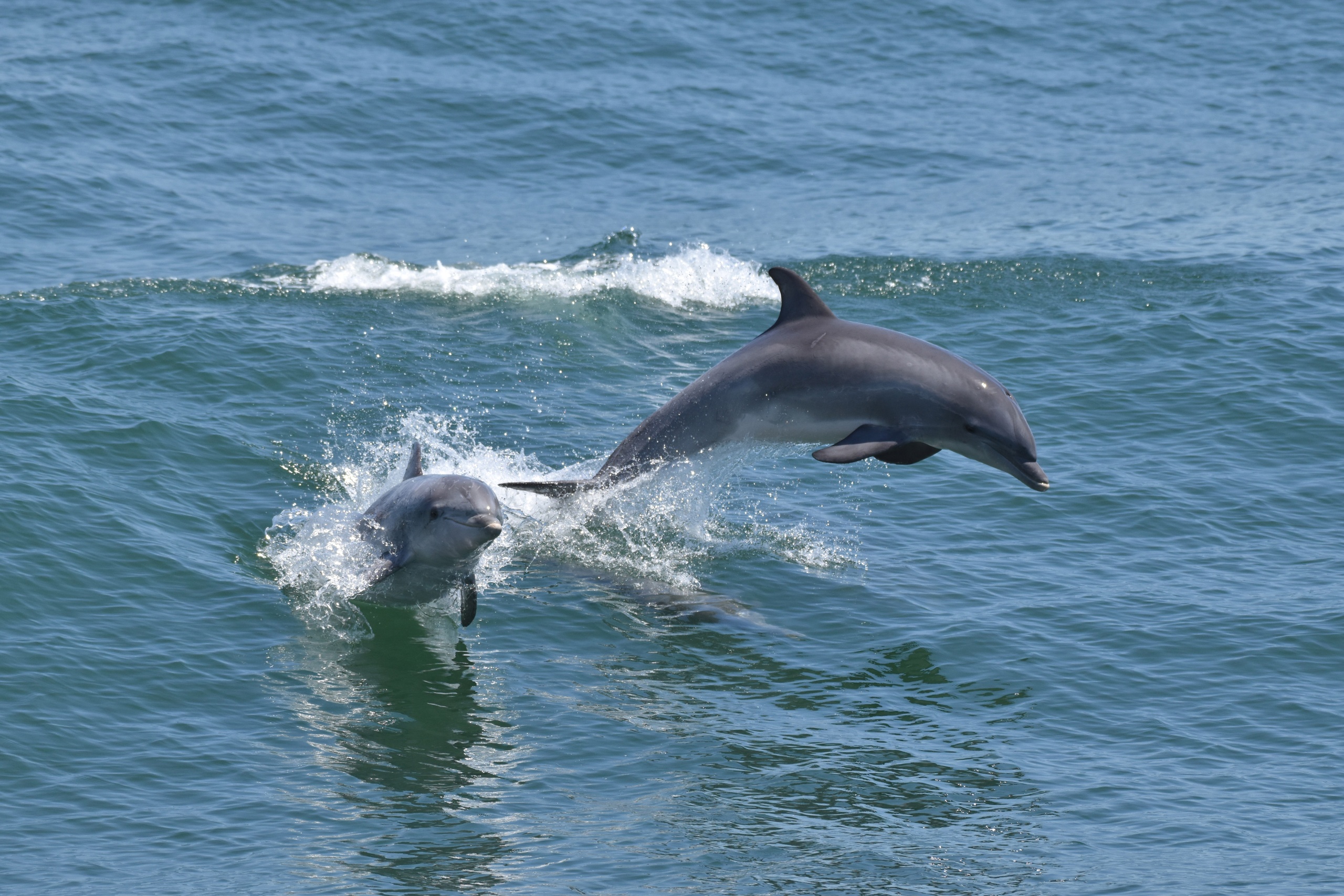
Dolphin Watching & Dolphin Experiences in Mauricetown, New Jersey
Mauricetown sits at the confluence of river and bay, where tidal currents tuck warm, nutrient-rich water into sheltered estuaries—an inviting highway for dolphins as they follow baitfish into these shallow, productive reaches. Dolphin watching here blends small-town maritime rhythm with surprising encounters: pods slicing past oyster beds, calves riding bow waves, and long, lazy afternoons when the river is a mirror and the dolphins move like punctuation in the light. Whether you’re scanning the water from a kayak, a small launch, or a low bluff overlooking the channel, the experience is intimate, immediate, and rooted in a working-waterfront culture that still measures days by tides.
Top Dolphin Trips in Mauricetown
4 trips • Book with confidence • Instant confirmation
Why Mauricetown Is a Standout Dolphin-Watching Spot
Mauricetown is a small place with a big edge for coastal wildlife: it sits where the Maurice River funnels into the broad Delaware Bay, creating a mosaic of tidal flats, marsh channels, and deeper shipping lanes that act as both feeding grounds and travel corridors for marine life. The geometry of river and bay concentrates baitfish—menhaden, silversides, and other forage species—into channels and eddies. That concentration attracts seabirds and, in turn, the animals that chase them. On many summer mornings and evenings, local boat operators will tell you they’ve seen groups of bottlenose dolphins working the edges of oyster beds and the mouths of creeks, taking advantage of currents that shuttle prey through narrow passages.
What makes Mauricetown feel different from larger coastal whale- and dolphin-watching hubs is the intimacy of the encounters. Boats are small, launches leave from modest docks, and shore-based viewing points are often within a short walk of historic streets. There’s an unmistakable authenticity—the town is still tied to its maritime economy, with working boats, oyster racks, and fishermen who have watched these waters for generations. That local knowledge is part of the experience: captains know not just where dolphins are likely to appear, but when tides and wind will force them into the river mouth or along a particular shoal. This means that dolphin sighting here is as much a lesson in tides and timing as it is in marine biology.
The cultural and environmental story is woven together. Mauricetown’s shoreline has been shaped by industry and stewardship—oystering and small-boat fishing sit alongside conservation efforts to keep estuarine habitats healthy. Responsible wildlife viewing is important: keeping distance, minimizing noise, and avoiding interference with feeding or nursing animals preserves the quality of future encounters. For travelers, a dolphin day in Mauricetown pairs naturally with paddleboarding along quiet channels, birdwatching among marsh grasses, and sampling the town’s seafood—making for a full, sensory coastal day that balances adventure, reflection, and learning.
The tidal mechanics of the Maurice River concentrate prey and create predictable windows for dolphin activity—early morning and late afternoon tides are often best.
Local guides and small-boat operators prioritize calm-water routes that maximize viewing while minimizing disturbance, and many combine dolphin watching with birding and estuary ecology interpretation.
Best Time to Visit
Best Months
Weather Notes
Calm mornings and late afternoons offer the best light and smoother water for sightings. Summer brings longer daylight and frequent boating opportunities; wind can pick up in the afternoon, creating chop that reduces visibility from small craft.
Peak Season
June–August (highest boat activity and most organized tours)
Off-Season Opportunities
Spring and fall shoulder seasons can produce excellent feeding events and fewer crowds; winter is quieter—shoreline walks and birding may be more rewarding than expecting frequent dolphin sightings.
Frequently Asked Questions
Do I need a boat to see dolphins in Mauricetown?
No—dolphins are sometimes visible from shoreline points and low bluffs near the river mouth, but small launches and guided kayak trips significantly improve sighting odds and offer safer, closer perspectives.
Are guided dolphin tours available year-round?
Many operators run seasonal schedules focused on spring through fall. Off-season offerings are limited and depend on weather and operator availability.
How close can boats get to dolphins?
Federal and state guidelines recommend maintaining respectful distances and avoiding behaviors that alter natural dolphin movement. Professional guides follow local regulations and best practices to minimize disturbance.
Choose Your Experience Level
Beginner
Shore-based viewing or short, guided boat trips suitable for families and casual observers. Minimal physical exertion required.
- Half-hour shoreline watch at low bluff points
- Short group dolphin cruise from a local dock
- Introductory guided kayak on sheltered channels
Intermediate
Longer small-boat excursions or paddle trips that require basic comfort on water and some stamina. Better for photographers and those seeking extended observation windows.
- Half-day dolphin-and-birding boat tour
- Guided kayak trip through tidal creeks with planned observation stops
- Sunset cruise combining dolphin watching with local history narration
Advanced
Self-guided expeditions or multi-activity days for experienced paddlers or photographers who can handle changing tides and wind, and who plan their own routes with an understanding of local conditions.
- Open-water kayak crossings timed to tide for accessing prime viewing stretches
- Private charter focused on photography and extended observation
- Citizen-science outings reporting sightings to local marine monitoring groups
Insider Tips & Local Knowledge
Always verify launch access, operator schedules, tides, and weather before heading out.
Start early when winds are light and the river glassy; wildlife is often more active in those calm windows. Ask local captains about tide timing—many dolphin encounters are predictable around incoming or outgoing tides that concentrate baitfish. If you join a kayak trip, opt for guided outings the first time; guides know ferry lanes, oyster beds to avoid, and how to read current patterns. Keep a respectful distance and silence cameras’ shutters when animals are near—abrupt noise and motion can interrupt feeding or maternal behaviors. Finally, pair your dolphin day with a shore lunch at a local café or a walk through Mauricetown’s historic waterfront to connect the natural experience with the human stories that shape these waters.
What to Bring
Essential
- Life jacket (PFD) if kayaking or joining small-boat trips
- Binoculars for distant sightings
- Waterproof sunscreen and sun-protective clothing
- Water and snacks; trips can run several hours
- Camera with a zoom or telephoto lens (or a waterproof phone case)
Recommended
- Light wind jacket—breezes increase on open stretches of the bay
- Motion-sickness medication if you’re prone to seasickness
- Reusable water bottle and small dry bag for phone/keys
- Wide-brim hat and polarized sunglasses for glare reduction
Optional
- Field guide or app for marine birds and local fish species
- Small spotting scope for shore-based watches
- Notebook for jotting observations—local guides often appreciate citizen reports
Ready for Your Dolphin Adventure?
Browse 4 verified trips in Mauricetown with instant booking
Explore Top 15 Mauricetown, New Jersey Adventures →