
Mauricetown adventure guide
Find your way into Mauricetown.
Mauricetown is a low-slung, salt-scented pocket of South Jersey where wooden piers, crab shacks, and quiet river bends shape a day of small-scale discoveries. This guide stitches together boat tours and boat rentals with shore-based walking tours, eco tours, and fishing outings so you can taste the maritime rhythms: an early kayak or canoe paddle past heron-haunted marshes, a mid-morning sup or surf lesson when conditions allow, and an afternoon sighting of dolphins near the bay. Whether you’re chasing birds on a wildlife morning, casting for striped bass, or trading stories with local captains, Mauricetown is compact and approachable—an understated fuel stop for water activities that demand good timing more than gear. Use this list to mix practical options (boat rental, guided kayak and SUP trips, bus or train connections from regional hubs) with low-effort pleasures (walking tours of the historic district, shore-side sightseeing, and late-day eco tours that spotlight migrating waterfowl).
Three ways into the city
Pick a landscape. Build a day around it.
Mauricetown is less a single destination than a collection of neighboring worlds. Start with the version of the city that matches your pace, then use the ranked guide below to fill in the details.

Begin where the city meets the sea.
Surf breaks, sheltered harbors, whale routes, and long beach paths make the coast LA’s most immediate outdoor playground.
Explore boat tour →
Let a local connect the landmarks.
Use a guided city, walking, or sightseeing tour to turn LA’s sprawl into a coherent story.
Explore sightseeing tour →
Ride the coast and the city.
Beach paths, river corridors, e-bikes, and ridge climbs reveal a more connected Los Angeles.
Explore wildlife →Choose your way into Mauricetown
The top 15 Mauricetown adventures.
Ranked by the number of currently listed trips. Each panel opens the complete local activity collection.
1Boat Tour
Mauricetown is a small, weathered village tucked into the winding Cohansey River where oyster flats, marsh grass, and a history of working boats converge. Boat tours here are intimate: think low-slung skiffs threading narrow channels, sunset cruises past old schooner slips, and wildlife-focused trips that put migratory birds and estuary life on stage. This guide focuses on the experience of seeing Mauricetown from the water—what to expect, when to go, and how to plan a trip that mixes maritime history, ecology, and simple coastal pleasure.
Explore boat tour → 2
2Water Activities
Tidal creeks, wide estuary flats, and a forgiving coastline make Mauricetown a quietly magnetic place for water lovers. Paddle glassy morning channels, chase springtime migratory birds along salt marsh edges, fish the tidal mouths at dusk, or learn the rhythm of clam flats and oyster bars. This guide focuses on the water — how it moves here, what to expect, and how to plan a low-impact, memorable experience in a small river town with big tidal character.
Explore water activities →3Sightseeing Tour
Mauricetown is a compact, salt-tinged mosaic of maritime history, wide tidal creeks, and low-slung wooden houses that line quiet streets. Sightseeing here is intimate: boat skiffs slipping past marsh grass, walking loops through a 19th-century waterfront village, and sunrise birding along tidal flats. This guide focuses on tours—boat, walking, and seasonal wildlife excursions—that showcase the town’s living estuary, shipbuilding past, and outsized natural attractions.
Explore sightseeing tour → 4
4Fishing
Mauricetown is a compact, salt-stained village where wooden skiffs swing on low tide and salt grass hums with insect life—an understated fishing destination that rewards patience and local knowledge. From bank casts along winding tidal creeks to guided, early-morning trips into the wider Delaware Bay, fishing here is intimate and seasonal: stripers and bluefish chase bait through shallow flats in spring and fall, fluke and tautog visit structure in the heat of summer, and quiet evenings yield croaker and spot. This guide zeroes in on fishing—shore, boat, kayak, and fly—while threading in complementary experiences like birding the marshes, kayaking the river, and sampling local seafood at a riverside tavern.
Explore fishing → 5
5Train
Mauricetown is a low-slung river town where the sober geometry of rails and river docks meet salt air and shuttered warehouses. Trains here are less about high-speed transit and more about texture—heritage excursions within reach, freight corridors that slice through marshes, and small depots that whisper industrial history. This guide focuses on the kinds of rail experiences you can actually chase from Mauricetown: window-seat landscapes, depot museums, rail-adjacent birding and paddling, and the slow, photogenic rhythms of working lines in a coastal agricultural region.
Explore train → 6
6Boat Rental
Mauricetown is a small, salt-streaked village where the Maurice River slows into wide marshes and the Delaware Bay folds into gentle estuary channels. Boat rentals here are less about horsepower and more about access—to tidal creeks lined with glassy eelgrass, to quiet oyster flats, and to migratory birds that use this coastline as a stopover. Whether you want a day of low-key cruising, a fishing run into the bay, or a sunset pontoon drift beneath pastel skies, Mauricetown’s boat rental scene serves up practical, small-town service and smart launching options for every kind of boater.
Explore boat rental → 7
7Walking Tour
Mauricetown compresses maritime history, tidal landscapes, and a slow, observational pace into a walking tourable village. These pathways lead from clapboard houses and shipyards to riverside boardwalks and oyster-shingled docks—ideal for travelers who want the intimacy of small-town exploration with natural and cultural layers at every turn.
Explore walking tour → 8
8Eco Tour
Mauricetown's quiet waterfront and mosaic of marsh, river, and tidal flats make it a microcosm of the mid-Atlantic estuary. Eco tours here are intimate—small-boat paddles, guided bird walks, and hands-on oyster restoration outings that reveal the interdependence of community, history, and habitat.
Explore eco tour → 9
9Surf
Mauricetown is a study in contrasts: a quiet historic riverside village whose tides and shoals occasionally conspire to produce surfable lines. Surfing here is less about consistent West Coast peaks and more about reading tides, eyeing wind angles, and finding the right slack between estuary currents and bay fetch. Expect intimate sessions framed by salt marsh, low-slung dunes, and working waterfronts—an experience equal parts surf scouting and coastal exploration.
Explore surf → 10
10Kayak
Mauricetown is a small but singular entry on New Jersey’s paddling map: a village threaded by the tidal Maurice River and hemmed by broad salt marshes that feel a world away from the state’s busier shorelines. Kayaking here is intimate and elemental—meandering through eelgrass fringes, threading narrow tidal creeks, and pushing out to the wide, wind-swept mouth of the river when conditions allow. Expect bird-filled estuaries, oyster flats, and a working waterfront history visible from the water. The paddling is best read through tides and wind: calm mornings and incoming tides make the marshes navigable and forgiving, while afternoon sea breezes can sculpt open-water sections into a lively chop. Whether you’re chasing migration-season shorebirds, practicing tidal navigation, or simply soaking up low-slung coastal light, Mauricetown’s kayak scene rewards quiet attention and sensible planning.
Explore kayak → 11
11SUP
Mauricetown is a small maritime town with outsized paddling appeal: broad tidal creeks, wide estuarine flats, and a sheltered harbor that introduces paddlers to the quieter side of the Delaware Bay. SUP here is about low-slung salt marsh panoramas, close wildlife encounters, and the satisfying logic of tides. Routes range from glassy, beginner-friendly harbor cruises to intermediate estuary runs where currents and wind shape the itinerary.
Explore sup → 12
12Canoe
Mauricetown is a low-slung, salt-scented place where the Maurice River widens into brackish creeks and tidal flats—ideal terrain for canoeists who prefer quiet, bird-rich paddling over whitewater thrills. Expect flatwater stretches through marsh channels, surprising labyrinths of glassy tidal creeks, and approachable launch points close to a town steeped in shipbuilding history. This guide highlights paddles that emphasize wildlife, tides, and the subtle craft of reading estuarine water.
Explore canoe →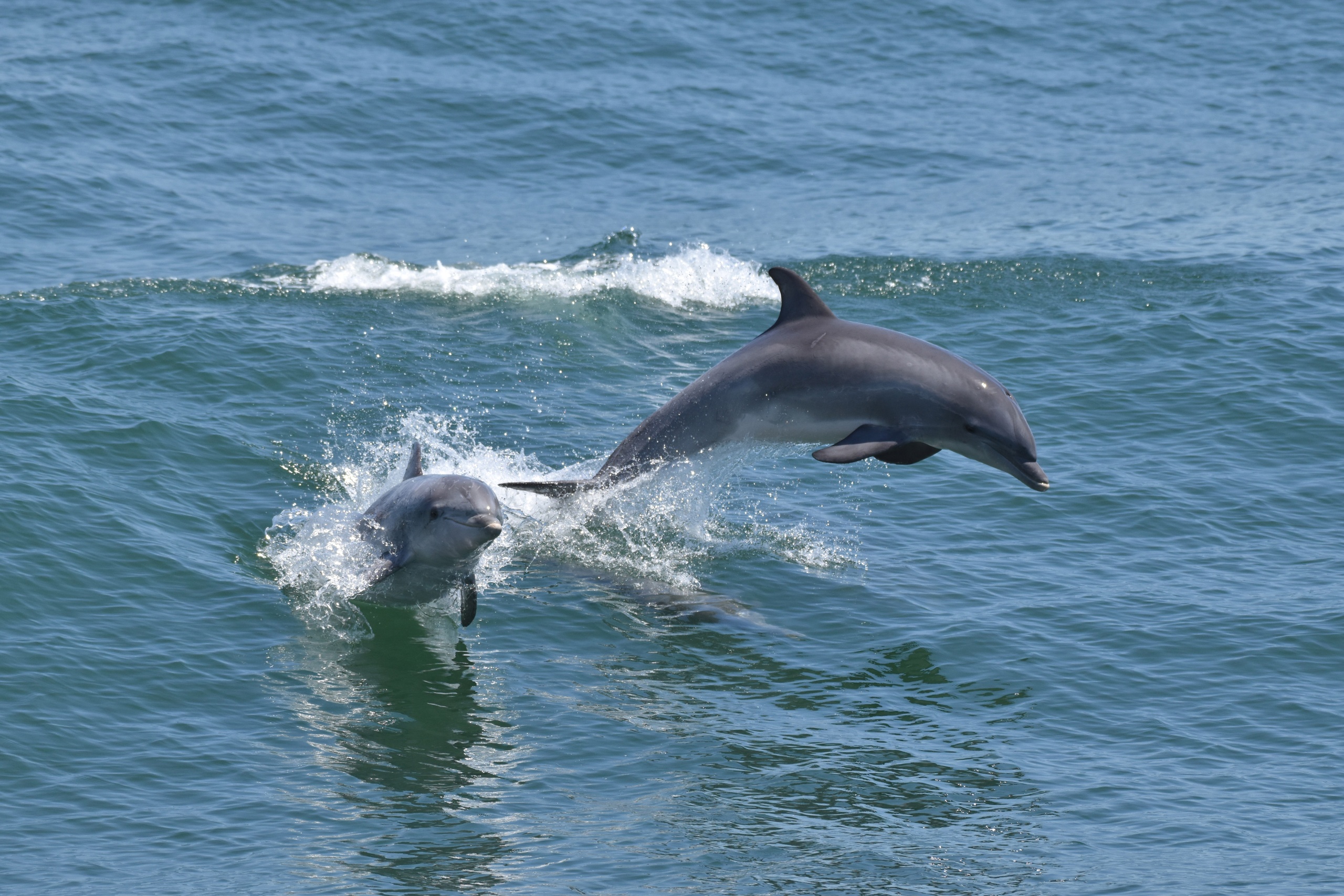 13
13Dolphin
Mauricetown sits at the confluence of river and bay, where tidal currents tuck warm, nutrient-rich water into sheltered estuaries—an inviting highway for dolphins as they follow baitfish into these shallow, productive reaches. Dolphin watching here blends small-town maritime rhythm with surprising encounters: pods slicing past oyster beds, calves riding bow waves, and long, lazy afternoons when the river is a mirror and the dolphins move like punctuation in the light. Whether you’re scanning the water from a kayak, a small launch, or a low bluff overlooking the channel, the experience is intimate, immediate, and rooted in a working-waterfront culture that still measures days by tides.
Explore dolphin →14Wildlife
Mauricetown sits on the gentle bend of the Maurice River where tidal marshes, oyster flats, and quiet creeks create a concentrated, wildlife-rich landscape. This guide focuses on birding, estuary ecology, and low-impact wildlife encounters accessible from short walks, boat launches, and roadside pullouts. Expect shorebirds and waterfowl in migration seasons, nesting raptors in summer, and subtle sightings—diamondback terrapin, egrets, and the slow roll of river fish—if you slow down and listen.
Explore wildlife → 15
15Bus Tour
Mauricetown's quiet streets and salt-scented horizons are best discovered at a measured pace — and for many visitors that pace is set by a bus. Bus tours around Mauricetown thread together the village's maritime history, tidal wetlands, and neighboring coastal hamlets. They convert narrow backroads and scenic waterways into a curated itinerary: narrated drives that stop at birding overlooks, historic homes, and waterfront parking lots where short walks or boat transfers expand the day. These tours are practical for travelers who want panoramic context without the logistics of driving, and they pair neatly with walking, boat, and bike-based side trips for a richer, multi-modal day of exploration.
Explore bus tour →The city and the sea
Why Mauricetown Belongs on Your Coastal Shortlist
Variety without surrendering the day to long transfers.
Mauricetown is one of those small places that rewards a slower calendar. The town’s scale—a handful of streets, a string of docks, and the wide tidal breath of the Maurice River—makes it an ideal staging ground for water-first itineraries: boat tour outings at dawn, midday kayak runs that glide past marsh tussocks, and evening eco tours when the light softens and the tide swings. You feel the patchwork of maritime livelihoods here: anglers prepping lines for a fishing session, captains polishing the varnish on skiffs, and naturalists pointing out the trilling calls of marsh birds. That human scale blends with an immediacy of access—put-ins for kayak and canoe trips are close to town, boat rental options are straightforward, and a short hop out into Delaware Bay can flip a day from estuary paddling to open-water dolphin spotting. For travelers who love layered days, Mauricetown is quietly generous. Start with a walking tour of the historic waterfront to get your bearings, then drop into the water on a SUP or kayak to feel the tide’s pull. If you prefer guided context, eco tours and sightseeing tours provide narrated windows into the estuary’s ecology and local maritime history, while boat tours and smaller vessel charters let you chase birds and dolphins on schedule. Fishing here is both a pastime and a craft: from bank casting to guided half-day trips, options suit weekend anglers and people who want to learn local techniques. Even the more urban-feeling activities—sightseeing, bus or train connections to nearby hubs—exist to make longer itineraries viable without sacrificing the town’s smallness. Practicality matters here: tides govern timing, weather governs comfort, and local operators hold the keys to the best days and launch points. That combination—intimate maritime culture, a dense mix of water activities (kayak, SUP, canoe, surf where conditions permit), and easy-access rentals and tours—makes Mauricetown a smart addition to a Jersey coast trip. It’s ideal for people who prize craft over crowds: anglers happy with a productive afternoon, families seeking gentle paddles and dolphin watches, photographers chasing low-light reflections, and eco-minded travelers drawn to wildlife viewing and guided interpretation. The result is a small-town coastal rhythm that feels like an expedition scaled to an afternoon: measured, restorative, and memorably marine.
Getting around is uncomplicated: most key access points are a short drive from the historic core, and local outfitters often offer shuttles or guided launches. Book charters and bike or boat rentals in advance for summer weekends.
Pair active days on the water with slow evenings—seafood spots and riverside benches are part of the local after-activity ritual. Respect private docks and nesting areas, and time estuary paddles around tide tables to avoid getting stranded on mudflats.
Conditions shape the day
The best time to visit Mauricetown.
Late spring through early fall offers the most consistent window for water activities—warmer air and water, longer daylight, and an ebb-and-flow of migratory wildlife. Pay attention to Nor'easter risk in shoulder seasons; strong winds can close bays and make paddling or small-boat outings unsafe.
Best all-around window
Spring + fall
Comfortable mixed-itinerary weather, thinner crowds at beaches and lookouts, and more room to improvise.
Beach season
Summer weekends (June–August) are busiest for boat rentals and guided tours—book in advance and plan launches early in the day.
Surf + whales
Spring and fall shoulder seasons are best for bird migration, calmer water days, and more availability for guided eco tours and fishing charters.
Coast to inland
Cool marine mornings often give way to warmer inland afternoons and breezy evenings.
Beginner
Short, guided paddles and calm estuary sections suit beginners. Walking tours and sightseeing boat rides offer a low-skill route to local stories and wildlife viewing.
- Guided boat tour of the Maurice River estuary
- Short kayak or SUP lesson on a sheltered channel
- Historic walking tour of the waterfront
Intermediate
Longer paddle loops, mixed current conditions, and shore-based fishing require some experience and comfort reading tides and winds.
- Self-guided kayak or canoe loop with planned tide windows
- Half-day fishing trip from a skiff
- Eco tour focusing on marsh ecology and wildlife identification
Advanced
Open-bay crossings, surf launches, and longer backcountry paddles call for advanced skills, reliable weather-forecasting, and solid navigation experience.
- Open-water boat rental or charter into Delaware Bay for dolphin and pelagic wildlife
- Surf or coastal paddle when conditions are appropriate
- Extended paddle linking multiple estuary channels at favorable tides
Field kit
What to bring.
Pack for sun, salt water, walking, and a meaningful temperature swing between coast and inland Mauricetown.
Essential
Start here
- Tide chart or app and a basic plan for put-in and extraction points
- Layered clothing (coastal winds can be chilly even on warm days)
- Waterproof phone case or dry bag for keys, camera, and documents
- Personal flotation device (PFD) or confirm rental includes one
- Sunscreen, hat, and polarized sunglasses for glare on the water
Water days
Keep it dry
- Light wind shell for changing coastal weather
- Waterproof map or offline navigation app for estuary channels
- Small first-aid kit and whistle for on-water signaling
- Binoculars for wildlife and dolphin spotting
Long days
Stay flexible
- Wading shoes for exploring tidal flats at low tide
- Action camera or compact camera with a strap
- Compact fishing kit if you plan to try local fishing spots
Insider note
Start early, then keep the geography tight.
Start early—mornings often have the calmest water and the best wildlife activity. If you’re renting a boat, confirm fuel and safety-kit expectations before you go. For kayak, SUP, or canoe trips, use tide charts to avoid long mudflat carries on return. When fishing, check local regulations and seasons; charter captains will advise on licenses, bait, and top spots. For photographers and birders, golden hours around high tide often yield the richest light and movement. Finally, support local businesses—marinas, guides, and seafood spots—and ask about seasonal eco tours that highlight migratory birds and estuary restoration work.
Good to know
Frequently asked questions.
Can I do most activities without a guide?
Yes for basic kayaking, canoeing, and walking tours if you have comfort with tides and navigation. Hire a guide for unfamiliar estuary channels, dolphin-focused outings, or to fish local hot spots safely.
Are dolphin sightings common?
Dolphins are seen seasonally in Delaware Bay and near estuary mouths; guided boat tours increase the odds and provide context for responsible viewing.
How should I plan around tides?
Tides affect put-ins, channel depths, and exposed mudflats. Check local tide charts and consult outfitters about optimal launch and return windows to avoid long carries or being stranded.
Ready when you are
Find the trip that fits your Mauricetown day.
Compare bookable experiences across the coast, city, and mountains—then save the ones that belong in your plan.
Explore all Mauricetown adventures ↗