About this landmark
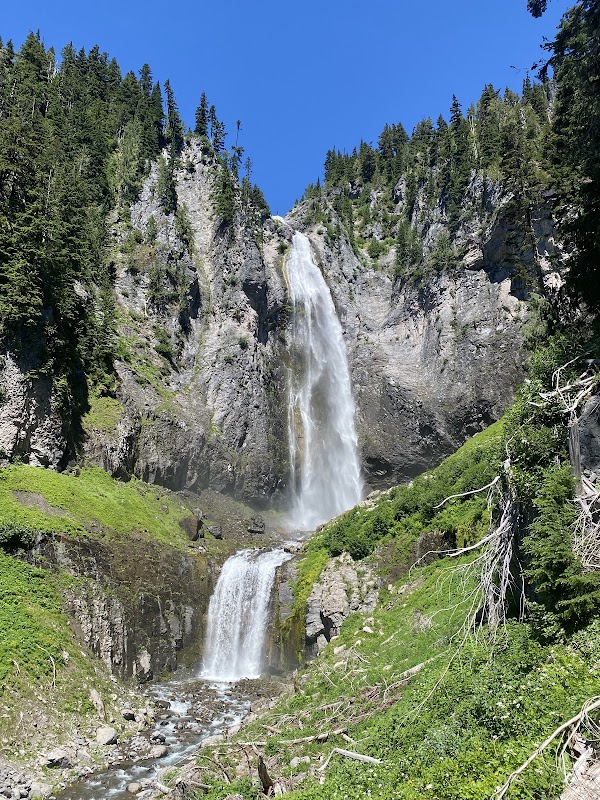
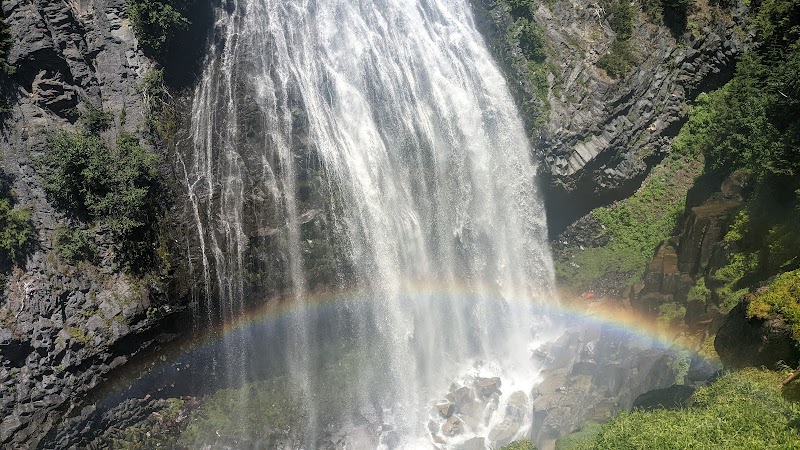
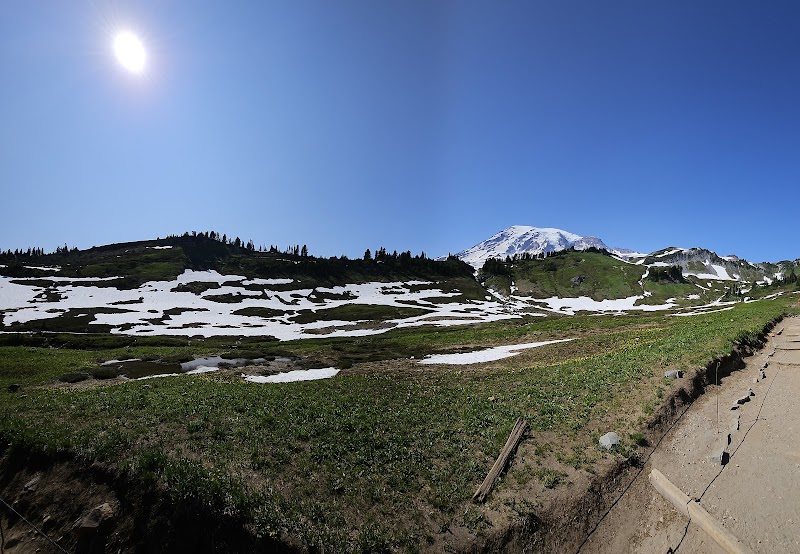
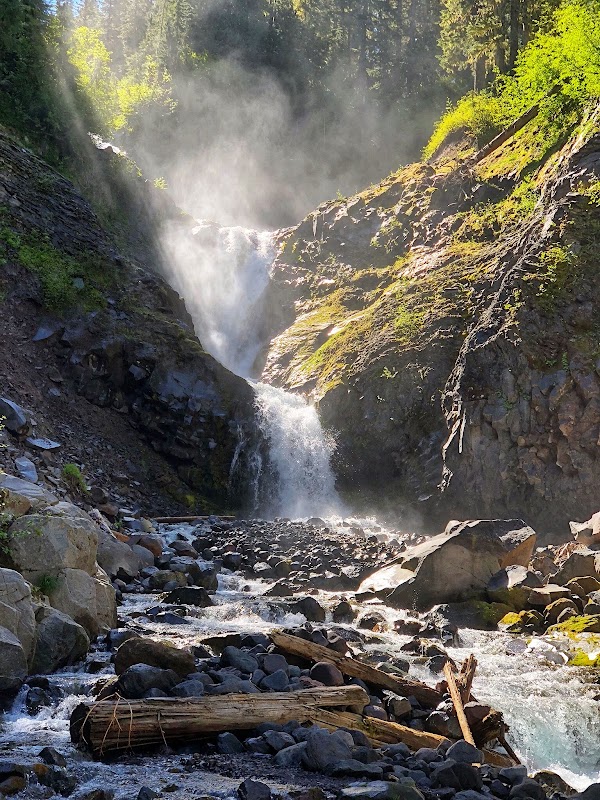
Comet Falls, located in the scenic Mount Rainier National Park region of Washington, is an awe-inspiring natural landmark known for its stunning waterfall cascading down over 300 feet. This majestic waterfall gets its name from the powerful, comet-like spray that fills the air as it tumbles over the rugged, rocky cliff. Set against a backdrop of lush evergreens and rugged terrain, Comet Falls is one of the park's tallest and most captivating waterfalls.
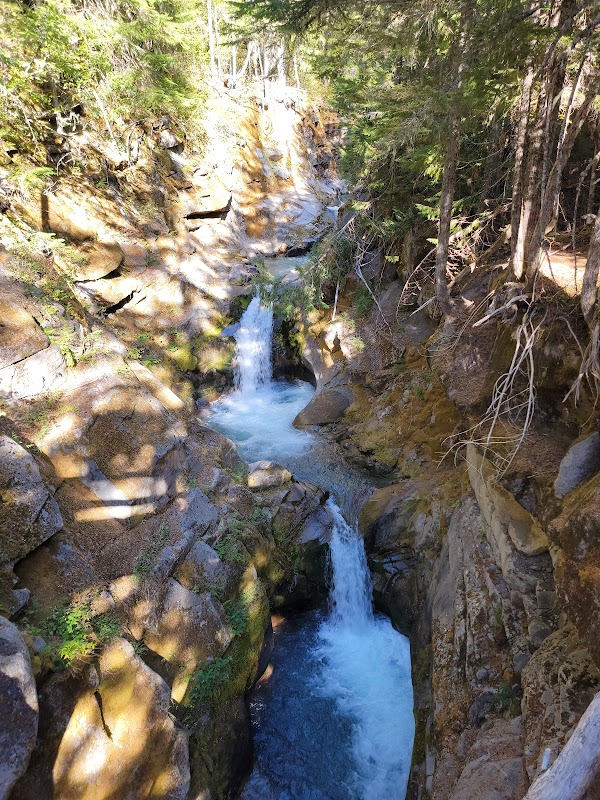
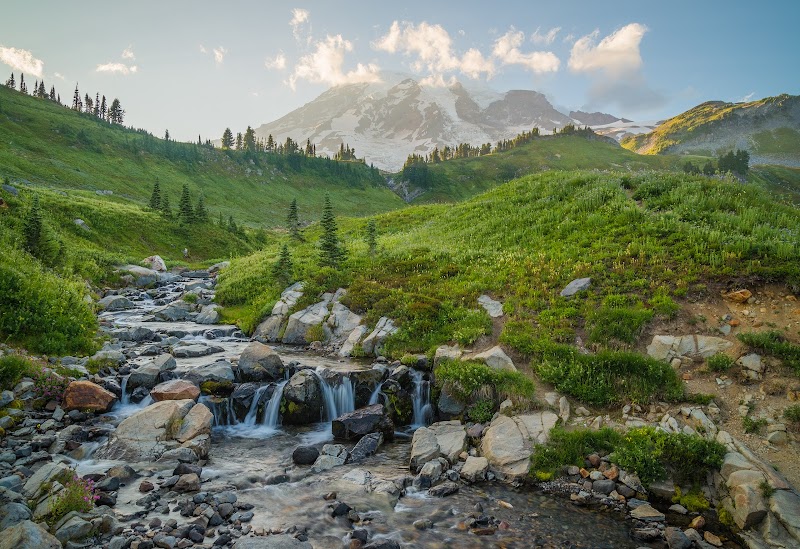
The approach to the falls is just as mesmerizing, as visitors hike through dense forests filled with the aroma of pine and the sound of rushing water. Along the trail, hikers encounter multiple smaller cascades, each adding to the anticipation before reaching the main event. The area is abundant with various flora and fauna, including vibrant wildflowers, curious squirrels, and the occasional deer.
Historically, the trail and the falls have attracted both locals and travelers drawn to the raw, unspoiled beauty of the Pacific Northwest. Comet Falls is not just a beautiful spot but also a testament to the region's natural history and geological evolution, offering visitors an immersive outdoor experience that is both refreshing and exhilarating.
Adventure Guide
Adventure Guide to Comet Falls
1. Hiking the Comet Falls Trail
- Location: Mount Rainier National Park
- Special Features: A moderately challenging hike, approximately 3.8 miles round trip, providing spectacular views of the waterfall and smaller cascades.
- Tips: Best visited in late spring through early fall. Bring hiking boots, water, and a camera.
- Directions: From Seattle, drive south on I-5, then SR 7 and SR 706 towards the park, approximately 2.5 hours.
2. Bird Watching Along the Trail
- Special Features: The trail is home to diverse bird species, including Clark’s nutcracker and varied thrush.
- Tips: Early mornings are best for bird watching. Bring binoculars and a field guide to Pacific Northwest birds.
3. Photography Opportunities
- Special Features: Capture breathtaking views of the waterfall and surrounding forest.
- Tips: Late afternoon offers the best lighting. Tripod recommended for long exposure shots.
Local Insights
- Cultural Tips: The falls is a sacred site for indigenous tribes, respected for its natural beauty and power.
Visitor Tips
- What to Bring: Layered clothing, snacks, binoculars for wildlife, and a rain jacket as weather can change rapidly.
- Safety Tip: Stay on marked trails to preserve the landscape and ensure safety.
Visitor Tips
- Best Times:Late Spring to Early Fall for favorable conditions and optimal lighting.
- What to Bring:Plenty of water, sun protection, a camera, and respectful Leave-No-Trace mindset.