About this landmark
Majestic Mount Hood National Forest near Sandy, Oregon
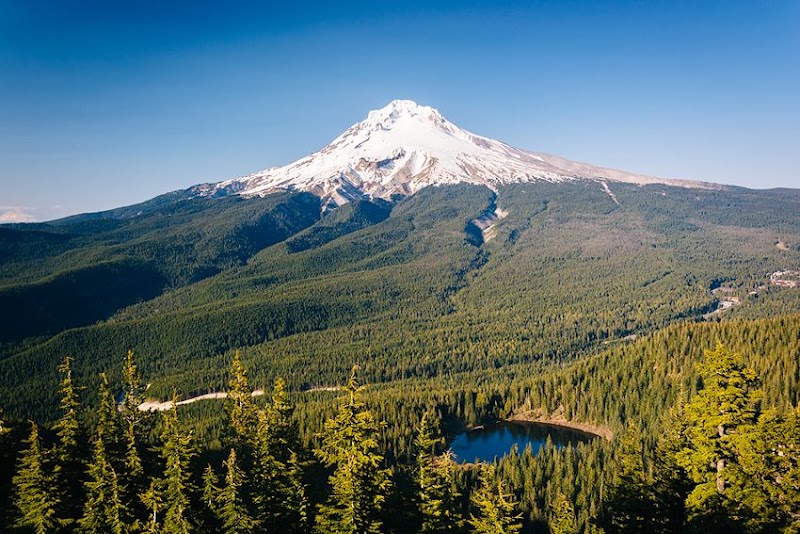
Mount Hood National Forest, located close to the charming town of Sandy in northern Oregon, offers a striking outdoor experience in the Pacific Northwest. Dominated by Mount Hood itself, an active stratovolcano rising to 11,240 feet, the forest is the highest peak in Oregon and a defining landmark for this region. Stretching across over one million acres, the forest boasts dense woodlands of towering Douglas firs and western red cedars, sparkling alpine lakes, and flowing rivers that create dynamic landscapes year-round.
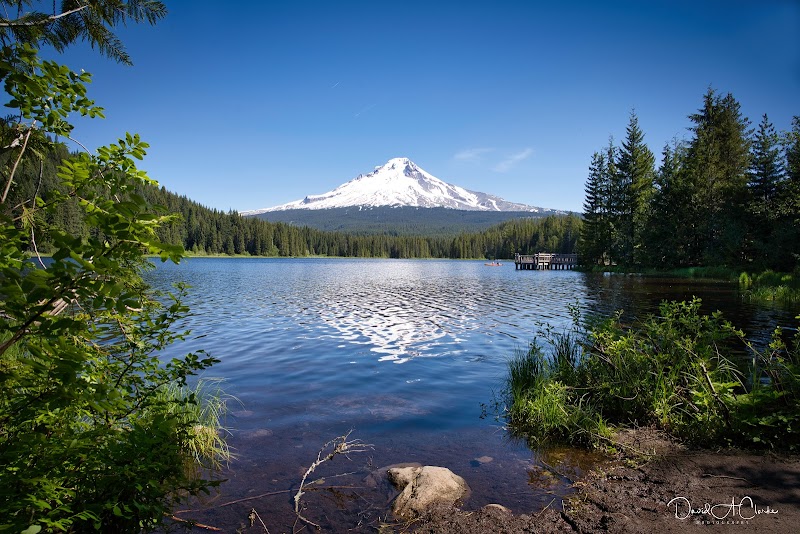
Visitors to this national forest will appreciate the variety of natural features, including swift waterfalls, serene lakes such as Trillium Lake, and diverse hiking trails like the famed Timberline Trail, which loops around the mountain and provides spectacular glacier views. The geology of the area includes volcanic rock formations and glaciers that sculpt the scenery, contributing to the forest’s rugged charm. Wildlife is plentiful, and seasonal wildflowers bring bursts of color each summer.
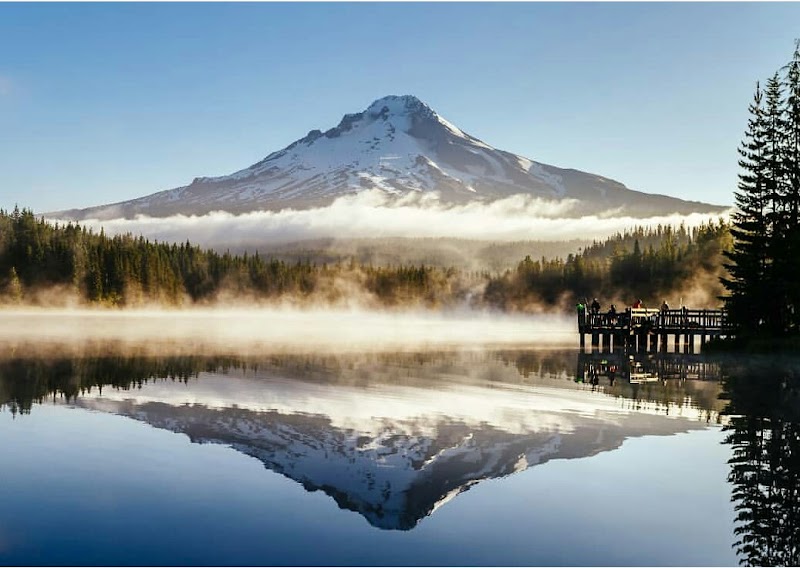
Historically, Mount Hood has served as a sacred site for local Native American tribes, adding cultural depth to its natural significance. First designated as a national forest in 1892, this area remains a favorite destination for local families and outdoor enthusiasts alike. Visitors value the forest not only for its physical beauty but also for the opportunity to reconnect with nature through hiking, camping, skiing, and fishing. Whether witnessing the mountain’s vibrant reflections on a lake or ascending a well-maintained trail, Mount Hood National Forest stands out as a treasured destination in Oregon’s outdoor landscape.
Adventure Guide To Mount Hood National Forest
Hiking the Timberline Trail
- What Makes It Special: This 40-mile loop circles Mount Hood, offering a mix of alpine meadows, volcanic terrain, and forested paths. The trail features impressive views of glaciers and waterfalls.
- Key Features: Frequent wildflower patches, rugged volcanic rock sections, and river crossings.
- Local Insights: The trail is well-loved by backpackers for its challenging yet rewarding route. Early arrival is recommended to secure parking permits, especially in summer.
- Visitor Tips: Best hiked between July and October. Bring layered clothing, sturdy boots, and plenty of water.
Skiing at Mount Hood Meadows
- What Makes It Special: With over 2,150 skiable acres, this resort suits all levels, from beginners to experts, featuring groomed slopes and snow parks.
- Key Features: Modern lift systems, a ski school, and rentals available onsite.
- Local Insights: It’s one of the longest ski seasons in North America, with snow often lasting into July at higher elevations.
- Visitor Tips: Visit December through February for optimal snow. Dress in waterproof layers and don’t forget sunscreen.
Fishing and Relaxing at Trillium Lake
- What Makes It Special: This lake is ideal for fishing, boating, or simply relaxing by the water with stunning views of Mount Hood mirrored on the surface.
- Key Features: Picnic areas, boat rentals, and accessible trails around the lake.
- Local Insights: It’s a family-friendly spot popular for summer weekends and camping.
- Visitor Tips: Summer visits are best. Pack a fishing rod, sunscreen, and a picnic. Parking fills up early, so plan to arrive at opening.
Getting There: Mount Hood National Forest lies about 40 miles east of Portland, roughly a one-hour drive via US-26 East. From Sandy, local roads lead directly into trailheads and recreation sites.
Safety Reminder: Weather can change rapidly in the mountains. Carry a map, check trail conditions ahead, and be prepared for varying temperatures. Pets are welcome but must be leashed in most areas.
Visitor Tips
- Best Times:Summer for favorable conditions and optimal lighting.
- What to Bring:Plenty of water, sun protection, a camera, and respectful Leave-No-Trace mindset.